
Last updated November 16, 2026
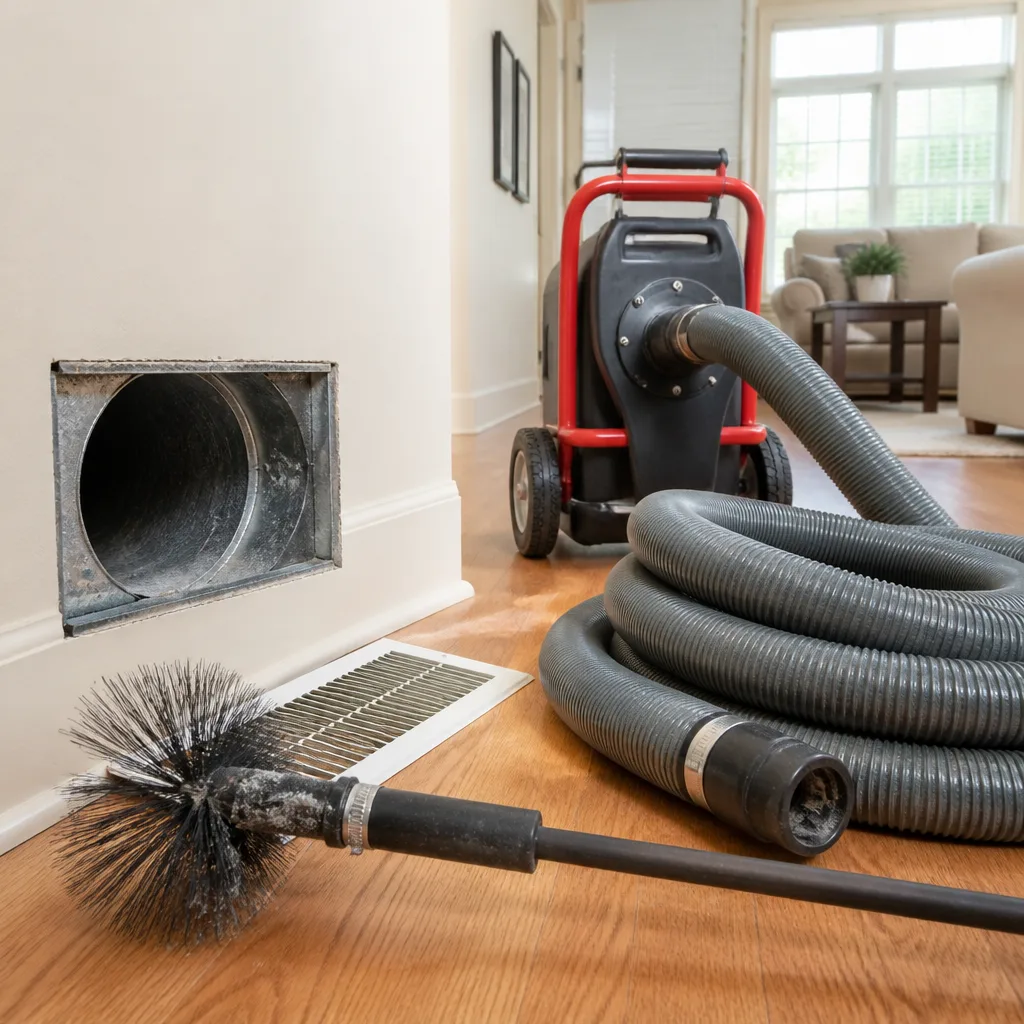 Whole-home duct cleaning
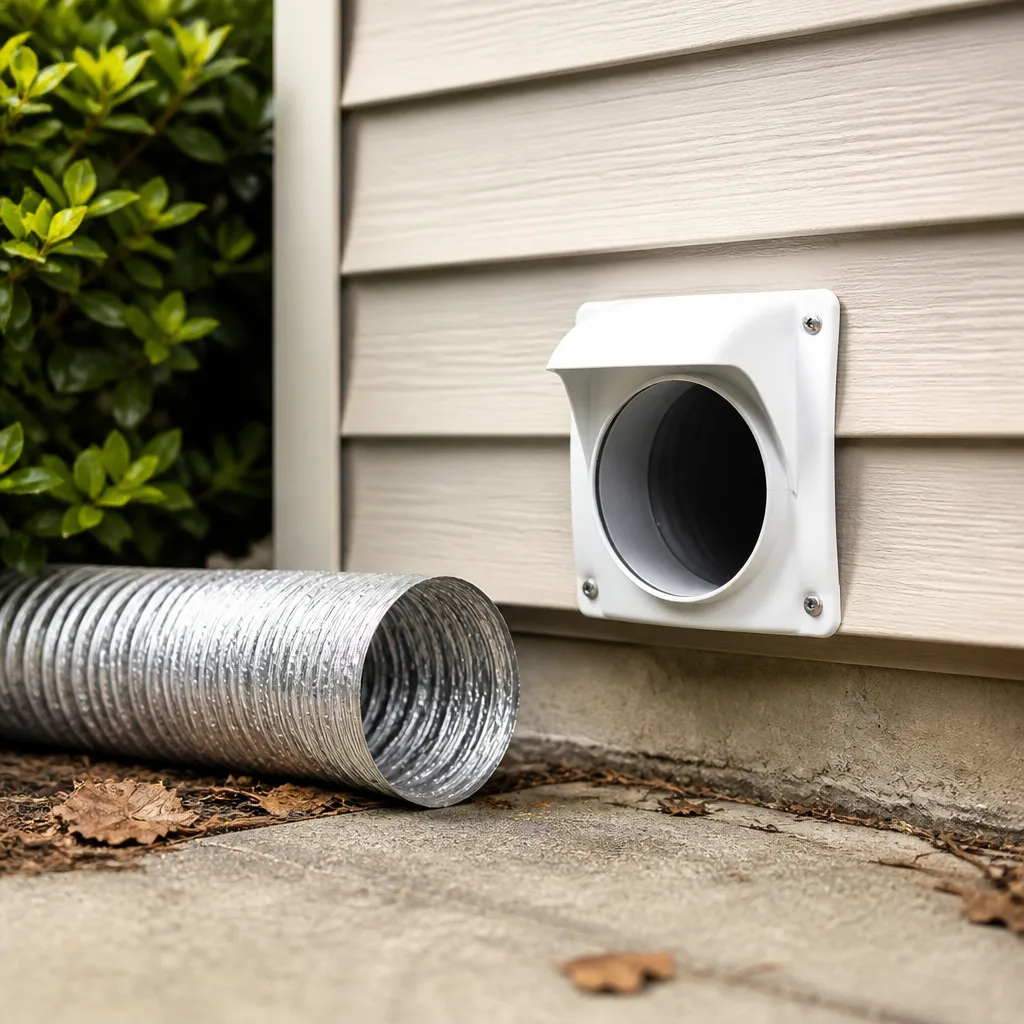 Dryer vent cleaning
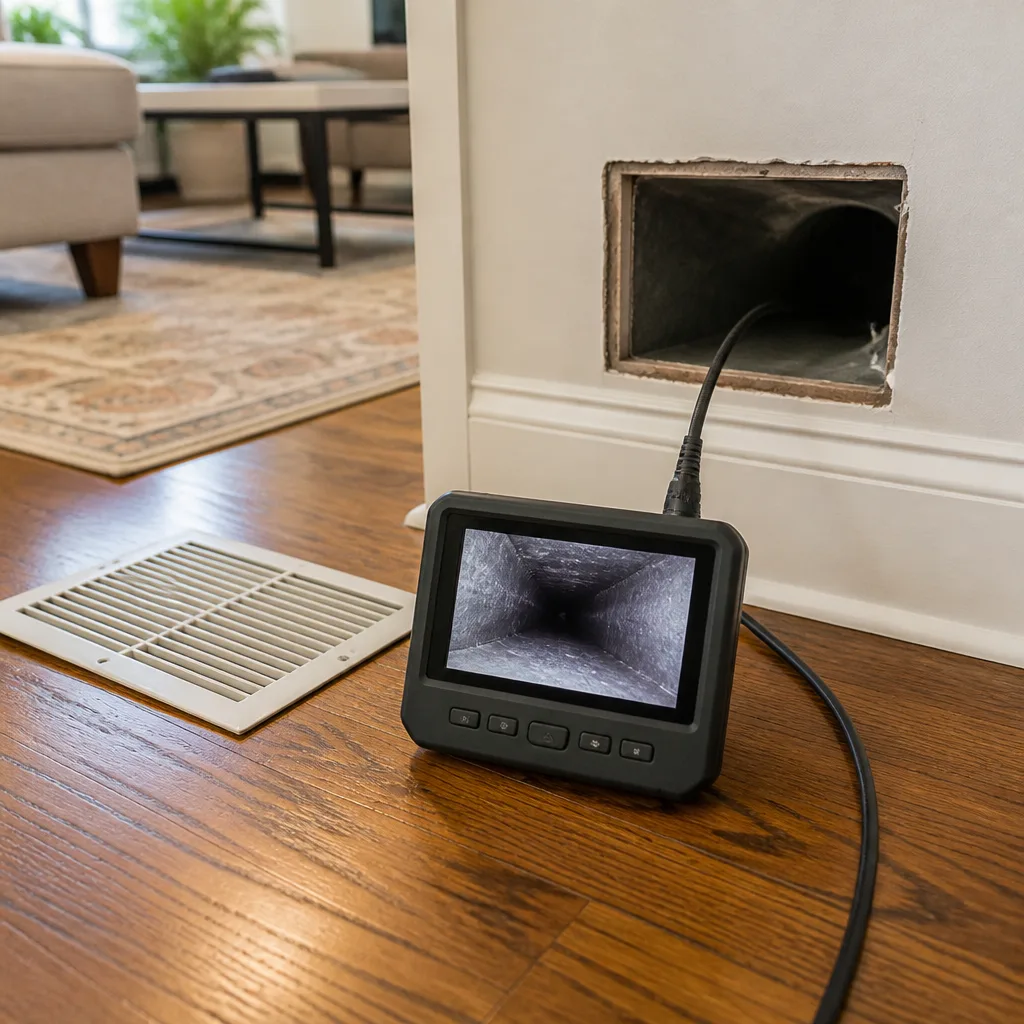 Camera inspection
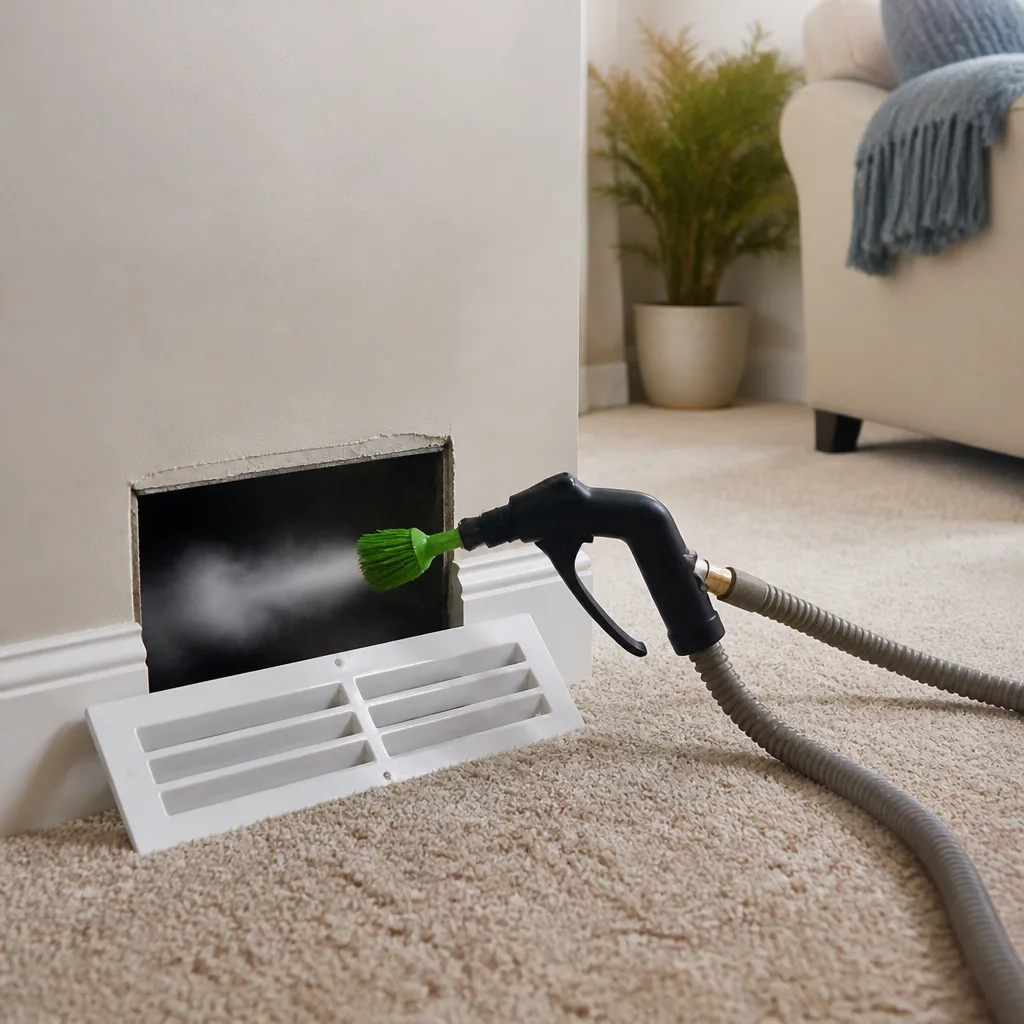 Sanitizing & deodorizing
Whole-system duct and dryer vent check with before-and-after photos - you see exactly what came out of your vents
That "$99 whole-house special" is a bait ad - the real number appears once they are in your hallway, or the "clean" is a shop-vac at the register. We photograph the inside of your ducts before and after instead.
Air Duct Cleaning Permits, Codes & Inspections in Greensboro, NC: What You Need to Know
Here’s the part most homeowners miss: the duct cleaning itself is the easy legal question. The cleaning is maintenance, and maintenance doesn’t need a permit. But the moment a technician seals a disconnected duct section, replaces a crushed flex run, or reworks a trunk line, the project stops being maintenance and becomes regulated mechanical work. That line gets crossed quietly, often without the homeowner ever knowing, and it can surface years later during a sale, a refinance, or an insurance claim. This guide maps the actual framework in plain language: where cleaning ends, where mechanical code begins, how Guilford County permitting works for duct work, what “code compliant” really means for flex duct, and what your liability exposure looks like in Greensboro when someone does the work without a permit.
Quick Answer
In North Carolina, routine air duct cleaning does not require a permit because it counts as maintenance, not construction. But any repair, alteration, or replacement of ductwork is mechanical work under the NC Mechanical Code and generally requires a permit through Guilford County before the work starts. If your contractor modifies a duct run, ask for the permit record and a written description of what changed. If they only cleaned, you don’t need one.
Styles & brands we work with
- Whole-home duct cleaning
- Dryer vent cleaning
- Camera inspection
- Sanitizing & deodorizing
Table of Contents
- Cleaning vs. Repair: Where the Permit Line Sits
- How Guilford County Permitting Works for Mechanical Work
- What Documentation to Ask a Contractor For
- Duct Sealing in Crawlspaces and Attics: When Scope Changes the Rules
- What Code-Compliant Flex Duct Installation Actually Means
- Your Liability When Work Is Done Without a Permit
- What a Mechanical Inspection Looks At
- Common Mistakes to Avoid
Cleaning vs. Repair: Where the Permit Line Sits
The NC Mechanical Code draws a clean distinction. Maintenance that keeps a system operating the way it was approved does not need a permit. Anything that changes the system, adds to it, or restores a failed component to function generally does. The trick is that the two categories look almost identical from the outside. Both involve a technician, a hose, and a truck. The difference is whether the scope touches the physical duct system or just the interior of it.
Here’s how the split usually plays out on a real job:
- No permit needed. Source removal cleaning with negative pressure and rotary agitation, sanitizing the interior of the duct, sealing small surface leaks with mastic, and replacing a floor register or diffuser.
- Permit generally required. Replacing a section of flex duct, reconnecting a boot that has pulled free of the plenum, resizing a run, adding a supply, rerouting a duct that’s crushed in a joist bay, or replacing the whole trunk line feeder.
- Depends on scope. Re-taping and re-masticating existing joints at a defined length of run, or repairing insulation wrap on a duct that is otherwise intact, usually falls under maintenance. Sealing a system from plenum to boot as a full enclosure project is a repair in most jurisdictions.
Here in Greensboro, the crossover happens often on older homes where the flex has been crushed under attic decking or the boot has come loose from the register. A cleaner who notices that and fixes it on the spot has done mechanical work. That repair is often exactly what the home needed. Whether it was permitted is a different question, and it’s the one that matters when the work is inspected later.
The way to protect yourself is simple. Before work begins, ask the contractor to describe in writing whether the job is cleaning only or cleaning plus repair. If it includes repair, ask who pulls the permit and when. A professional contractor will answer without hesitation. Our team can handle either scope on an air duct cleaning visit, and we can tell you upfront which category the work falls into so you’re making the decision with the facts.
How Guilford County Permitting Works for Mechanical Work
Guilford County administers building, electrical, plumbing and mechanical permits for construction within its jurisdiction. For mechanical work, that includes any duct alteration that changes the system’s layout, capacity, or approved configuration. The permit application is usually filed by the licensed mechanical contractor doing the work, not by the homeowner, but the homeowner is the one named on the record. That matters more than it sounds: the permit holder is the party responsible for the final inspection being passed.
The sequence that a properly permitted duct repair follows looks like this:
- Contractor files the permit. The application describes the scope: what’s being replaced, the run length, the material, and where it sits in the home.
- Permit is issued. Work can begin once the permit is active. Starting before it’s issued is a violation, even if the work is later done correctly.
- Rough-in inspection. An inspector looks at the duct installation before it’s closed behind access panels, decking, or insulation.
- Final inspection. After the system is back in service, the inspector verifies it’s complete, sealed, and functioning as approved.
What this means for a Greensboro homeowner is that a repair you didn’t know was happening can have a paper trail you didn’t know existed. Or, in the more common scenario, the work didn’t have a permit and now there’s no record it was done by a licensed mechanical contractor at all. If you’re staring at a repair from another contractor and wondering where it stands, you can pull the permit history on your address through Guilford County before you make decisions about who fixes it next.
A clean, permitted mechanical job is not a red-tape burden here. It’s the difference between a sale moving through and a buyer’s inspector flagging a duct system as a question mark.
What Documentation to Ask a Contractor For
If a contractor is telling you they need to pull a permit, they should be able to produce a few things without a fight. If they can’t, that’s your signal. This applies to any duct work in a Greensboro home, whether that’s a small flex run replacement or a full trunk rework, and to any company you’re considering for duct cleaning if there’s a chance the visit will turn into repair.
Ask for these, in this order:
- Their NC mechanical license. A licensed mechanical contractor can pull the permit and is accountable for the work. If you’re told a license isn’t needed because it’s “just duct,” get that in writing or walk away.
- The permit record. Either the number with a copy of the application, or a screenshot of the county record once issued.
- A written scope of work. One page is enough. It should list what’s being removed, what’s being installed, and the approximate lengths of run being affected.
- A certificate of insurance. General liability at minimum. If they do mechanical work, their insurer backs up their work and yours.
- Before and after photos of the ducts. Not a marketing stock image. Their own photos of your ducts. This is standard for a professional cleaning job and is what you want on file if the work is ever questioned.
A company that routinely does this without prompting is the one you want. Our team provides written scopes and photos on duct cleaning in Greensboro because the request is reasonable and the record is worth having. A company that pushes back on those requests has told you something you should listen to.
Duct Sealing in Crawlspaces and Attics: When Scope Changes the Rules
Sealing duct leaks with mastic or metal tape is one of the most common “while we’re here” tasks in a Greensboro home. It reduces energy loss, helps your HVAC keep up in a humid Carolina summer, and cuts down on dust pulling in from unconditioned space. What homeowners rarely hear is that the sealing itself sometimes changes the permit picture. A joint here or a loose boot there is maintenance. A full-system enclosure project, particularly when it’s paired with a duct alteration in a conditioned crawlspace, can trigger a separate inspection requirement under the mechanical code depending on scope.
Two patterns we see often in Greensboro:
- Attic systems. Flex runs that have sagged, lost insulation wrap, or been crushed by decking added by a previous owner. Sealing is part of the repair there, and the repair is what’s permitted. Attic heat load in the summer is brutal on foil-faced flex, so the joints are the weak link.
- Conditioned crawlspaces. A crawlspace that’s been encapsulated and conditioned becomes part of the building envelope. Duct sealing there often involves sealing the whole system back together, and the scope tends to be larger than it looks. This is where the “is this maintenance or alteration” question actually gets decided.
The practical advice: when the contractor describes the sealing, ask how many feet of run are affected and whether any duct is being removed, replaced, or resized. If nothing is being replaced, you’re almost certainly in maintenance territory. If a section is coming out and going back in, ask who pulls the permit. And if the work is happening in a crawlspace that has been encapsulated or conditioned, ask the contractor to confirm with Guilford County whether the scope triggers a mechanical inspection.
We handle both cleaning and air duct repair on the same visit when needed, and we tell homeowners plainly which part of a job is maintenance and which part is mechanical work. The conversation is worth having before the tools come out, not after.
What Code-Compliant Flex Duct Installation Actually Means
Flex duct gets a bad reputation, and most of it is earned. Not because the material is bad, but because it’s easy to install badly. Under the mechanical code, a flex duct run has specific limits that a compliant installer respects: maximum length of run, minimum support spacing, and a limit on the number of bends that a single run can accommodate. When any one of those is violated, the run works against itself. It loses airflow, it collects condensation, and it can pull dust in at every joint.
The features of a compliant flex installation come down to these:
- Run length within the limit. Runs are kept as short and direct as the layout allows. A long, winding run loses more static pressure than the system can afford.
- Supported every few feet. Flex is supported at regular intervals with material that does not crush the duct’s inner liner. Nylon strapping is standard; wire, plumbing strap, and gravity are not.
- Bends that respect the radius. Every bend adds resistance. A tight 90 with the inner liner pinched is a bad installation. A gentle radius is what the code and the equipment manufacturer both expect.
- Fully extended, not compressed. A flex duct stretched tight at installation will not sag later. A compressed accordion tube is one of the most common problems we find.
- Sag minimized. Ducts installed without adequate support across a span will sag over time, pooling condensation and reducing airflow at the register.
- Sealed at every connection. Flex-to-boot, flex-to-plenum, and flex-to-wye joints need mastic or a code-approved tape, not a wrap of consumer duct tape that dries out in a few summers.
Spotting violations in your own system is easier than it sounds. In an attic with lighting, or a crawlspace with a flashlight, look for sagging runs, ducts resting on the joists without straps, bends pinched to 90 degrees or tighter, and joints held together by gray cloth tape. Any of those means the installation was not code compliant when it happened, and the contractor who fixes it should be describing the repair as getting the system back in line with those rules, not just re-taping the joint.
This is where equipment quality shows up in the finished result. We use Rotobrush and Nikro systems because they’re purpose-built for this work: rotary agitation to clean the interior, HEPA-grade negative pressure to capture the debris, and controllable nozzles to work right up to the register boot without pulling the whole run down. If the ducts need more than cleaning, we can correct the flex installation at the same time. The full-system link runs from Duct Cleaning Greensboro straight into repair, because both live on the same visit.
Your Liability When Work Is Done Without a Permit
The permit is filed in the contractor’s name, but the property is in yours. That’s the part of the framework homeowners rarely hear stated plainly. If mechanical work was done in your Greensboro home without a permit, the county can require it to be corrected, inspected, or torn out and redone, and the cost of that correction sits with the property owner, not with whoever did the original work. The list of places this surfaces is short but painful:
- A home sale. A buyer’s inspector finds a recently replaced flex run with no permit on record. The sale is delayed until it’s fixed and inspected, or the buyer negotiates the cost off the price, and you eat the difference.
- An insurance claim. A water or fire loss that can be tied to non-permitted mechanical work can complicate or deny a portion of the claim. Insurers care whether the work was done correctly and by whom.
- A refinance or appraisal. Some lenders flag mechanical work without permits during the appraisal review.
- A subsequent repair. The next contractor has to make the situation right before adding to it, which raises the cost of the correction.
Recourse against the contractor who did unpermitted work in NC is real but limited. You can file a complaint with the NC Licensing Board for General Contractors if the company was unlicensed, or with the mechanical licensing board if they held a license and pulled the work outside of it. You can also pursue civil action, but that costs money and time, and the property still has to be corrected regardless of what happens in the dispute. The faster path is to avoid the situation: ask for the permit before work starts, and ask for the inspection record when it’s done.
None of this is a reason to be suspicious of every contractor. It’s a reason to know exactly what you’re getting and when a permit is part of it. Call (833) 968-4577 if you want to walk through a specific situation first. We answer 24/7. Fast dispatch from 7am to 7pm, Sunday through Friday.
What a Mechanical Inspection Looks At
A mechanical inspection is not a duct cleanliness check, and it’s not a test of your indoor air quality. It’s a code compliance check on the installation itself. The inspector is confirming that what was installed matches what was permitted, that it was installed to the mechanical code requirements, and that it will operate safely once the system is back in service. For duct work, that comes down to a handful of things.
- Scope matches the permit. The work as performed matches the scope of work on the application. Adding runs that weren’t on the permit is a fail.
- Materials and support. Duct material is code-approved, and it’s supported and sealed as required.
- Connections and transitions. Flex-to-metal, flex-to-boot, and flex-to-plenum transitions are sealed and mechanically secured.
- Clearances and access. Duct work doesn’t interfere with required clearances to other systems, and access panels are where they need to be.
- System operation. The equipment runs, airflow is verified, and the installation doesn’t create a backdraft or static pressure problem.
For most Greensboro homeowners, the inspection is the simple part. A licensed contractor has already corrected the installation before the inspector arrives. The piece homeowners do need to understand is what happens if it fails: the contractor is expected to make corrections and re-schedule, and the corrections are the contractor’s responsibility, not yours. If the corrections don’t happen and the inspection doesn’t eventually pass, the record on your address stays open, which is the situation the next owner will find.
If you’re unsure about the status of work done in your home, the county’s inspection record is public. It’s worth checking before you list the property or file a claim. And if the work that was done is duct work you now want to be cleaned, our team can clean it without pulling the system apart, which keeps the inspection record clean on your end. For Greensboro homeowners, that’s a real advantage of hiring a specialist that does cleaning and repair under one roof.
Common Mistakes to Avoid
- Assuming “no permit needed” covers the entire visit. Cleaning is not permitted. Repair is. If the technician finds a disconnected duct and reconnects it on the same visit, the job crossed the line, and the paperwork should reflect that. Ask upfront which category the work will fall into before the truck rolls.
- Accepting a verbal “we’ll take care of the permits” without a number. A contractor who pulls permits can produce the number and application copy. If they can’t, they’re not pulling it, and your property carries the record.
- Hiring an unlicensed contractor for duct repair to save money. The fix looks identical in the moment. What you lose is the permit record, any warranty backing, and the ability to hold anyone accountable if the repair fails. The savings disappear the first time a buyer’s inspector flags it.
- Treating duct sealing as a homeowner-grade task. Mastic and metal tape are not interchangeable with cloth duct tape. In a Greensboro attic, cloth tape fails quickly under peak summer heat, and the leak comes right back.
- Overlooking flex installation problems because the ducts were “recently installed.” Recent is not the same as compliant. Sagging runs, missing support, and pinched bends are common in work done in a hurry, and they show up as comfort complaints long before the homeowner realizes what happened.
- Not requesting before and after photos of your own ducts. Stock imagery is common. Your own before and after photos are the only record that the work was actually performed. Ask for them before the technician packs up.
- Letting a dryer vent slip into a “cleaning package” without a real inspection. A dryer vent is a fire risk, not a footnote. Ask whether the vent run is being inspected for lint buildup, correct material, and proper termination. That work is a separate service for us because it needs to be.
See the difference
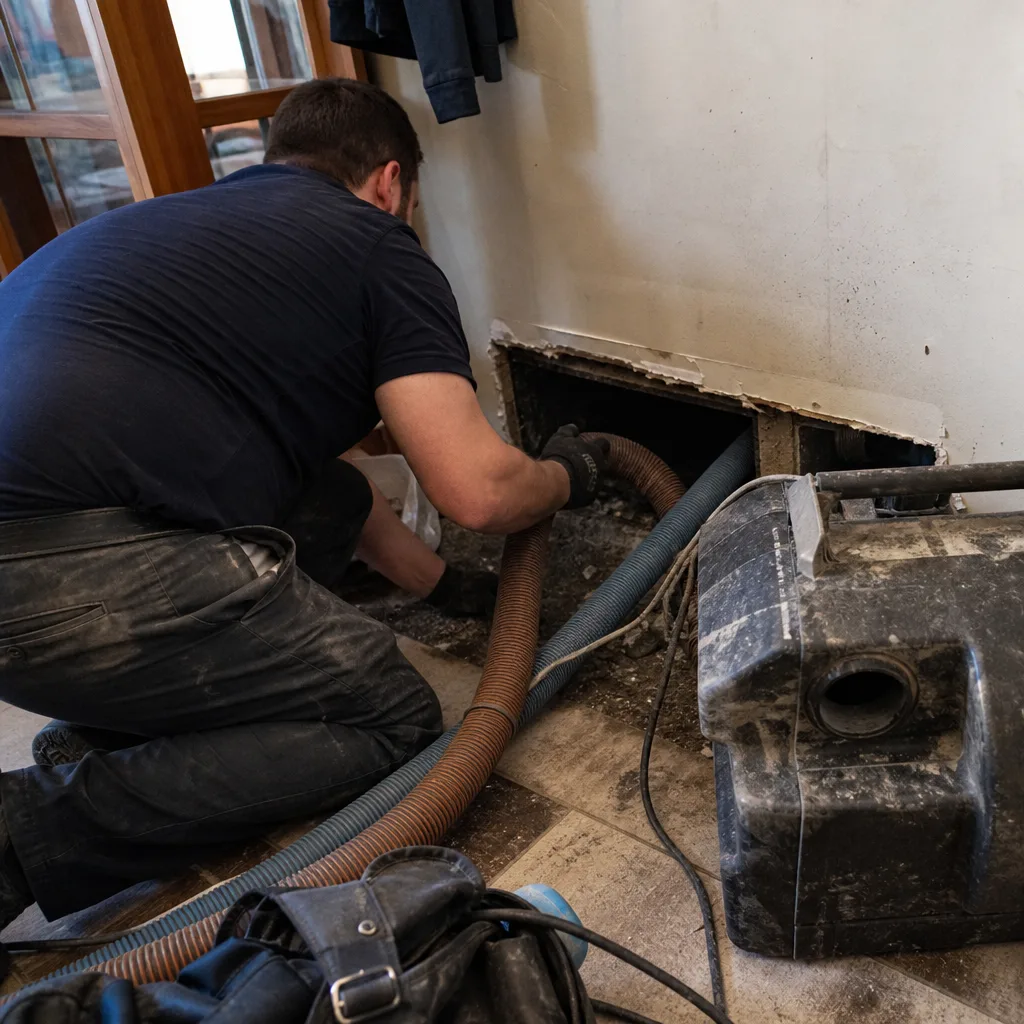 Before
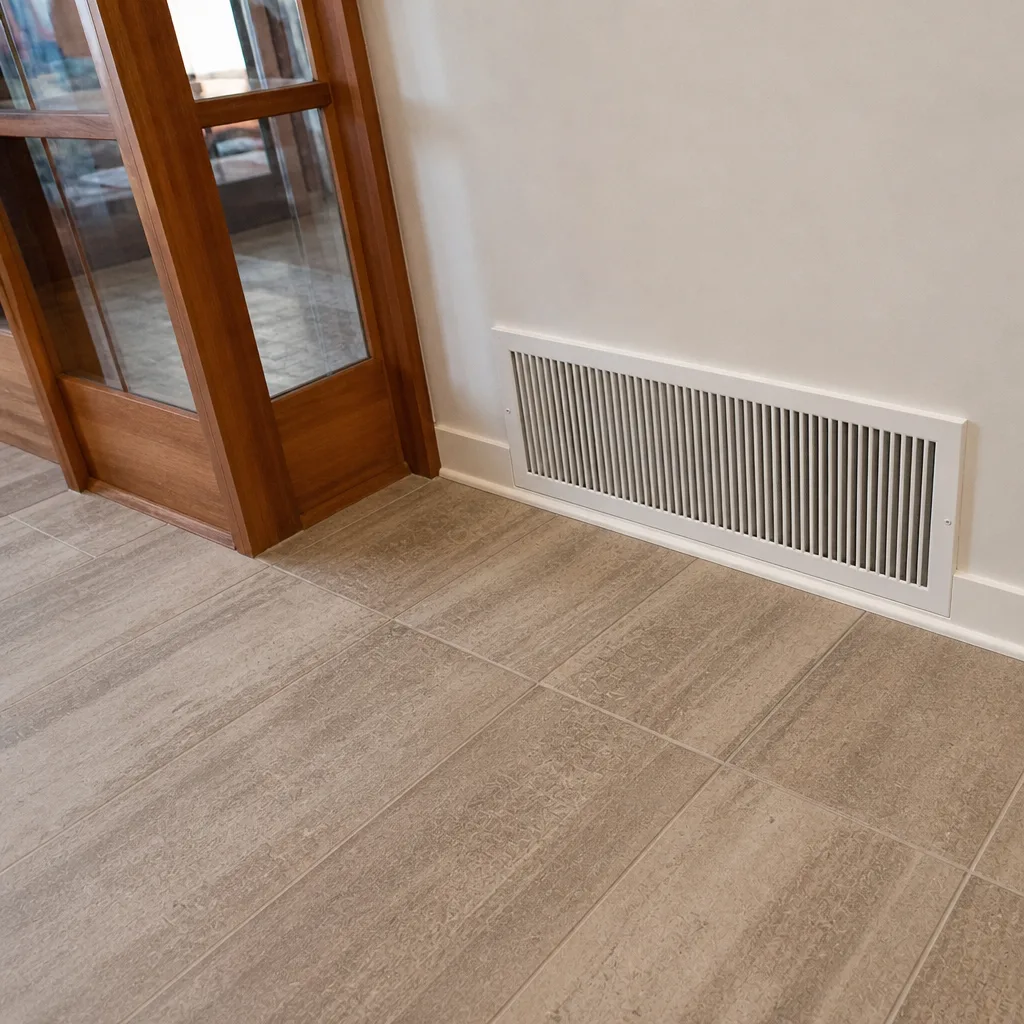 After
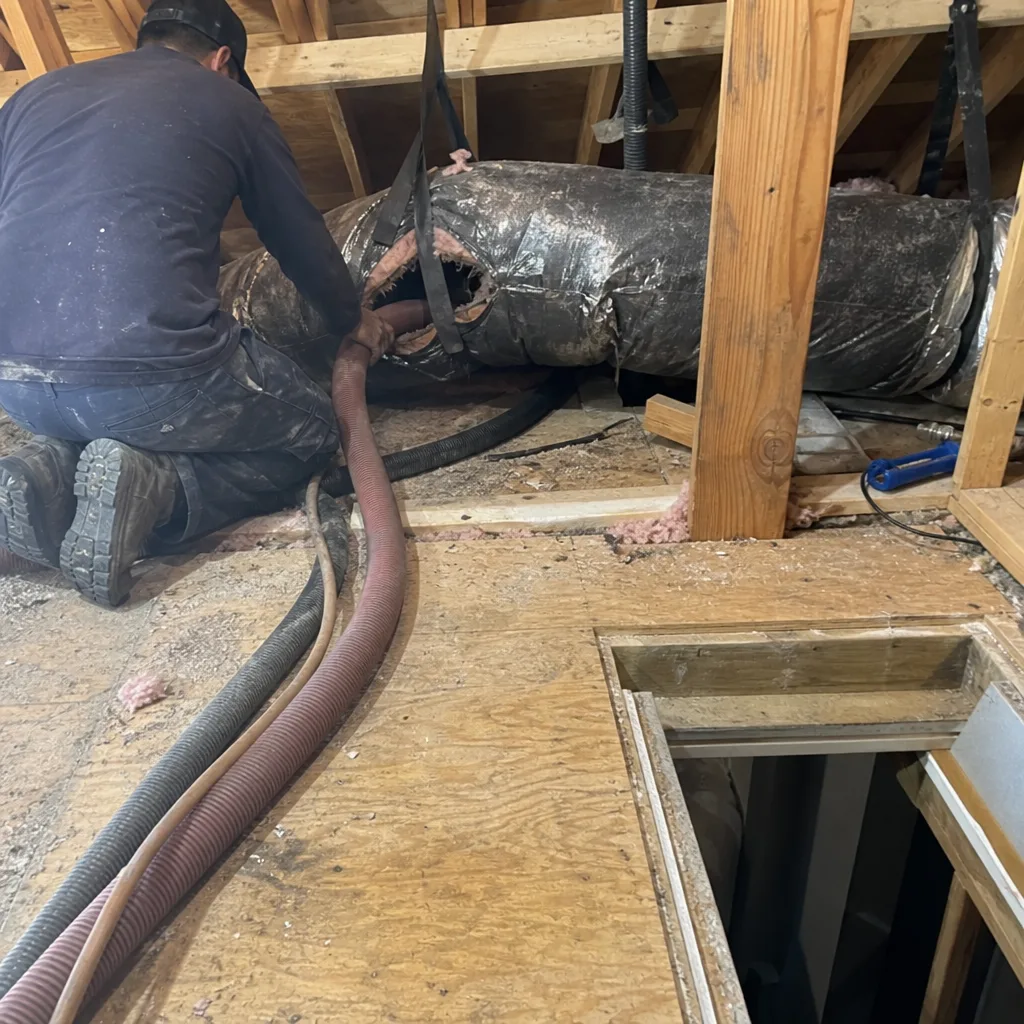 Before
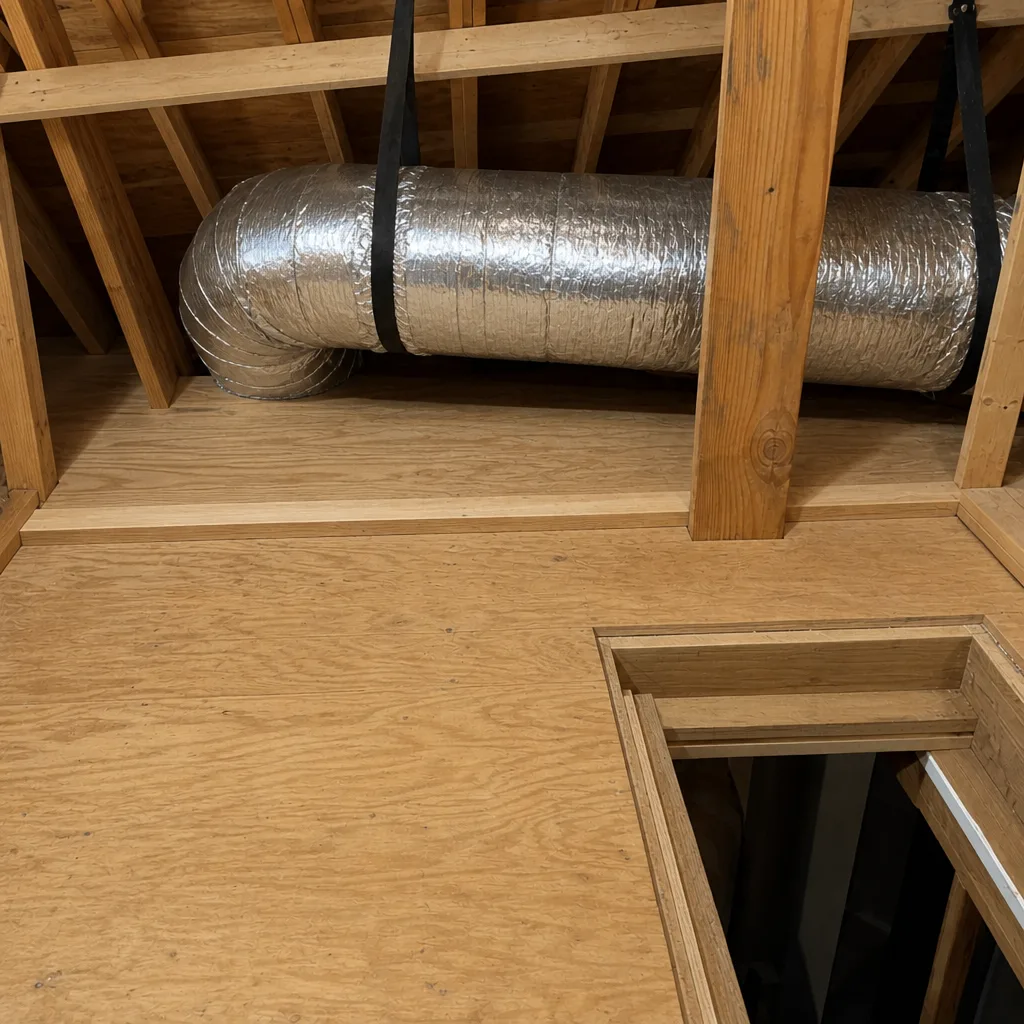 After
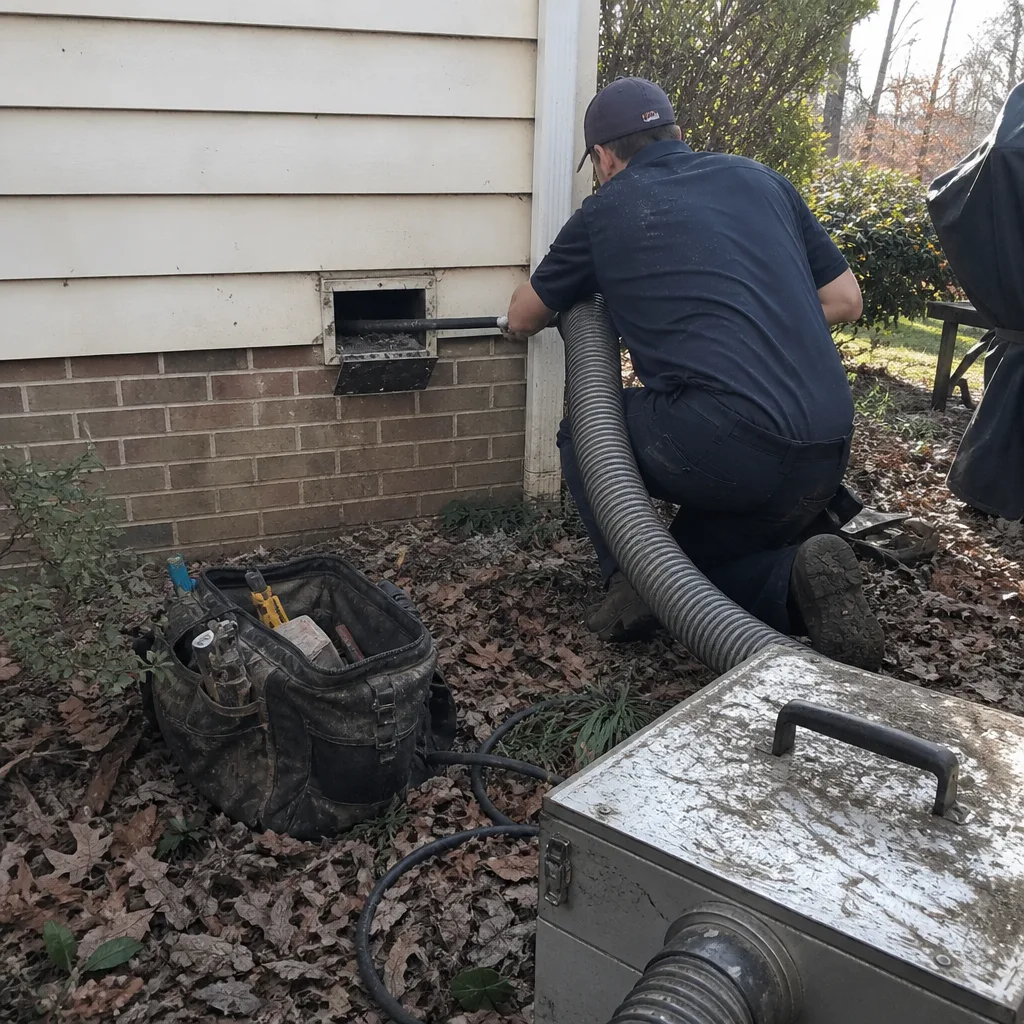 Before
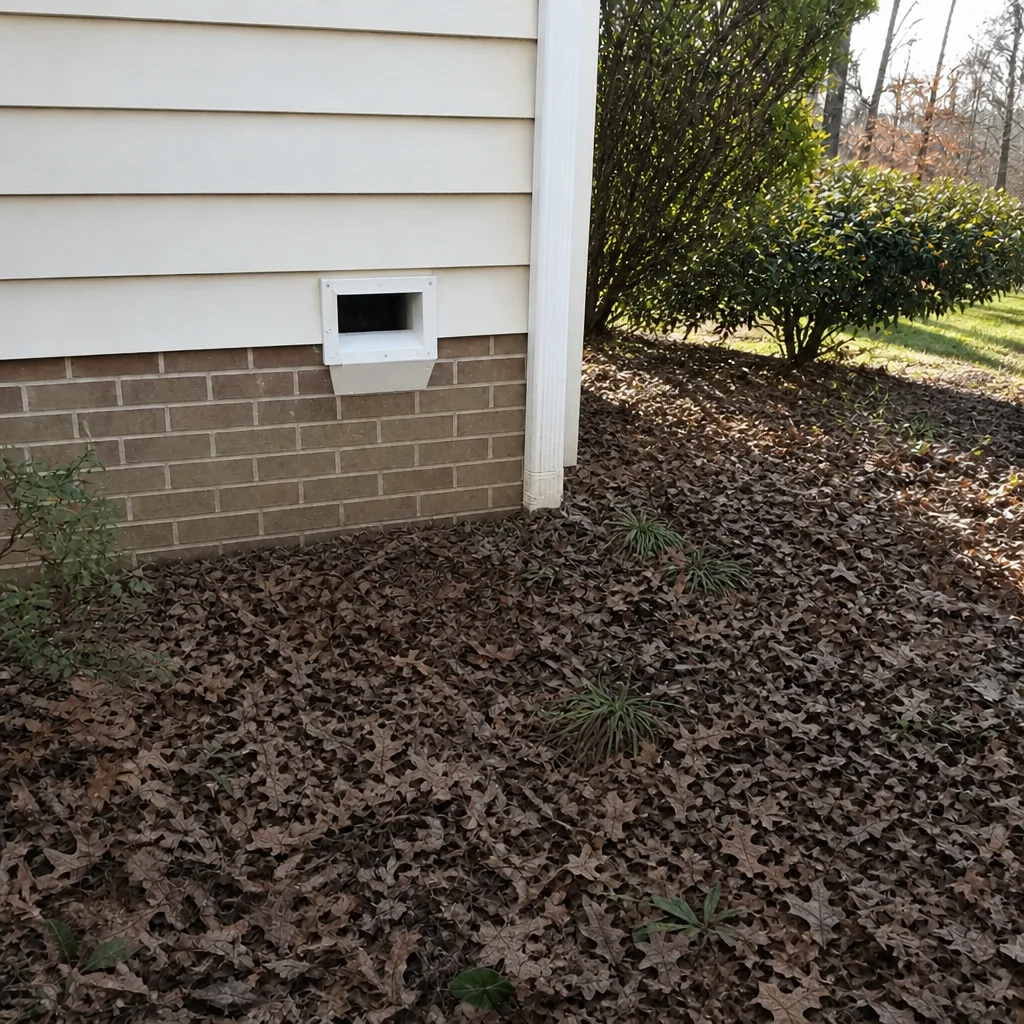 After
When to Call a Professional
Call a professional when you’ve got a repair in your hands, not just a cleaning. That means a duct that has visibly come apart at the boot or the plenum, a run that’s sagged or been crushed by decking, a system that hasn’t moved air properly since a recent HVAC install, or a dryer that’s taking two cycles to dry a load of towels because the vent is packed. Those aren’t cleaning calls. They’re mechanical and safety work, and they belong to a licensed contractor who knows the code picture and can produce the documentation. In Greensboro, the humidity matters here too: leaks and loose joints that would be a minor issue in dry climates become condensation and mold problems fast, and cleaning without addressing the leak is a temporary fix.
Our team handles the whole picture: professional-grade equipment on every job, cleaning, repair and dryer vent service under one roof, and an approach that treats the system as a system. If your ducts are clean but the run has a problem, we tell you. If the run is fine and the cleaning is the job, we do it and we leave the ducts sealed and protected, with Guardsman-grade finishing products extending the result. Duct Cleaning Greensboro offers free estimates in Greensboro. Call (833) 968-4577. We answer 24/7. Fast dispatch from 7am to 7pm, Sunday through Friday.
Frequently Asked Questions
No. Air duct cleaning is maintenance and does not require a mechanical permit in Greensboro or anywhere in North Carolina. A permit only enters the picture when the scope includes repair, alteration, or replacement of the duct system itself. Ask the contractor upfront whether they expect to touch the physical ducts or only clean them, and the answer tells you where you stand.
Usually yes. Replacing or altering ductwork is mechanical work under the NC Mechanical Code, and Guilford County requires a permit for that work before it starts. Small repairs that fall under maintenance may not require one, but the safe path is to ask the contractor to confirm with the county before the tools come out. A licensed contractor will know the answer and put it in writing. Call (833) 968-4577 for an exact quote on cleaning or repair, and we’ll walk you through the scope of your job before we schedule.
Check the county record for your address. Search the property’s permit history through Guilford County and look for mechanical permits issued around the time the work was done. If there’s no record and the ducts were clearly recently modified, that’s evidence the work was unpermitted. Calling a licensed contractor to inspect the installation and confirm the code compliance of the flex runs, support, and joints is the next step.
The sale is typically delayed until the work is permitted and inspected, or the buyer negotiates a credit. The correction cost generally falls on the seller, because the record is attached to the property. The fastest resolution is to hire a licensed mechanical contractor to bring the installation into code and pull the permit on the correction before the closing date. In practice, the fix usually takes one permitted repair rather than a full system rebuild.
Sealing is usually maintenance when it’s re-masticating existing joints at defined points. It generally becomes mechanical work when the scope grows to a full-system enclosure project, particularly in a conditioned crawlspace, or when it’s paired with duct alteration. In Greensboro, the crawlspace question comes up often because encapsulation is common. The honest answer is that it depends on the scope, and the contractor should confirm with the county before starting.
A single flex run replacement in a Greensboro home typically falls in the $250 – $650 range for the repair itself, and a multi-run rework or plenum repair can run higher depending on attic access and how much ducting is being replaced. Permitting and inspection is a separate line on the estimate. The written estimate sets the final price, and the number should be one flat price for the scope, not a per-foot or per-vent figure. Call (833) 968-4577 for an exact quote. Estimates are free.
Look for a company that separates cleaning from repair clearly, uses professional-grade equipment like Rotobrush and Nikro rather than shop vacs, provides before and after photos of your own ducts, and can produce a written scope for any repair it recommends. Our dryer vent cleaning is a dedicated service rather than an add-on for the same reason: the work that matters most needs to be treated as its own job. We also work around Honeywell and Aprilaire air quality and filtration components on the systems we clean, which matters when the ducts and the equipment need to be considered together.
Cleaning removes debris from inside the duct system and does not change its configuration. Repair changes or restores physical components: replacing a duct, reconnecting a boot, resizing a run, or correcting a non-compliant installation. Only repair falls under the mechanical permit and inspection framework. Both usually happen on the same visit, and the split between them is what the documentation is for.
The Bottom Line
Duct cleaning in Greensboro does not require a permit. Duct repair almost always does. The distinction lives in the scope, not in the label on the invoice, and it matters most when a home sale, refinance, or insurance claim forces the record into the open. Ask the contractor upfront which scope they’re proposing, request the permit record before work starts if repair is involved, and ask for before and after photos of your own ducts. Then look at the installation quality, not just the price. A code-compliant flex run that’s supported, sealed, and correctly tensioned is worth more to your system than any other part of the visit. If you’re unsure where your job sits or you need a duct repair done right with the permits in place, call (833) 968-4577 for a free estimate.
Written by the team at Duct Cleaning Greensboro.