
Last updated November 16, 2026
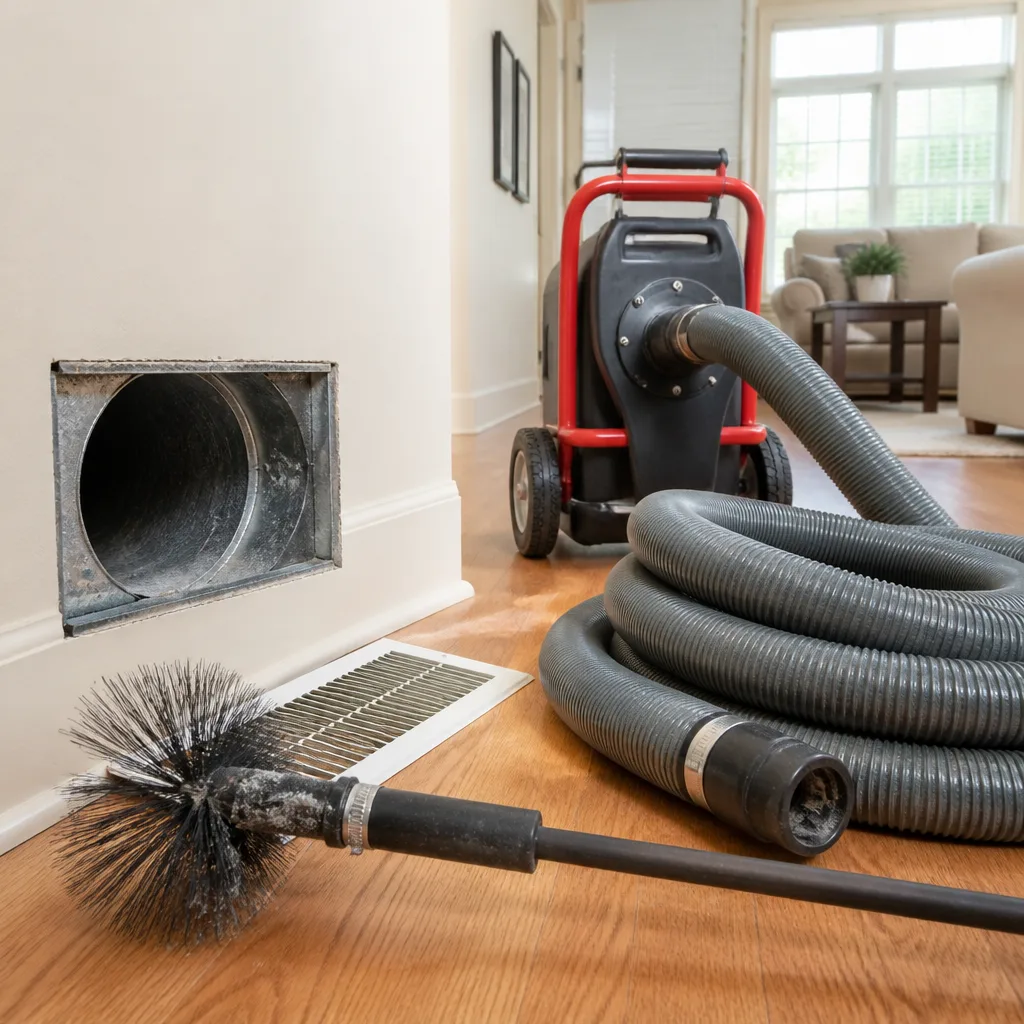 Whole-home duct cleaning
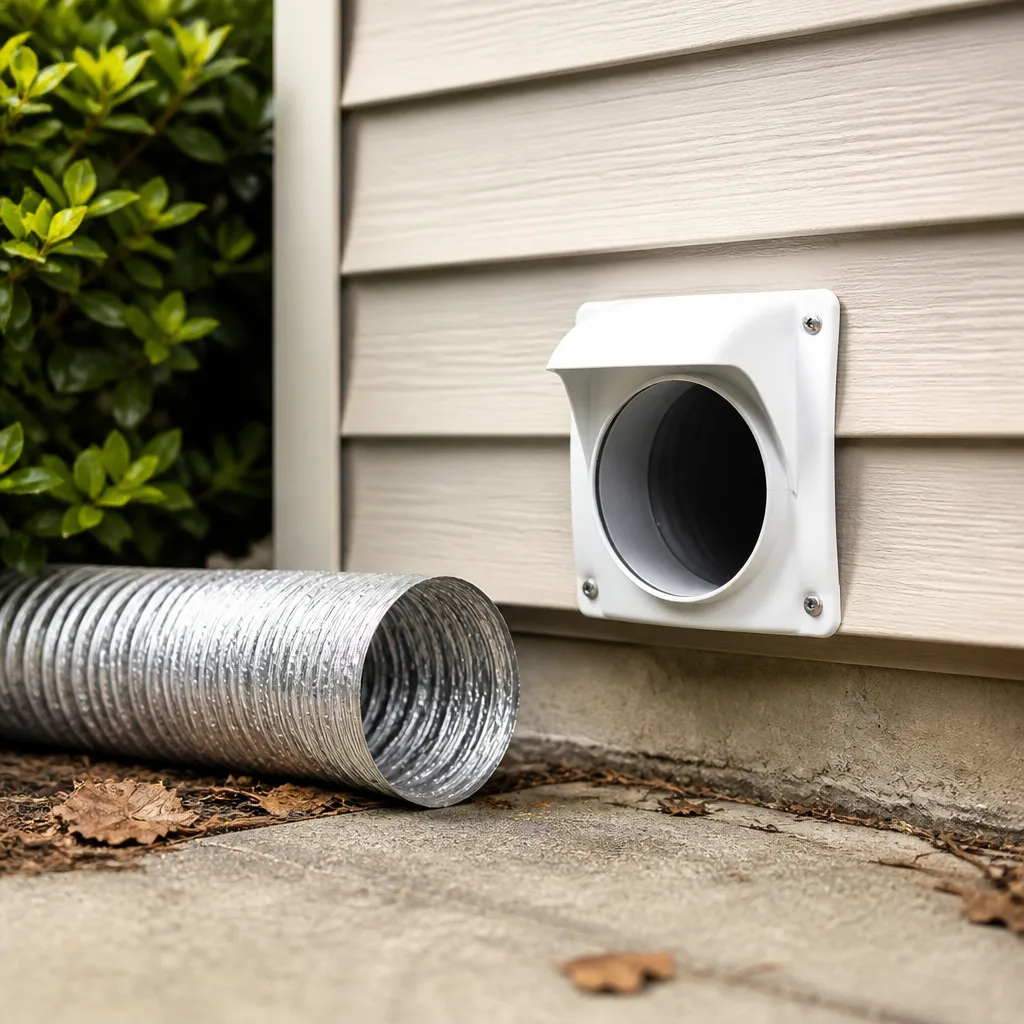 Dryer vent cleaning
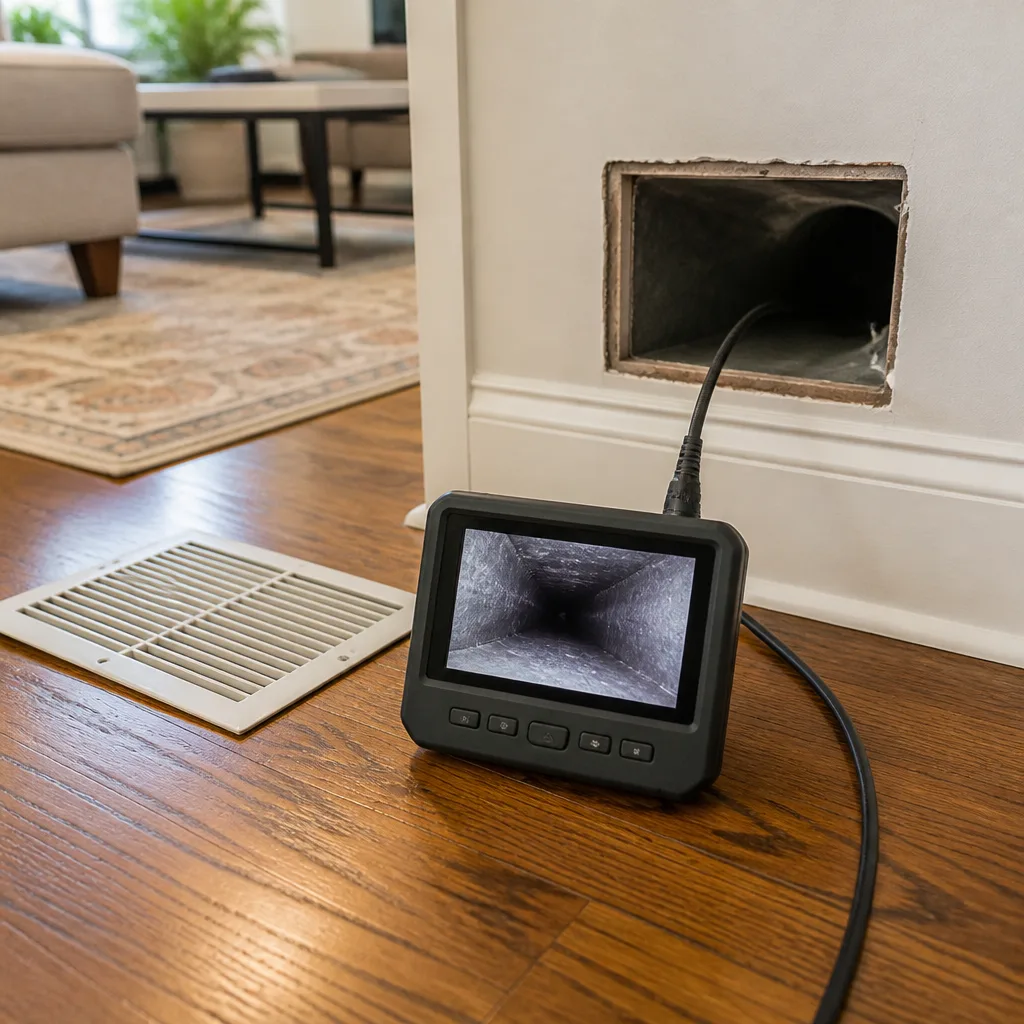 Camera inspection
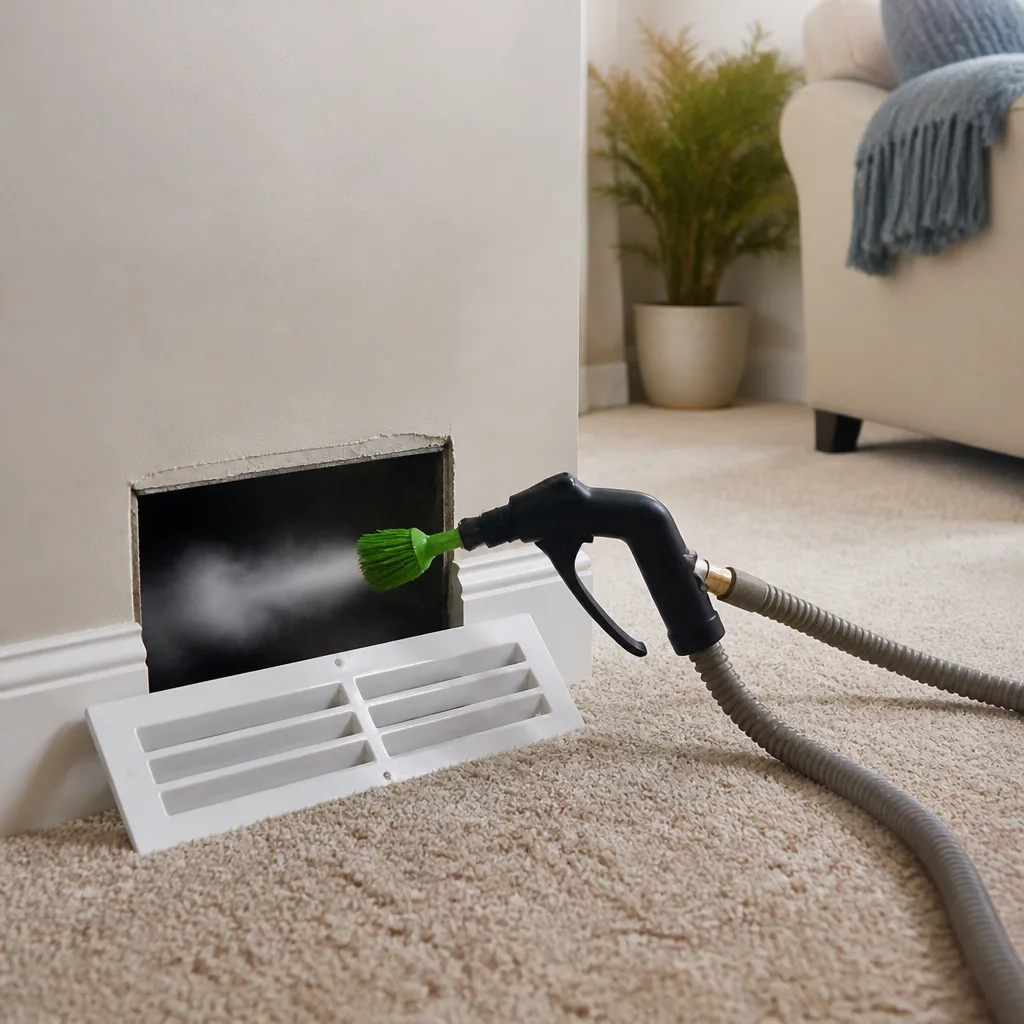 Sanitizing & deodorizing
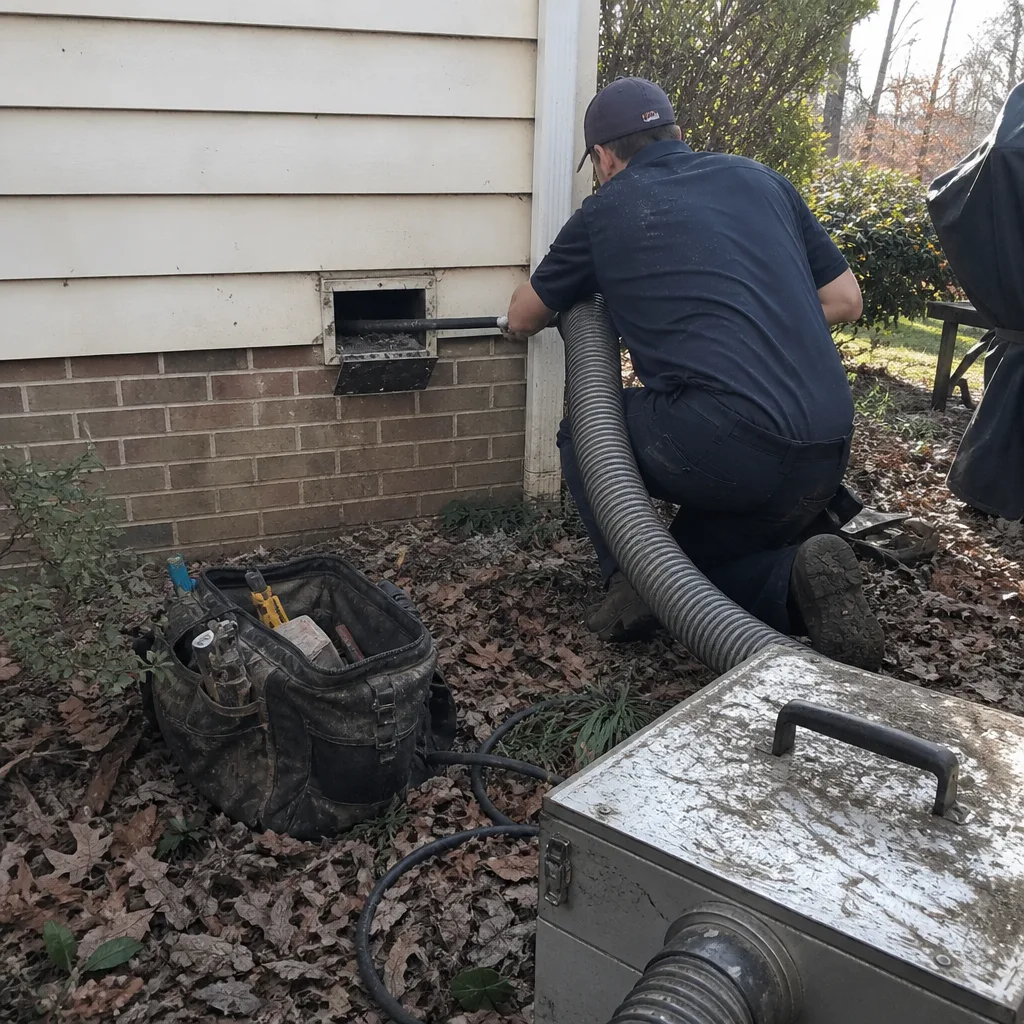
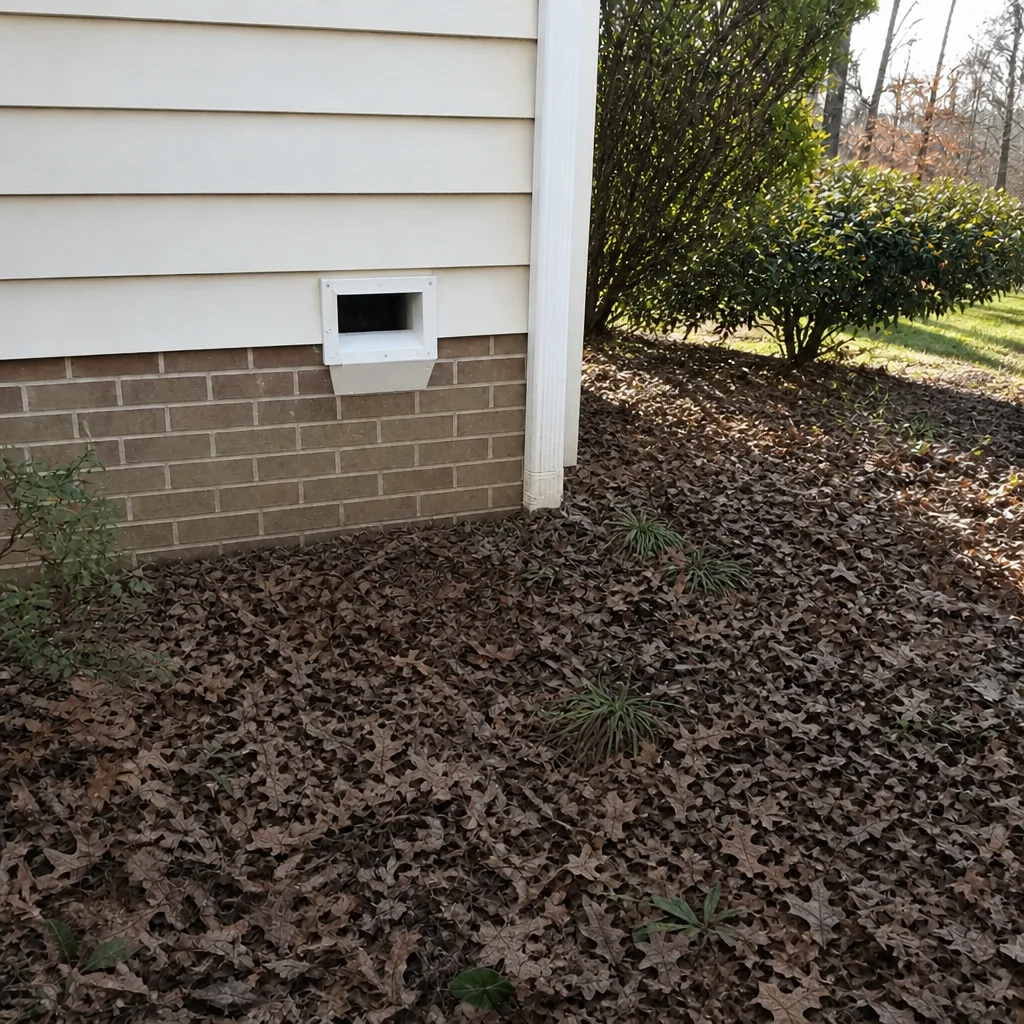
Whole-system duct and dryer vent check with before-and-after photos - you see exactly what came out of your vents
That "$99 whole-house special" is a bait ad - the real number appears once they are in your hallway, or the "clean" is a shop-vac at the register. We photograph the inside of your ducts before and after instead.
Seasonal Air Duct Cleaning Care for Greensboro: Year-Round Homeowner’s Guide
Most homeowners treat duct cleaning as a once-a-year checkbox, usually scheduled after they notice dust or after a bad allergy month. That approach misses the real pattern. Greensboro’s four-season climate doesn’t stress your duct system evenly. Each season puts load on a different part of the system, and the problems that surface in July or January were usually detectable months earlier. A return duct that’s quietly growing spores in a humid crawlspace doesn’t announce itself until you’re running the AC nonstop in the first week of July, pushing that air through every room. By then it’s a repair, not a cleaning. This guide sequences duct care to Greensboro’s actual climate calendar so you can act before each peak season instead of reacting after a problem surfaces.
Quick Answer
Air duct care in Greensboro works best on a seasonal rhythm tied to the climate, not a fixed annual date: inspect in April and May before cooling season, monitor condensation and drainage through the summer humidity belt, use the first heating cycle in fall as a diagnostic check, and clear dryer vents in winter before indoor drying habits raise lint fire risk. A whole-system cleaning every year isn’t right for every home. The variables that push your timeline shorter or longer are duct condition, humidity control, filtration setup, and what your system tells you during each seasonal transition.
Styles & brands we work with
- Whole-home duct cleaning
- Dryer vent cleaning
- Camera inspection
- Sanitizing & deodorizing
Table of Contents
- Why Seasonal Duct Care Beats an Annual Cleaning Habit
- Spring (April-May): The Highest-Value Inspection Window
- Summer (June-August): Condensation Risk and Drainage Monitoring
- Fall (September-November): Reading the First Heat Cycle
- Winter (December-February): The Right Window for Dryer Vents
- Why Annual Cleaning Isn’t the Right Default for Every Greensboro Home
- What Professional Equipment Actually Changes About the Job
- Common Mistakes to Avoid
- When to Call a Professional
- Frequently Asked Questions
Why Seasonal Duct Care Beats an Annual Cleaning Habit
An annual cleaning habit treats all 12 months as the same. They aren’t. Greensboro sits in a humid subtropical climate with hot, sticky summers and cold winters that actually require the furnace to run. That combination means your duct system carries two different loads in the same year: cooling in the warmer half, heating in the colder half. Each mode moves air differently through the same ductwork, and each exposes different weaknesses.
Think of it this way. In cooling mode, the supply ducts carry cold air, which means the outside of those ducts is a surface where moisture wants to condense. In heating mode, the same ducts carry warm air and stay dry. The condensation window is only open part of the year, so the damage it enables accumulates during a specific season. Cleaning and inspecting during the wrong season means you look at a system that’s currently behaving well, because the stress that causes problems hasn’t started yet.
Seasonal care is also about the sequence. There’s an order of operations that pays off:
- Inspect before peak cooling. Look at what winter deposited in the ducts before the system runs hard all summer.
- Monitor through summer. Watch for signs of condensation and drainage problems while humidity is highest.
- Test with the first heat cycle. Let the system tell you what changed.
- Address dryer vent risk in winter. Clear lint before indoor drying habits push fire risk up.
That sequence isn’t arbitrary. Each step sets up the next one. A homeowner in Greensboro who inspects in April learns what the ducts looked like when the system was off, and that baseline makes every later observation meaningful. If you jump straight to a summer cleaning, you never get the baseline. You clean, but you don’t learn.
In our experience, the homes that stay healthiest are the ones where someone looks at the system on a calendar, not a hunch. It’s not that they spend more. It’s that they catch problems while they’re still cheap to fix.
Spring (April-May): The Highest-Value Inspection Window
Spring is the most underrated month on the Greensboro duct care calendar, and it’s the one where you get the most information per dollar. Here’s why. By April, the furnace has finished its season, and the ducts are full of everything that moved through them over the winter: dust, dander, whatever the filter didn’t catch, plus the settled debris of a system that ran hot and dry for months. The AC hasn’t started yet. Humidity is climbing but hasn’t turned into the swampy air of July.
That combination makes April and May the highest-value inspection window of the year. You can see the ducts in a relatively calm state, before summer’s moisture and heavy cooling load start changing the picture. What you find in April is a true baseline.
Practical checks for the spring window:
- Look at the return grille. Dust matted onto the return is a sign the filter isn’t doing its job or the ducts need a pass.
- Check for visible moisture or staining near supply boots and around any duct runs in unconditioned space like an attic or crawlspace.
- Note any musty smell when the system first starts running in spring. That smell is a data point, not just an annoyance.
- Check the filter. Spring is a good reset point for filter changes and for confirming the MERV rating fits your system. Honeywell and Aprilaire filter cabinets and filtration controls are common in Greensboro homes, and knowing what’s installed matters.
The mold problem that surfaces in July, when the AC runs continuously and spores move through every room, was almost always detectable in April. Sometimes it’s a wet patch on a duct in a humid crawlspace. Sometimes it’s a disconnected run pulling air from a damp space. Catching it in April means a cleaning and a repair. Catching it in July means a cleaning, a repair, and a house that’s been cycling that air for weeks.
Spring is also the right time to schedule a full air duct cleaning if your system hasn’t had one recently, because the cleaning happens before the cooling load peaks. The ducts go into summer clean and dry, which is exactly the condition you want when the condensation window opens.
Summer (June-August): Condensation Risk and Drainage Monitoring
Summer is when Greensboro’s humidity belt does its work on your duct system, and the mechanism is simple physics. Cold air inside a supply duct cools the duct’s outer surface. In a humid space, that cold surface pulls moisture out of the air. If the duct insulation is intact everywhere, the moisture stays on the outside and drips away harmlessly. If the insulation has a gap, a tear, or a section that’s come loose, that cold surface is exposed to humid air, and condensation forms where it shouldn’t.
The result is a duct that stays wet through the cooling season. Wet ductwork in a humid climate is the exact condition that supports mold growth. And because the system runs continuously in summer, anything growing in the ducts gets distributed through the house.
What to monitor through the summer months:
- Sweating supply boots. A little condensation on a boot in a humid room is normal. Steady dripping or a puddle under a boot is not. It usually points to an insulation or air-seal problem.
- Drain pan and condensate line. The AC’s drain pan and the line that carries condensate away should be clear. A partially clogged line backs water up, and that moisture finds its way to areas where it can feed growth.
- Duct runs in the attic or crawlspace. These spaces are the humid side of the house. Any duct insulation damage there is where the problem starts.
- Airflow at the registers. A noticeably weak register in summer can mean a disconnected or crushed duct run, which pulls air from a hot, damp space instead of delivering cool air.
- Musty odor when the AC runs. Persistent smell through the summer is worth investigating, not masking.
Summer isn’t usually the time for a cleaning. It’s the time for monitoring. The reason is practical: if there’s an active moisture problem, cleaning a wet duct system doesn’t solve it. You clean, and the moisture comes right back because the underlying insulation or drainage issue is still there. That’s why we treat summer as a watch-and-repair season. If a supply boot is sweating badly or a duct run is loose, the fix is repair, and a company that handles duct cleaning in Greensboro alongside repair can address both without sending you to a second contractor.
One more note on summer. If the AC is working harder than it used to, or rooms that were cool last year are now warm, that’s worth a look before the system strains through August. Airflow problems often trace back to duct issues, and the sooner they’re found, the less stress the system carries.
Fall (September-November): Reading the First Heat Cycle
The shift from cooling to heating is one of the most useful diagnostics a duct system gives you all year. On the first cool evening when the furnace runs for the first time in months, pay attention. The system is telling you what happened over the summer and what condition it’s in before winter sets in.
Three signals matter most:
- Smell. The first heat cycle often produces a burnt-dust smell as settled particles on the heat exchanger burn off. A little of that on the first run is normal. Persistent odor through the early heating season is not. It can mean the ducts have accumulated debris the summer didn’t clear, or that something in the system needs attention.
- Airflow. Compare how the registers feel in early fall to how they felt last winter. Weaker airflow points to a duct problem, a filter that’s overdue, or a blower issue.
- Noise. New rattles, whistles, or a deeper hum can signal a loose duct joint or a run that’s working harder than it should. Duct noise often precedes a bigger airflow problem.
Fall is also the transition where a cleaning makes sense for homes that showed a signal in spring and summer. If the April inspection turned up a dust load that was borderline, and summer monitoring didn’t reveal moisture problems, an early fall cleaning resets the system before heating season. The ducts go into winter clean, and the heat cycle carries clean air.
This is also the right time to look at filtration. Honeywell and Aprilaire make filtration and air quality controls that are common in Greensboro homes, and if your system has one, verifying it’s working as it should in fall is worth doing. A filter cabinet that’s bypassing air, or a control that’s not cycling as intended, undermines everything else you do. We work with those systems regularly, and a fall review is a good moment to confirm the filtration side of your system is pulling its weight.
One fall task that tends to get skipped: checking the return side of the system. Returns don’t get the same attention as supplies, but they’re pulling air from the house all winter. A return that’s drawing from a damp crawlspace or an unsealed return chase is a problem worth finding before the heating season settles in.
Winter (December-February): The Right Window for Dryer Vents
Here’s the counterintuitive part of the Greensboro calendar: winter is a lower-priority window for air duct cleaning itself. The system runs in heating mode, the ducts stay dry, and the load is gentler than summer’s humid cooling season. If you cleaned in spring or fall, winter doesn’t usually need another cleaning.
But winter is the most important window for dryer vent cleaning, and for a reason that has nothing to do with the ducts. Winter is when people dry more indoors. Cold, wet weather pushes laundry inside, and households run the dryer more often through the colder months. Every load loads the dryer vent with more lint. Lint is what makes dryer vents a fire risk, and the risk climbs exactly when vent-clearing gets skipped.
Your dryer vent is a fire risk, not a footnote. It’s a leading cause of residential fires, and it’s one of the most neglected parts of a home’s air and exhaust system because it’s out of sight. A vent that’s partially blocked also makes the dryer work harder and run longer, which is why “the dryer takes forever to dry” is one of the most common early signals.
Winter dryer vent checks:
- Look at the outdoor vent flap while the dryer runs. It should open and close cleanly with airflow. A flap that stays shut or barely moves is a warning sign.
- Feel the vent air. Strong, steady airflow outdoors is the goal. Weak or intermittent airflow points to a blockage.
- Check the lint trap and the area behind the dryer. Lint that’s building behind the dryer has room to spread toward heat sources.
- Note drying times. If a load takes noticeably longer than it did last year, the vent likely needs a cleaning.
Dryer vent cleaning is a dedicated service, not an upsell afterthought, and it belongs to the season when its risk peaks. Clear the vent before winter, and you’re removing the fuel before the fire risk climbs.
Why Annual Cleaning Isn’t the Right Default for Every Greensboro Home
The “clean your ducts once a year” rule is a marketing default, not a technical one. Some Greensboro homes need more frequent cleaning. Some can comfortably go longer. The variables that move your timeline are worth understanding, because the right cadence for your home isn’t the right cadence for your neighbor’s.
What pushes a timeline shorter:
- Pets in the house. Pet dander and hair load the return side faster and travel farther into the system.
- Recent renovation or construction. Drywall dust, sawdust, and construction debris are notorious for finding their way into ducts and staying there.
- Humidity problems. A home with a damp crawlspace, a weak dehumidifier, or visible condensation has a shorter timeline because moisture drives growth.
- Allergy or respiratory concerns in the household. When indoor air quality is a priority, cleaning more often is a reasonable choice.
- Smokers or wood-burning appliances. Smoke residue and fine particulates settle in the system.
- Older ductwork or a system with known leaks and loose joints. Leaky ducts pull in dust and debris from unconditioned spaces.
What can push a timeline longer:
- A well-sealed, well-filtered system. Good seals and a properly rated filter (think a Honeywell or Aprilaire cabinet doing its job) keep the ducts cleaner for longer.
- No pets, no recent renovation, no humidity issues. Fewer sources of load mean slower buildup.
- Regular seasonal inspections that catch small problems early. A system that’s checked in spring and monitored through summer needs fewer full cleanings.
In our experience, the right approach is to inspect, then decide. A full-system cleaning every year for a clean, well-maintained home is money spent on a problem you don’t have. Skipping it for years in a pet-heavy home with a damp crawlspace is a problem you’re letting grow. The seasonal calendar gives you the checkpoints to make the call on evidence, not habit.
What Professional Equipment Actually Changes About the Job
Duct cleaning gets a bad reputation because the market is full of cut-rate work that doesn’t achieve much. The difference between a real cleaning and a token pass isn’t effort. It’s equipment. A shop vac and a spinning brush can knock dust off the inside surfaces of the main trunk and make the visible parts look better. That’s not the same as cleaning the whole system.
Professional-grade duct cleaning equipment is purpose-built for the job:
- Rotobrush and Nikro systems are designed specifically for duct interiors. They combine agitation with high-volume negative pressure so loosened debris is captured, not just stirred into the air you’re about to breathe.
- Full-system coverage means the supplies, the returns, the trunk, the branch runs, and the air handler area are all addressed, not just the register-to-register path.
- Before-and-after photos let you see what changed. You shouldn’t have to take a company’s word for it.
- Finishing products like Guardsman-backed protection extend the results of a cleaning, which matters in a humid climate where surfaces stay damp part of the year.
- Repair capability. A cleaning often turns up a disconnected run, a crushed section, or failing insulation. A company that also does air duct repair can fix what it finds instead of leaving it for another contractor and another appointment.
We work on the whole system. That means we’re thinking about filtration, airflow, moisture, and duct condition together, not running a brush through one trunk line and calling it done. When you’re comparing quotes, compare process and equipment, not just price. The cheapest quote usually reflects the smallest scope, and a low teaser price that becomes a larger invoice once the technician is on site is the pattern that gives this industry its bad name. A flat price per system, agreed before work starts, is the honest model.
Common Mistakes to Avoid
- Treating a mid-summer cleaning as the answer to a moisture problem. If the ducts are wet or a supply boot is sweating badly, cleaning first doesn’t solve it. The moisture source has to be found and fixed, or the problem returns.
- Skipping the spring inspection because the house seemed fine. April and May are when the information is best, precisely because the AC hasn’t started. Waiting until a July problem surfaces means starting from a worse position.
- Ignoring the first heat cycle. The smell, airflow, and noise on the first cold-evening run are the most useful diagnostic the system offers. Dismissing a persistent odor or a new rattle gives up free information.
- Forgetting the dryer vent through winter. Dryer vent fire risk peaks when indoor drying habits peak. A vent that was fine in October can be loaded by January.
- Assuming annual is right for every home. A pet-free home with a sealed, well-filtered system doesn’t need the same cadence as a home with pets, a renovation, and a damp crawlspace. Inspect, then decide.
- Pricing on a coupon and assuming it covers the whole system. A low figure that only covers a partial pass isn’t comparable to a whole-system price. Ask what’s included, and ask for the written estimate before work starts.
- Never verifying the work. If a company won’t show you before-and-after photos of your own ducts, you have no way to know what was actually done.
When to Call a Professional
Some duct work is a maintenance decision, and some is a call-now decision. Call a professional when you see visible mold or growth in or around a duct, when a supply boot is dripping steadily in summer, when a persistent musty smell runs through the whole cooling season, when a register has clearly lost airflow compared to the rest of the house, when a duct is visibly disconnected or crushed, or when your dryer is taking noticeably longer to dry a load and the vent hasn’t been checked. Also call after a major renovation, or if anyone in the house has ongoing respiratory concerns and the ducts haven’t been evaluated. For routine work, the spring window is the best time to schedule.
Duct Cleaning Greensboro offers free estimates in Greensboro. Call (833) 968-4577. We answer 24/7. Fast dispatch from 7am to 7pm, Sunday through Friday. Our technicians have up to 12 years of experience, and every job runs on professional-grade equipment. One flat price per system is agreed before work starts, and you get before-and-after photos of your own ducts.
Frequently Asked Questions
Most Greensboro homes land somewhere between every 2 and 4 years, with some needing a cleaning more often and some comfortably going longer. The variables that move the timeline are pets, recent renovation, humidity problems in the home, allergy concerns, and the age and condition of the ductwork. A well-sealed system with a properly rated filter that gets inspected in spring can often stretch its interval. A pet-heavy home with a damp crawlspace should shorten it. The right approach is to inspect, then decide based on what the system actually shows.
Spring, roughly April and May, is the best window for a full cleaning in Greensboro. The furnace has finished its season, the ducts hold winter’s accumulation, and the AC hasn’t started running hard yet, so you get a clean system going into the humid cooling season. Early fall is a solid second choice for homes that passed spring and summer checks. Winter is usually a lower priority for duct cleaning itself, though it’s the key season for dryer vent work.
A light burnt-dust smell on the first heat cycle is normal, because settled particles on the heat exchanger burn off as the furnace warms up. It usually clears within a run or two. A smell that persists through the early heating season is different and worth investigating. Persistent odor can point to debris the summer didn’t clear, or to something in the system that needs attention. If it doesn’t clear, have the system checked.
Yes, and the mechanism is condensation. Cold air inside a supply duct cools the duct’s outer surface, and in Greensboro’s humid summers that pulls moisture out of the air. If the duct insulation has a gap or a loose section, the exposed cold surface stays wet through the cooling season, and wet ductwork in a humid climate supports mold growth. That’s why summer monitoring, especially of sweating supply boots and duct runs in attics and crawlspaces, matters as much as cleaning.
Cheap quotes usually reflect a much smaller scope: a light pass through the visible trunk and registers rather than a full-system cleaning, often with consumer-grade or repurposed equipment. The low figure doesn’t cover the whole system, so it isn’t comparable to a full-cleaning price. The honest model is one flat price per system, agreed before work starts, so there’s no surprise invoice once the technician is on site. Ask exactly what’s included and what equipment is used. Call (833) 968-4577 for an exact quote – estimates are free.
Ask for before-and-after photos of your own ducts, not stock images. Photos taken inside the system during the job are the simplest verifiable proof that the work happened and what it achieved. Combine that with a clear scope agreed in advance and a flat price per system, and you have a job you can check rather than one you have to trust. Call (833) 968-4577 to schedule – estimates are free.
The Bottom Line
Greensboro’s four-season climate puts uneven stress on your duct system, and seasonal care matches your attention to the actual load. Inspect in spring before the cooling season starts. Monitor condensation and drainage through summer’s humidity. Read the first heat cycle in fall for smell, airflow, and noise. Clear the dryer vent in winter before indoor drying habits raise lint fire risk. And skip the assumption that every home needs an annual cleaning: inspect, then decide based on your home’s specific variables. A whole-system approach, run on professional-grade equipment, catches problems while they’re still a cleaning and a repair rather than an ongoing air quality issue. Call (833) 968-4577 for a free estimate – one flat price per system, agreed before work starts.
Written by the team at Duct Cleaning Greensboro.
See the difference
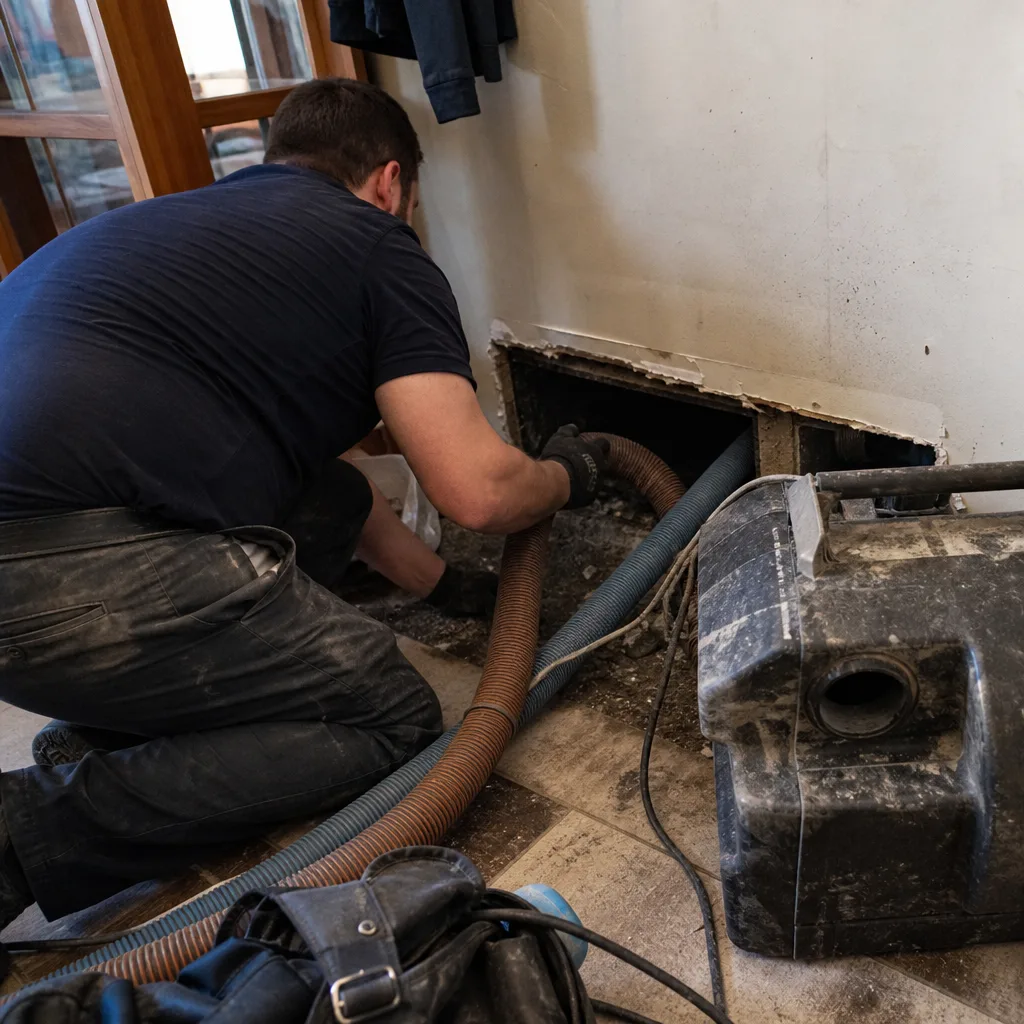 Before
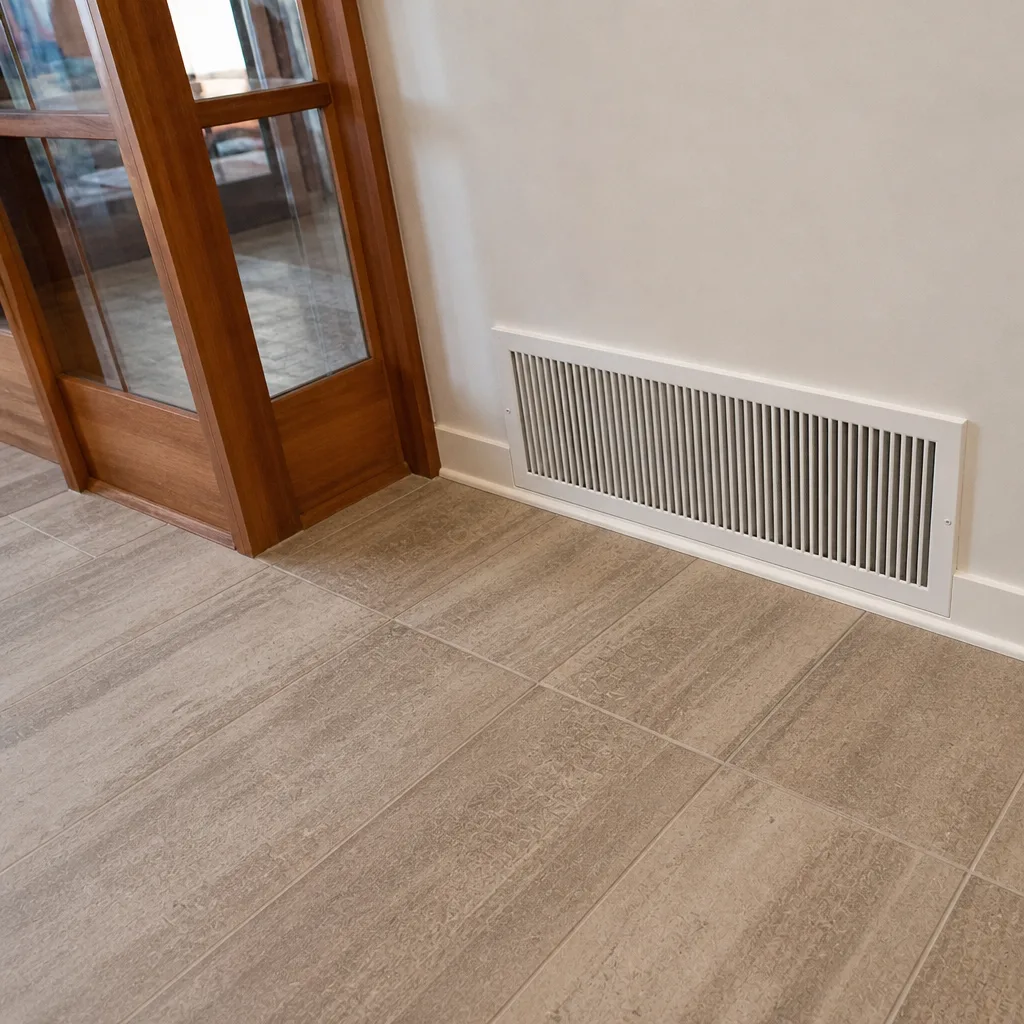 After
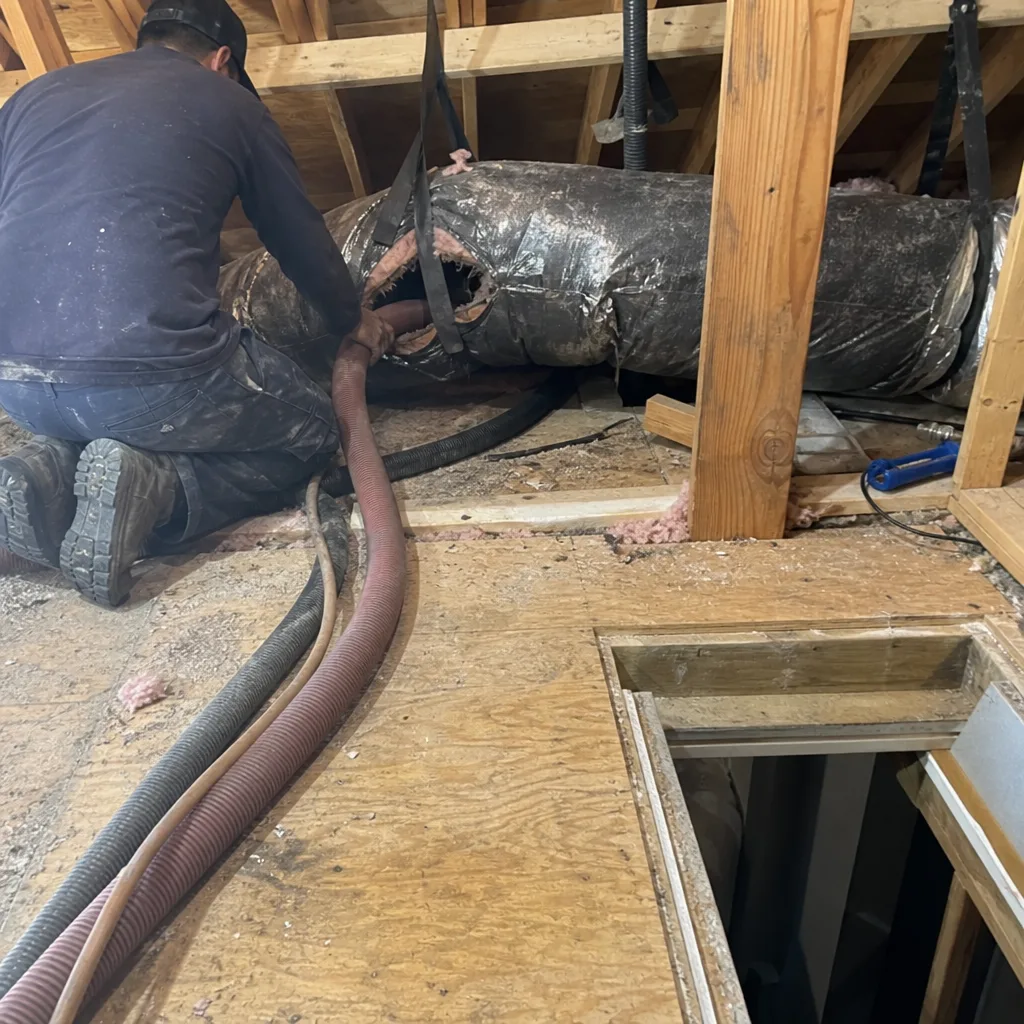 Before
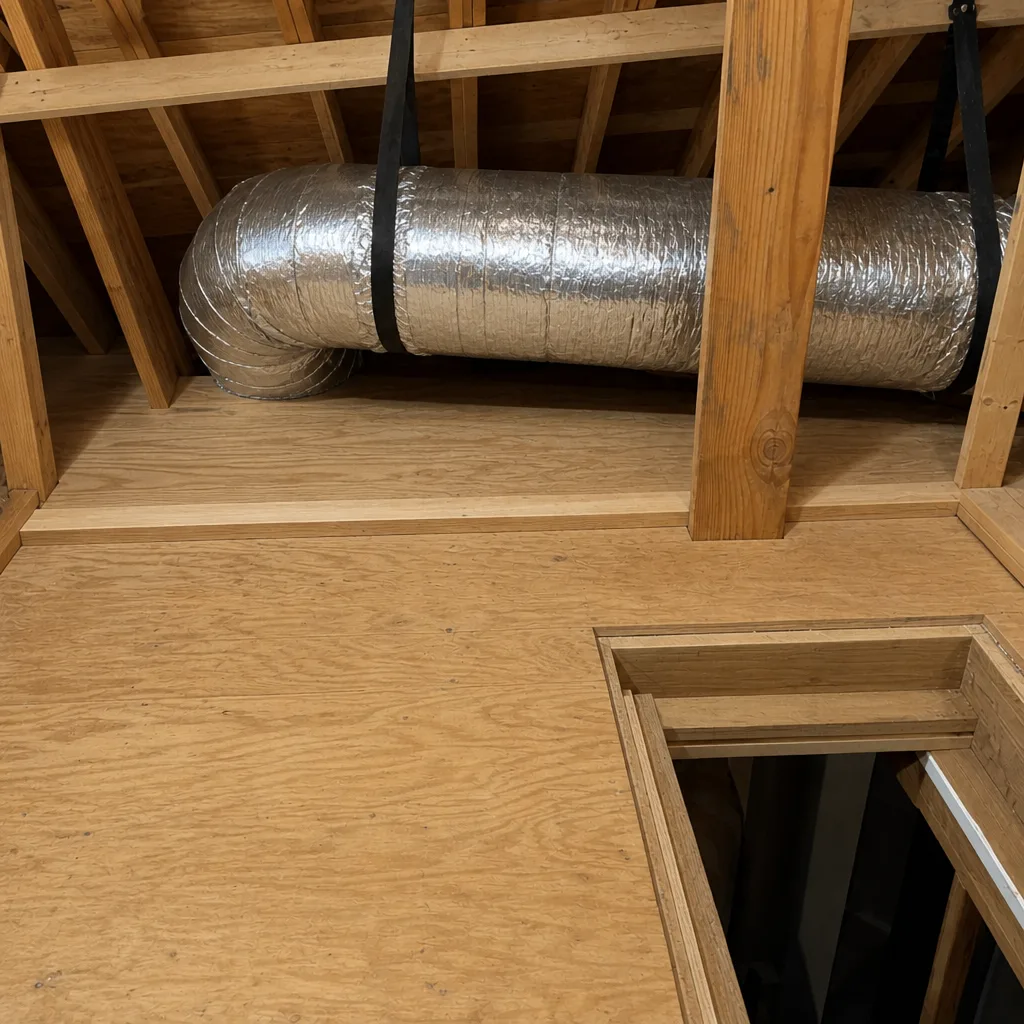 After
 Before
 After