
Last updated November 16, 2026
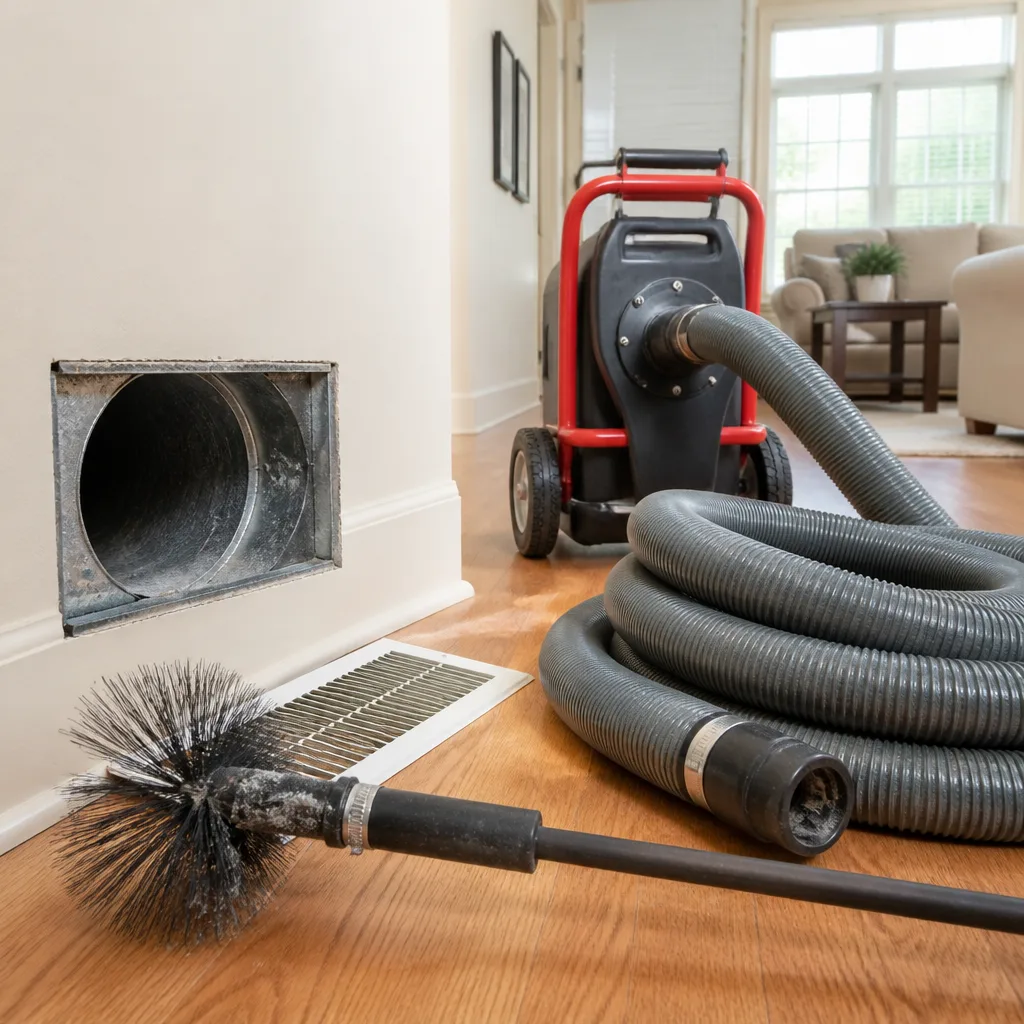 Whole-home duct cleaning
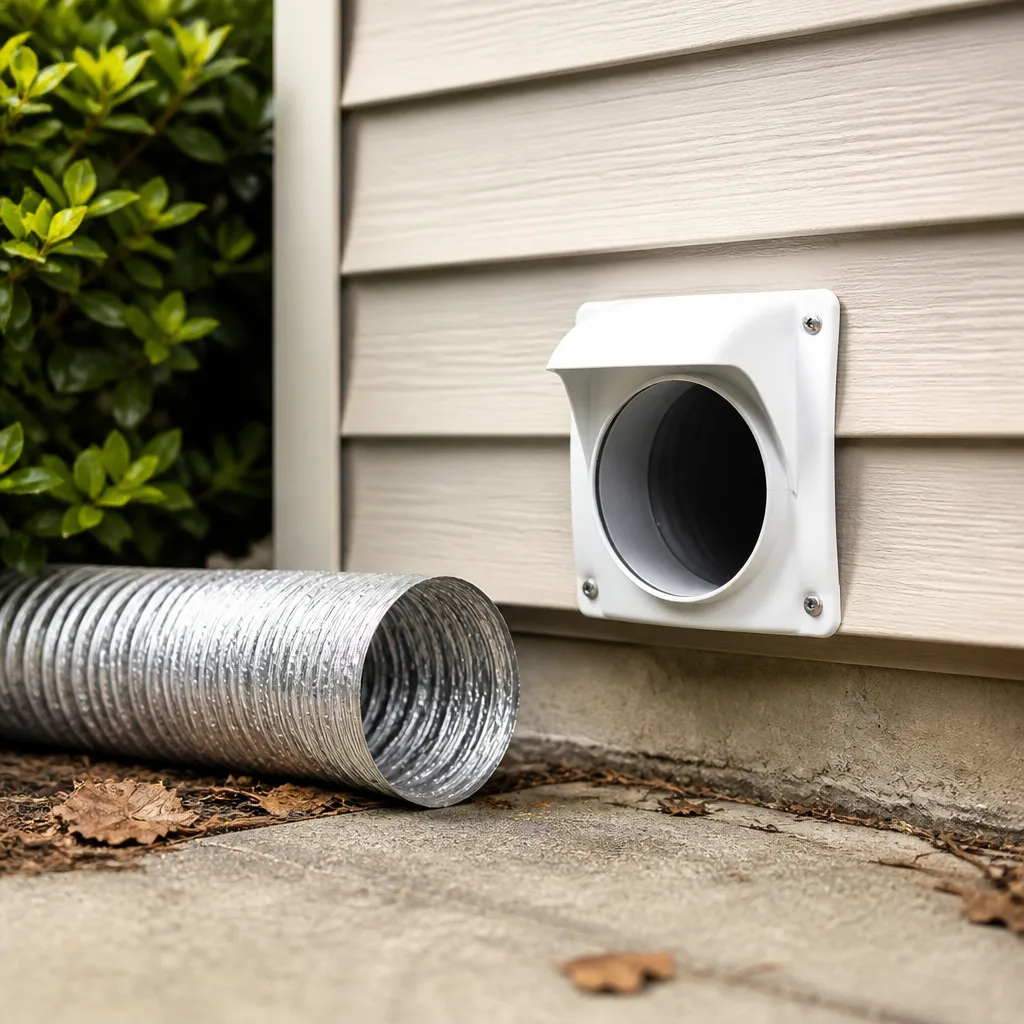 Dryer vent cleaning
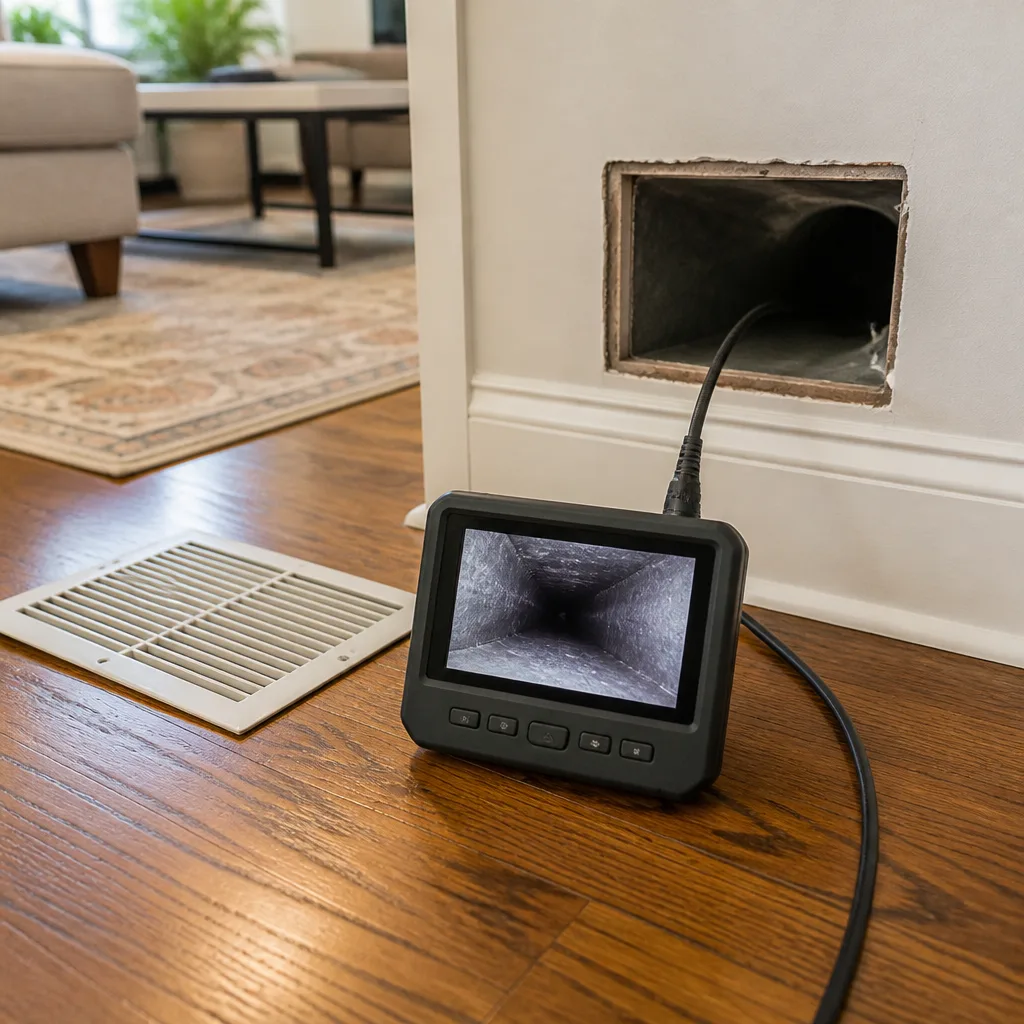 Camera inspection
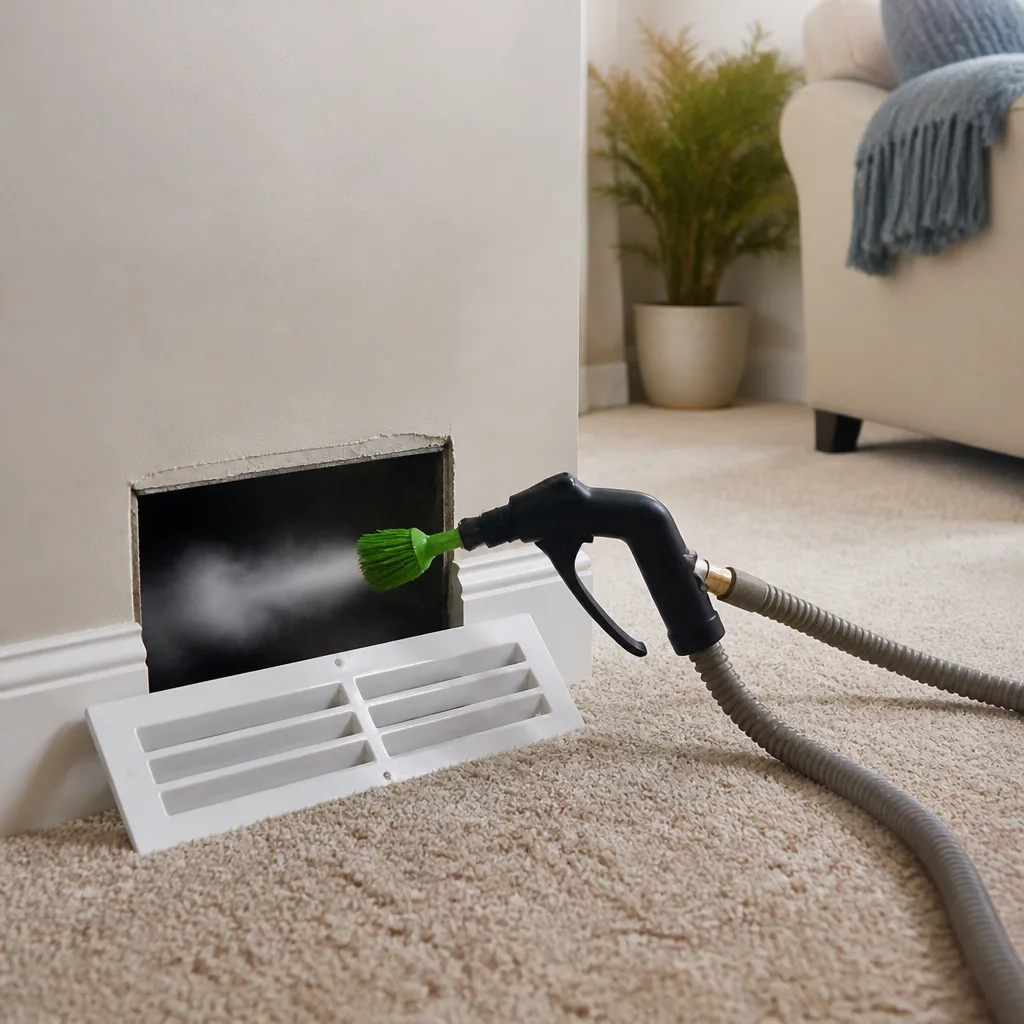 Sanitizing & deodorizing
Whole-system duct and dryer vent check with before-and-after photos - you see exactly what came out of your vents
That "$99 whole-house special" is a bait ad - the real number appears once they are in your hallway, or the "clean" is a shop-vac at the register. We photograph the inside of your ducts before and after instead.
DIY vs Professional Air Duct Cleaning: The Greensboro Homeowner’s Decision Guide
Here’s the part most DIY duct cleaning advice skips: a shop vac and a dryer vent brush can reach roughly 18 inches of duct from each register opening. That covers less than 5% of a typical Greensboro home’s total duct surface area, and every bit of debris you disturb has only one place to go – straight into the room you’re standing in. The math works against you before you start. This guide draws an honest line through the whole question for Greensboro homeowners: what you can legitimately handle yourself, what requires professional equipment to do safely, and where a well-intentioned weekend project actively makes your indoor air worse. We’ll cover the physics behind negative-pressure cleaning, the specific scenarios where DIY does real harm, and how to think about cost versus risk when you know there’s contamination in the system.
Quick Answer
For routine maintenance, DIY is fine: cleaning register covers, changing filters on schedule, and vacuuming the return grille are all reasonable homeowner tasks. For actual duct interior cleaning, professional equipment is the only workable answer – a shop vac or rental unit can’t generate the negative pressure or HEPA filtration needed to pull debris out of ducts without releasing it into your living space. If you have known contamination (renovation dust, rodent evidence, water intrusion, visible mold), DIY isn’t just ineffective; it can dislodge settled contamination into the air your family breathes.
Styles & brands we work with
- Whole-home duct cleaning
- Dryer vent cleaning
- Camera inspection
- Sanitizing & deodorizing
Table of Contents
- The Physics of Why DIY Duct Cleaning Backfires
- What a Greensboro Homeowner Can Legitimately DIY
- When DIY Attempts Cause Measurable Harm
- The Cost-to-Risk Calculation for Homes with Known Contamination
- What Renting a Duct Cleaning Machine Actually Delivers
- What Professional Equipment Does That Consumer Tools Can’t
- Greensboro-Specific Factors That Change the Calculation
- A Step-by-Step Decision Framework
The Physics of Why DIY Duct Cleaning Backfires
Professional duct cleaning is built around negative pressure. The equipment creates a strong vacuum at a single collection point – usually the main trunk line – while technicians agitate the duct walls from every register opening. Contamination gets pulled toward that collection point and trapped in a HEPA-filtered containment unit. The airflow moves in one direction, and that direction is out of your house. That’s the entire operating principle behind professional-grade systems from Rotobrush and Nikro, and it’s why they cost what they cost.
Consumer tools work the opposite way. A shop vac pulls air into its hose at low volume and then exhausts it back into the room through a basic filter. Consumer-grade shop vac filters capture larger particles but let fine dust, mold spores, and debris of the size that matters most to indoor air quality pass straight through. When you insert that hose into a register and start moving it around, you create exactly the condition you were trying to fix: dust that had been settled and contained inside the duct walls is now airborne in your living room. The mechanical energy is real. The containment isn’t.
A dryer vent brush through a register is even less useful. It knocks material loose from the duct walls and pushes it downstream, deeper into the system – including into the blower compartment and evaporator coil area. If a Greensboro home’s system is going to need cleaning anyway, aggressive brushing from the register side can deposit debris where the next technician will have to fight harder to remove it. We’ve seen the result numerous times during pre-cleaning inspections: registers that were brushed out from the room side with visible dust now pushed into the branch runs and settled around the coil housing.
The core thing to understand is that duct cleaning is a containment problem before it’s a scrubbing problem. Professional systems solve the containment problem first, then clean. Consumer tools don’t solve containment at all – they just redistribute. That’s the physics, and no amount of technique on the homeowner side changes it.
What a Greensboro Homeowner Can Legitimately DIY
This isn’t a take designed to talk you out of every DIY task. There are real maintenance jobs on a duct system that a homeowner should handle, and handling them well makes the professional cleaning (when you need one) more effective. Here’s the honest list.
1. Register cover removal and cleaning
Register covers – the grilles on your walls, floors, and ceilings – collect dust on the room-facing side constantly. Pop them off, wash them in a sink or bathtub with mild soap, dry them thoroughly, and reinstall. This is fully DIY and actually makes a measurable difference to visible dust in the room. Do it every few months, and after any renovation.
2. Filter changes
Filter changes are the single highest-value DIY task in home HVAC maintenance, and every duct cleaning professional will tell you the same thing. A clogged filter restricts airflow, forces the blower to work harder, and dumps the dust it can no longer capture back into the system. Follow your filter manufacturer’s recommended interval, and shorten the interval after renovations or when pollen season is heavy in Greensboro. Write the change date on the filter edge with a marker – it’s a simple habit that pays off.
3. Return grille vacuuming
Your return grille (the large one, usually centrally located) collects dust on the room-facing side and often just behind the grille on the filter frame. A damp cloth and a quick vacuum of the visible surfaces is fine. Don’t push tools into the return duct itself – that’s where the containment problem kicks in.
4. Dryer vent disconnect-and-blow
This is a legitimate DIY job for a homeowner comfortable with the mechanics. Disconnect the dryer exhaust hose from the back of the dryer, remove any built-up lint from the hose and the dryer exhaust port, and check the outside vent flap for lint accumulation. What you can’t do yourself with confidence is the full run of the vent behind the wall – that’s where lint and debris accumulate in ways that create a fire risk, and where professional dryer vent cleaning with proper agitation and extraction tools is the correct answer. Dryer vents are a genuine fire risk, not a footnote in the maintenance conversation.
5. Visual inspection and documentation
Take your phone, turn on the flashlight, and take photos of the register openings, the inside of the return, and any visible duct work in the basement, crawlspace, or attic. Date the photos. If you ever need to call a professional, this documentation helps them understand your system’s condition and history before they arrive. If you ever sell the home, the history has value. This is DIY at its best: observation, not intervention.
That’s the full list. Any task beyond those – and specifically anything that involves inserting a tool into a duct beyond the register opening – crosses into the zone where professional equipment is required.
When DIY Attempts Cause Measurable Harm
Most homeowner DIY attempts are harmless but ineffective. Some make things meaningfully worse. These are the specific scenarios where we’d strongly advise against DIY, based on what the cleanup looks like afterward.
Scenario 1: Disturbing settled mold growth
If there’s been any moisture intrusion into the system – a roof leak, a dripping condensate line, an AC coil that iced up – mold can grow on duct liner and interior surfaces. Settled mold spores are contained. Disturbed mold spores are airborne. A shop vac or brush through a register with mold growth behind it sends spores into the living space at concentrations far above background, and the homeowner has no way to immediately tell. Professional cleaning uses HEPA containment and, where needed, appropriate antimicrobial treatment afterward – which is exactly why the cleanup is thorough and the process isn’t rushed. If you suspect mold anywhere in the system, close the registers in that zone and call a professional, don’t experiment.
Scenario 2: Disconnecting flex duct joints
Flexible duct is held together with zip ties, tape, or mastic at the joints, and those joints are fragile. Inserting a rigid tool into a register and pushing can disconnect a joint downstream in a place you cannot see. The homeowner sees nothing happen. Three weeks later they’re calling because the room never heats properly, and we open the system to find a flex duct that has come apart in the attic. Repairing it is straightforward, but the discomfort and the diagnostic work were avoidable. The cost-to-fix is real, and the hidden nature of the failure means it can go undiagnosed for a long time.
Scenario 3: Introducing shop vac exhaust into the system
Shop vacs exhaust their filtered air back into the room – and if you run the hose near a return opening with the HVAC fan running, you can pull that exhaust into the system, distributing fine debris into ducts that were formerly clean. The concentrated blast of shop vac exhaust is also hot (from the vac’s own motor) and includes motor carbon dust. Running a shop vac near any open ducting with the fan running is a recipe for putting contamination where it didn’t belong.
Scenario 4: Pushing debris into the blower or coil
The blower motor compartment and the evaporator coil are the two components that a homeowner can damage in a meaningful way through upstream debris. Both are located in places that registers don’t easily reach, and both are expensive to service. When you push debris downstream from a register, it eventually has to stop somewhere. If that somewhere is the coil fins, you’ve turned a cleaning job into a coil-cleaning job and potentially a repair job.
None of these outcomes is a reason to panic about having tried. They’re reasons to know the boundary and stop at it. The system’s condition rarely gets worse from neglect alone; it does get worse from well-intentioned intervention with the wrong tools.
The Cost-to-Risk Calculation for Homes with Known Contamination
If you know (or strongly suspect) that the system has a specific contamination problem, the DIY-versus-professional question has a clear answer. Professional cleaning is the rational choice, and the cost comparison becomes secondary to the containment problem. Here are the scenarios that put a Greensboro home into this category.
Post-renovation dust
Any renovation involving drywall, flooring removal, or significant carpentry produces fine silica and gypsum dust that infiltrates the return system within days. That dust is finer than a consumer filter, settles almost everywhere, and settles deep. Homes undergoing renovations are the single largest category of system contamination we see in Greensboro. If your home had drywall work done in the last 18 months, there’s a strong probability that fine renovation dust is throughout the ductwork, and DIY cleanup will make it airborne in the living space rather than evacuate it.
Rodent evidence
If you’ve seen droppings, heard scratching in the walls or attic, or found a nest during other work, that’s not a cleaning problem – it’s a contamination and potential biological hazard problem. Professional cleaning addresses removal of the material plus a protective finish on the treated surfaces (Guardsman-grade finishing products are part of the standard toolkit for this reason) and often follows with identifying and sealing entry points. DIY handling of rodent contamination in a duct system exposes the homeowner to diseases carried by rodent waste in ways that the professional protocol specifically manages. This is not the job to save a few hundred dollars on.
Water intrusion history
Any roof leak, plumbing leak, or water event that had air movement through it during the wet period can leave behind moisture in the duct liner and potential microbial growth. Even if the visible water damage was repaired elsewhere in the home, the duct system’s liner is where conditions persist. If the home had a water event within the last 3 years that involved the attic or crawlspace, have the system inspected by a professional before doing anything to it – not by a shop vac.
Visible mold at a register
If you see dark spots or a musty smell at a register or on the return side of the system, the problem has already reached the room-facing surfaces. The system is not in the “mitigate with DIY” category. It’s in the “professional inspection and cleaning with proper HEPA containment, followed by a treatment finish” category. This is one of the few jobs where waiting and watching isn’t the right call either.
The prudent cost-to-risk approach when contamination is confirmed is: get a written estimate from a professional, understand what the cleaning will involve, and make the decision based on the containment problem, not the price difference. A contaminated system that gets properly cleaned is a known quantity. A contaminated system that gets DIY-disturbed becomes a distribution problem throughout the home.
What Renting a Duct Cleaning Machine Actually Delivers
Some home improvement stores and rental yards offer a duct cleaning machine by the day. The idea seems reasonable – why not rent the equipment and skip the service cost? Here’s what the rental actually gets you, and where it stops.
Pressure
The rental machines are consumer or light-commercial grade. They produce meaningful airflow but at a fraction of the static pressure a truck-mounted professional unit produces. Professional units drive enough negative pressure to move debris through long branch runs and the main trunk simultaneously. Rental units can move debris in the first several feet of duct near the register where they’re applied. What they can’t do is reach into the far end of a long branch run or into the main trunk from a single collection point.
Airflow volume
Volume matters as much as pressure for carrying debris. Professional equipment moves hundreds of cubic feet per minute through the containment system. Rental units typically move well under that. The debris has to be carried, not just loosened – and once loosened, volume is what gets it to the collection point. Without the volume, the debris stays suspended in the branch runs and re-settles almost immediately.
HEPA filtration
This is where the rental comparison breaks down hardest. Some rental units have HEPA filtration. Many don’t, or the “HEPA-style” filter lets a meaningful percentage of fine dust pass. Professional HEPA filtration on the containment drum is what keeps the air in the home clean during the cleaning itself. This is the part that matters most from the homeowner’s perspective, because it’s the difference between a system that gets cleaner and a room that gets dirtier.
Agitation tools
Professional equipment includes a range of agitation tools (compressed air whips, brushes, and rotary tools) designed for specific duct types and geometries. Renting one machine usually means getting one tool, and applying it with one technique to every duct in the house. Rotobrush and Nikro systems are designed as toolkits for a reason – the tool has to match the duct.
Technician judgment on what’s found
The rental unit doesn’t tell you anything about what it’s finding. Professionals doing the same job see the debris coming out, understand what that indicates about a specific duct run, and can identify a disconnected joint, mold, rodent evidence, or a damaged liner during the cleaning. The equipment and the eye work together. That’s the part rental units can’t include.
If the rental is tempting anyway, be honest about what it can accomplish: perhaps a light surface cleaning of the first few feet of duct near each register, in a home with no known contamination, using careful technique and stopping the moment anything unexpected shows up. That’s the honest ceiling.
What Professional Equipment Does That Consumer Tools Can’t
When we talk to skeptics about why professional cleaning is different, the answer is in the equipment – not as a sales pitch, but as a mechanical explanation. Professional-grade systems from Rotobrush and Nikro were designed specifically for duct cleaning, not adapted from other uses.
- Containment at the source. Professional systems seal the collection point at the main trunk and pull the entire system into negative pressure. Debris has only one place to go: into the containment unit. Consumer tools have no collection point at all.
- HEPA filtration on the exhaust. Professional systems exhaust through HEPA filtration. Air leaving the containment unit is cleaner than the air in the room. Consumer shops vacs exhaust air that carries fine dust.
- Wire and compressed air agitation tools. The duct wall needs mechanical agitation to release adhered debris, and different duct types need different tools. Professional systems include the right tools for flex, rigid, and lined duct, whether round, rectangular, or oval.
- Reach into branch runs and main trunks. From a register opening, the professional tool can travel deep into the duct, agitate the walls, and the airflow pulls the debris back to the collection point. Consumer tools stop at the register throat.
- Before-and-after inspection. Professional cleaning includes before-and-after photographic documentation of the register openings and, where feasible, the interior reachable with a camera. The homeowner sees what was cleaned because the cleaning itself includes the documentation.
- Post-treatment finish. After cleaning, professional systems apply a finishing product – Guardsman-grade protection products are part of the standard kit – to seal the cleaned surfaces and slow the rate at which new dust adheres. Consumer tools have no equivalent finish.
- Post-cleaning repair capability. A professional air duct cleaning service also has the capability to repair what was found during the cleaning – a disconnected flex joint, a damaged liner, or a section requiring replacement. Consumer tools leave the damage for another day, which often means another call.
Each of these is a mechanical difference, not a marketing one. None of them can be approximated by a shop vac and physical effort. The professional-versus-DIY comparison is not really “who does it more thoroughly” – it’s “who can do it at all.”
Greensboro-Specific Factors That Change the Calculation
A few local realities tip the calculation for Greensboro homeowners more often than not, and they’re worth knowing before deciding anything.
Pollen season
Greensboro’s spring and fall pollen is significant enough that a filter that would last three months in another climate needs to be changed more often. When the filter loads early, the return system pulls unfiltered dust through the remainder of the ductwork. Homes in Greensboro that run the HVAC system during pollen season without shortening the filter interval accumulate fine particulate in the ducts at a faster rate than the same home in a lower-pollen region. The system was designed to handle it; the filter interval just needs adjusting.
Humidity and summer AC run
Piedmont summers are humid. A residential system running long summer cycles pulls moisture through the return, and if the evaporator coil is dirty or the condensate drain is partially blocked, some of that moisture lingers in areas near the coil. That’s the environment mold growth needs. Homes in Greensboro with visible dust issues at the registers in summer often benefit from a full-system inspection that goes beyond cleaning to look at coil condition and drain function. That’s a professional job – it’s not a duct-cleaning add-on, and it’s not something to handle with a shop vac.
Older housing stock with retrofitted systems
Greensboro has a substantial number of older homes where HVAC systems were retrofitted into existing structures, and ductwork was routed through crawlspaces, attics, and chases in ways that create long runs, sharp turns, and joints that strain over time. These are exactly the systems where DIY cleaning has the highest risk of disconnecting a joint or pushing debris into a hard-to-reach area. If your home predates its HVAC system by a significant margin, be especially conservative about what you do to the ductwork yourself.
Recent renovation activity
Renovation activity in Greensboro neighborhoods is common, and the correlation with system contamination is strong. If your home has been in any renovation in the last 18-24 months – kitchen, bath, flooring, drywall – plan on a professional inspection of the system, not a DIY clean. We routinely see fine gypsum and silica dust in the return-side ductwork of homes that had a renovation within the last year but no duct cleaning afterward.
Older flex duct with fragile connections
Flex duct installed more than about a decade ago starts to weaken at the joints and at the connection points. If any part of the system looks like older flex duct, DIY exploration is riskier than it looks. The proper approach is a professional inspection that includes looking at the joints, not a homeowner investigation from the register side.
Local code and permit considerations
Most Greensboro-area duct cleaning and duct repair work falls within normal maintenance and doesn’t require a permit. But if the repair requires duct replacement or rerouting – which can happen when a disconnected joint is found – that may fall under different rules. Ask your city’s building department if the scope of any repair seems ambiguous. Not a reason not to do the work; a reason to make sure the professional you hire knows how to handle permits correctly.
A Step-by-Step Decision Framework
Here’s the practical sequence we recommend to Greensboro homeowners trying to decide what to do themselves and what to call a professional for.
- Document the current state. Take photos of every register opening, the return grille, the filter condition, and any visible ducting in the basement, crawlspace, or attic. Date them. This is 100% DIY.
- Check for known contamination triggers. Renovation in the last 18 months, rodent evidence, water intrusion history, visible mold at a register, or musty odors – any one of these puts you in the “call a professional” category immediately. Stop here.
- Do the legitimate DIY maintenance tasks. Register covers, filter changes, return grille cleaning. Set a reminder for filter intervals to match Greensboro’s pollen season rather than a generic 90-day cycle.
- Check the dryer vent separately. If your dryer takes longer than 45 minutes for a normal load, or feels hot to the touch on the back, that’s a dedicated dryer vent issue – not a duct cleaning issue, and not a DIY opportunity beyond the short visible section. That’s a genuine fire-safety call, and it should be handled as its own job.
- Get a professional inspection if unresolved. Even without contamination triggers, every home should have a professional system inspection on a reasonable interval. A free estimate typically includes a visual assessment that tells you whether the system needs cleaning at all.
- Compare on process, not price. When comparing estimates, ask what equipment they use, whether it includes HEPA filtration, whether it includes before-and-after photos, whether it includes a protective finish, and whether they have repair capability. The cheapest quote usually lacks three or four of those.
- Document the work afterward. Keep the estimate, photos, and any post-cleaning documentation with your home records. Future buyers, future HVAC technicians, and future you will want the history.
Common Mistakes to Avoid
- Running a shop vac in the return while the HVAC fan is on. This drives shop vac exhaust and fine dust straight into the system, contaminating ducts that may have been clean. Turn the system off completely before any register-adjacent work.
- Assuming visible dust at a register means surface dust. Visible dust usually means the debris has traveled far enough to reach the room-facing surface. The problem is deeper than the register. That’s why a shop vac in the room rarely fixes what’s actually happening.
- Skipping the filter interval during Greensboro pollen season. A filter that would last months elsewhere clogs faster here. The single most useful DIY habit in Greensboro is a shortened filter interval.
- Treating a slow dryer as an HVAC problem. Dryer vent cleaning is a safety issue, not an inconvenience. A dryer that takes longer than it used to is telling you something about the vent line that a duct cleaning won’t address.
- Pushing a brush into a flex duct joint from a register. Flex joints are fragile. Pushing through a joint from the register side risks disconnecting it downstream, in the attic or crawlspace where you won’t see the failure for weeks.
- Handling rodent evidence by yourself. Rodent droppings and urine in a duct system carry health risks, and the correct protocol involves removing the material and treating the surfaces – not vacuuming them into the room. Call a professional if this is what you’re finding.
- Choosing an estimate on price alone after the “tune-up” upsell. The industry’s low-coupon-then-high-invoice reputation is real. Ask for a written per-system price and before-and-after photos. A per-vent price on a fine-print coupon is the pattern to avoid.
See the difference
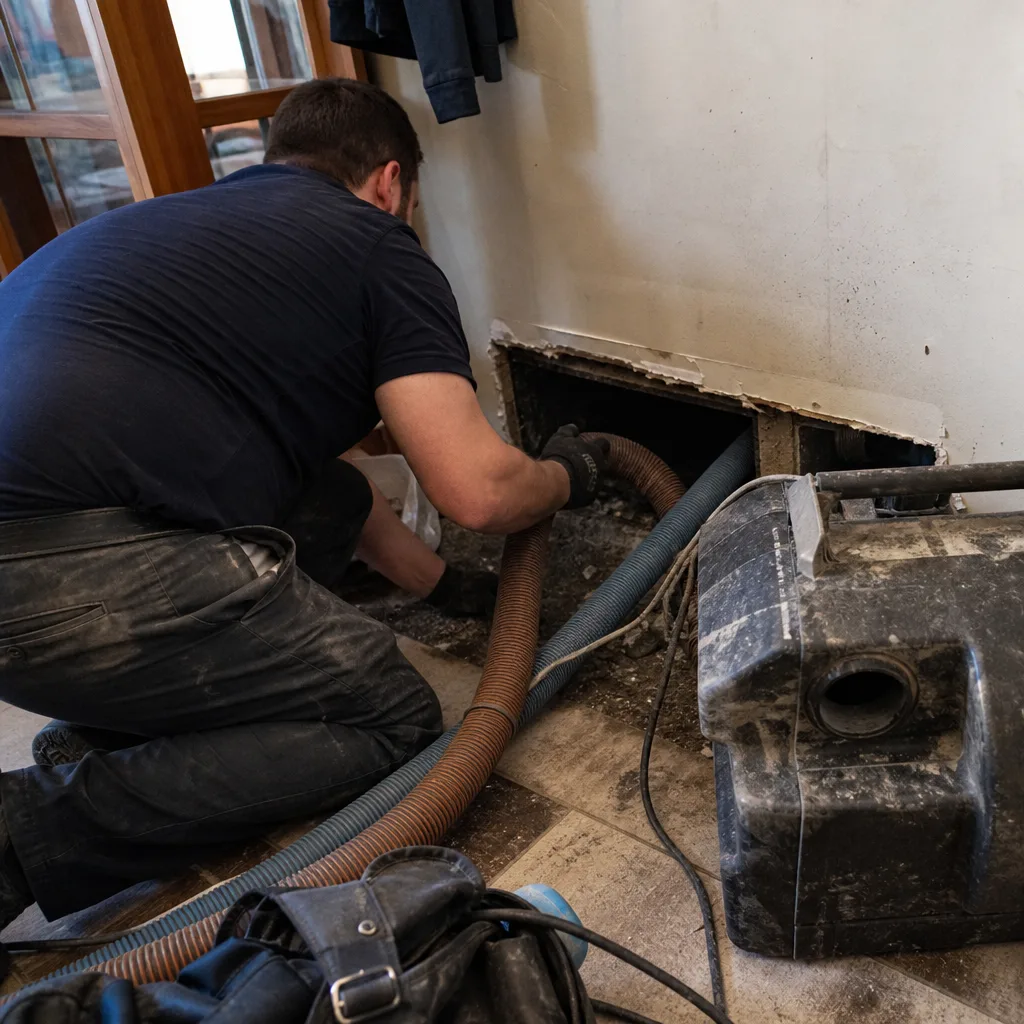 Before
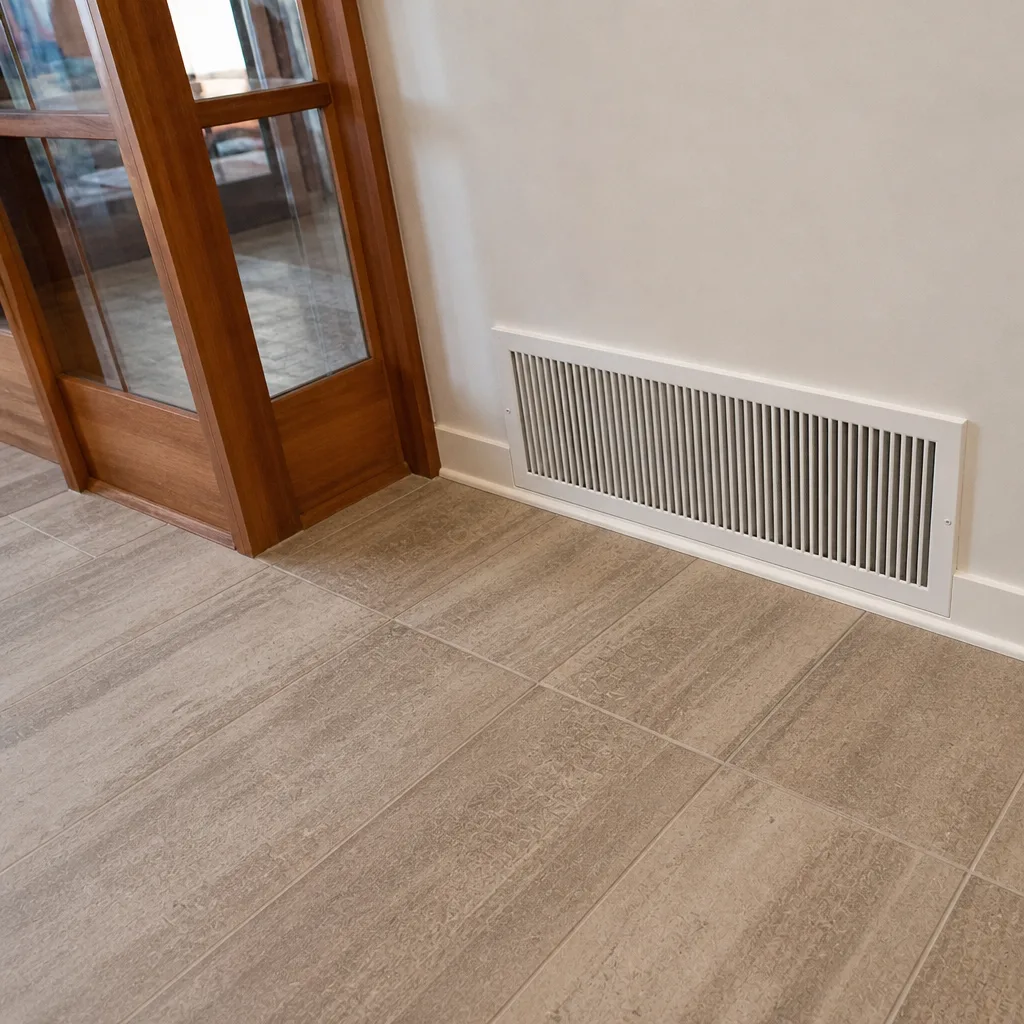 After
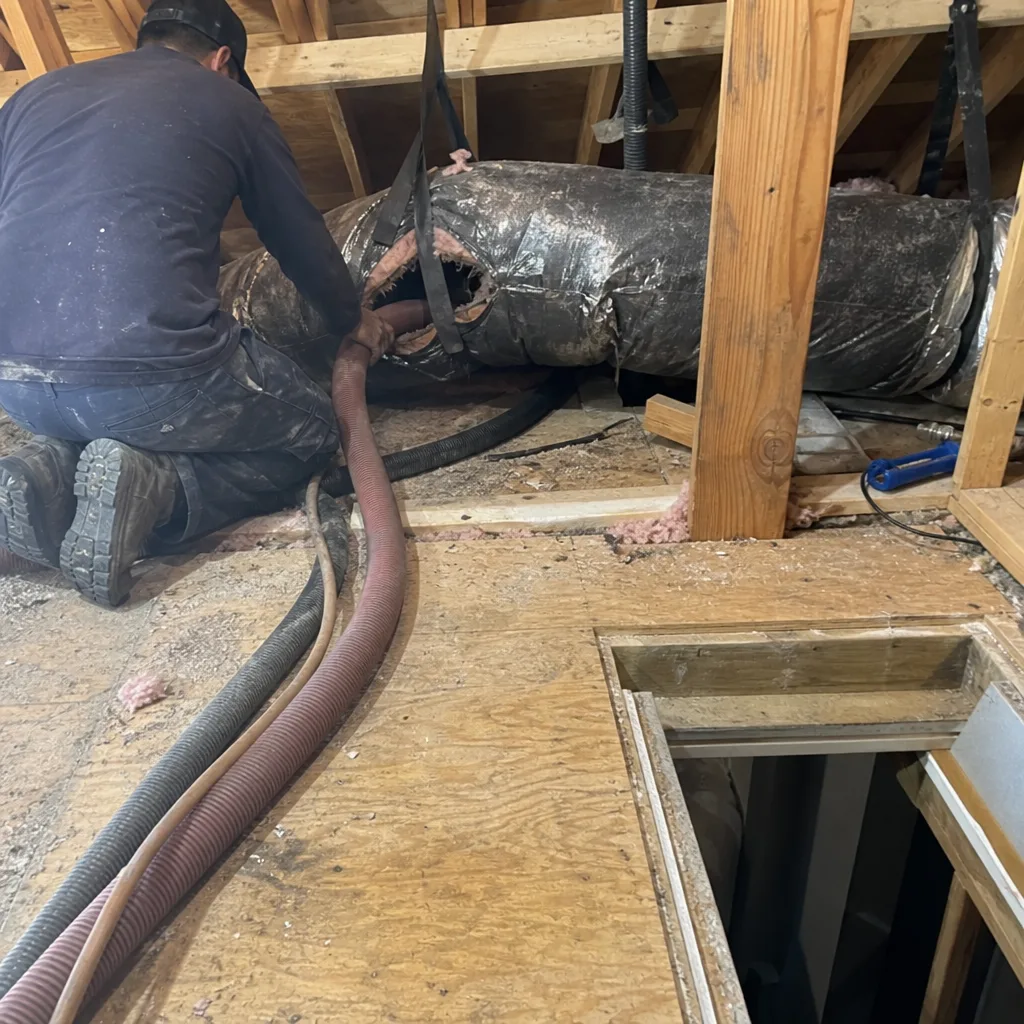 Before
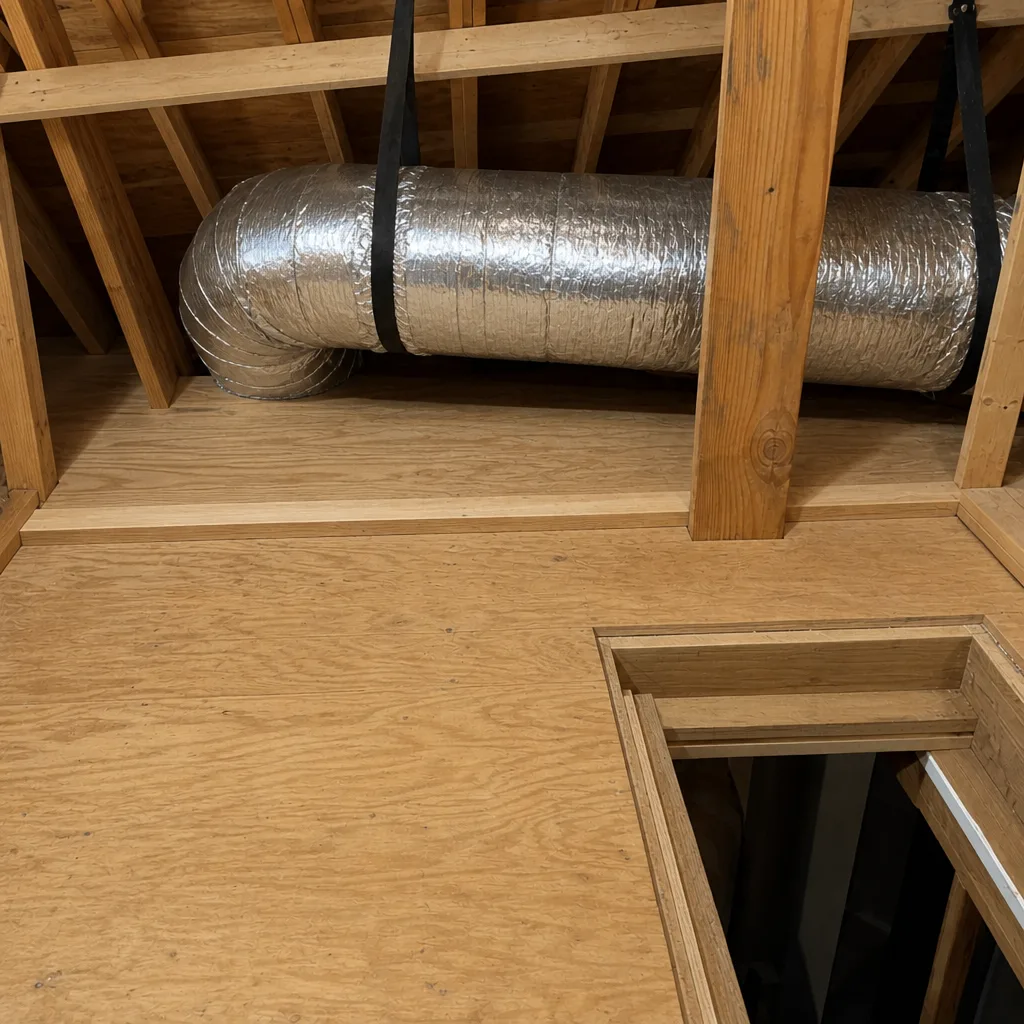 After
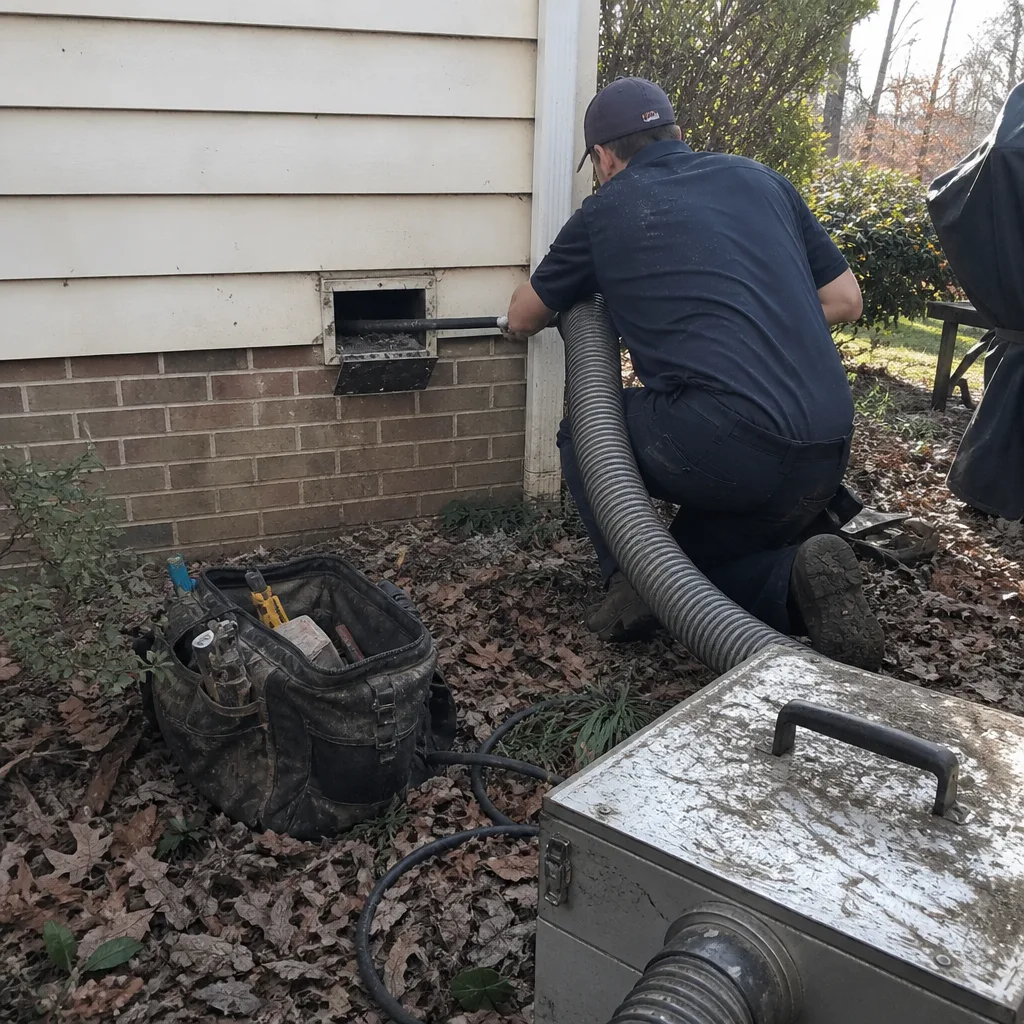 Before
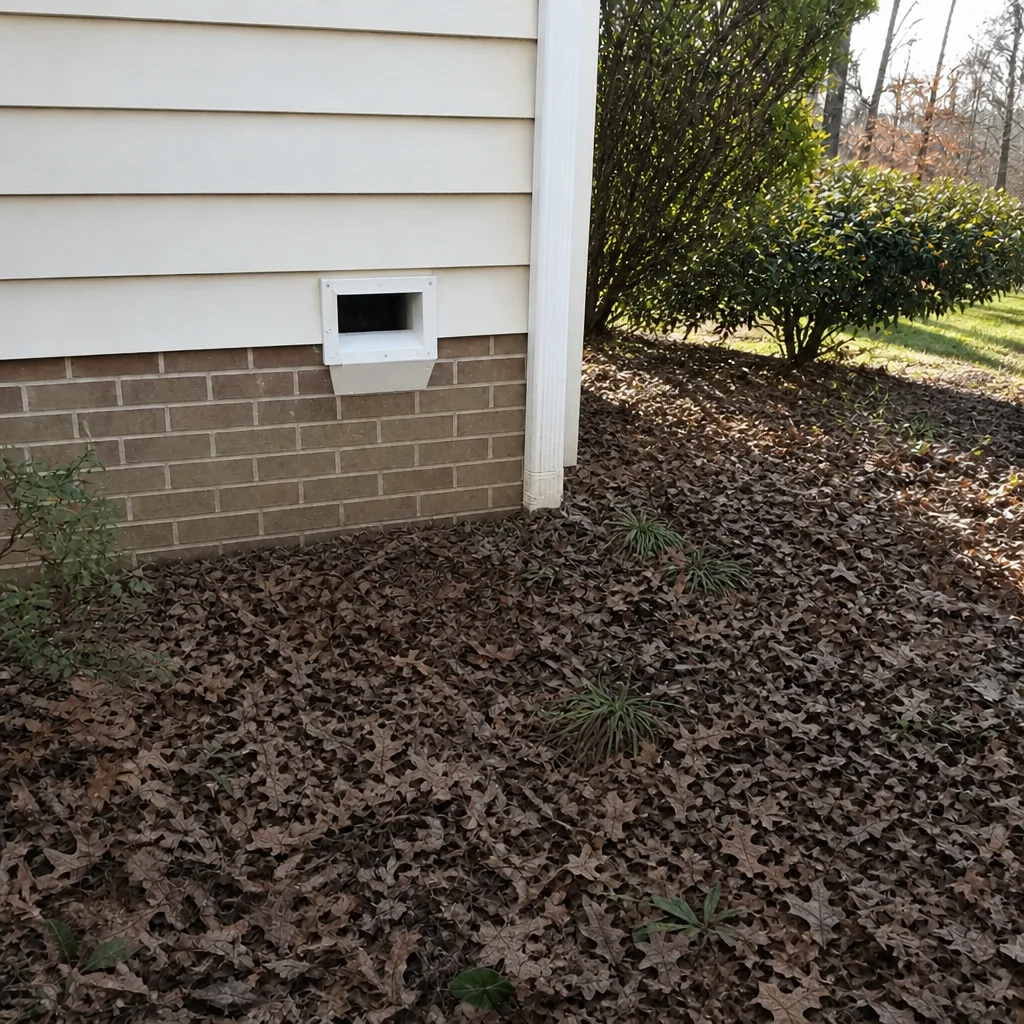 After
When to Call a Professional
Call a professional if any of these are true: the home has had renovation activity in the last 18-24 months; there’s evidence of rodents in the attic, walls, or ducts; there’s been a water intrusion event that may have affected the system; you see or smell mold at any register; the dryer is taking longer than it used to; any duct visually appears damaged or disconnected; or your family is experiencing allergic symptoms that worsen at home with no other obvious explanation. Duct Cleaning Greensboro offers free estimates in Greensboro – call (833) 968-4577. Our technicians have up to 12 years of experience, and we use professional-grade Rotobrush and Nikro equipment on every job, plus a Guardsman-grade finish to protect the cleaned surfaces. We clean it. We repair it. We protect it.
Frequently Asked Questions
Professional air duct cleaning in Greensboro is priced per system, not per vent, and the written estimate sets the final price before any work begins. Call (833) 968-4577 – the estimate is free, and it’s the straightest answer to the question.
No, a shop vac can’t clean duct interiors safely – it can reach about 18 inches from a register opening, and the exhaust carries fine dust back into the room instead of out. Legitimate DIY tasks are register cover cleaning, filter changes, and return grille vacuuming. Anything beyond those needs professional equipment.
Cheap quotes usually reflect a process that skips the parts of the job that matter: no HEPA containment, no before-and-after photos, no protective finish, and sometimes per-vent pricing that balloons once a technician is on site. Ask specifically what equipment they use and whether they include photographic documentation. If the answers are vague, the price reflects the process. Call (833) 968-4577 if you want a written estimate you can read before agreeing.
Legitimate work includes before-and-after photos of the register openings and, where feasible, the duct interiors – and the photos should be of your specific system, taken during the actual cleaning, not stock images. Ask any service you’re considering to confirm they document the work photographically. If they can’t or won’t, the process is worth questioning.
Most homes in Greensboro need duct cleaning every 5 to 7 years under normal conditions, and sooner if there’s been a renovation, water intrusion, or rodent activity – those are contamination events, not maintenance cycles. Homes with allergy-sensitive occupants sometimes benefit from a shorter interval, and homes with pets or heavy pollen exposure can also justify a shorter schedule. Call (833) 968-4577 for an estimate tailored to your system’s actual condition rather than a generic interval.
Dryer vents have their own logic and shouldn’t be treated as part of duct cleaning or as an add-on. For Greensboro homes, professional dryer vent cleaning uses dedicated agitation and extraction tools that reach the full run behind the wall. DYI can handle the visible hose and the outside flap – it can’t reliably clean the run inside the wall, which is where the fire risk concentrates. Dryer vent safety is a real concern, not a footnote. Call (833) 968-4577 to book it as its own service.
The Bottom Line
Legitimate DIY duct maintenance is real: register covers, filters, return grille cleaning, and documentation. Everything beyond that reaches the boundary where the physics work against the homeowner – a shop vac can’t contain what it disturbs, and a rental unit can’t match the pressure, volume, or filtration of the professional systems from Rotobrush and Nikro that the work was designed around. If your Greensboro home has known contamination (renovation dust, rodent evidence, water intrusion, visible mold), the decision is straightforward: professional cleaning, with proper HEPA containment followed by a protective finish and, where needed, repair. The cost-to-risk calculation favors professional work when contamination is confirmed and favors DIY only for the maintenance tasks listed above. Know which side of the line you’re on, and worth deciding based on process, not price.
If you’re unsure which side your home falls on, the fastest path is a free estimate. Call Duct Cleaning Greensboro at (833) 968-4577. We answer 24/7. Fast dispatch from 7am to 7pm, Sunday through Friday. We’ll walk through your system’s condition, tell you honestly what needs doing, and put the price in writing before any work starts – one flat price per system, no per-vent games, with before-and-after photos of your own ducts when we finish.
For the full range of what we do, explore Duct Cleaning Greensboro and the three services we focus on: air duct cleaning, dryer vent cleaning, and air duct repair. Each one is performed with professional equipment, and the standard doesn’t change between them.
Written by the team at Duct Cleaning Greensboro.