
Last updated November 16, 2026
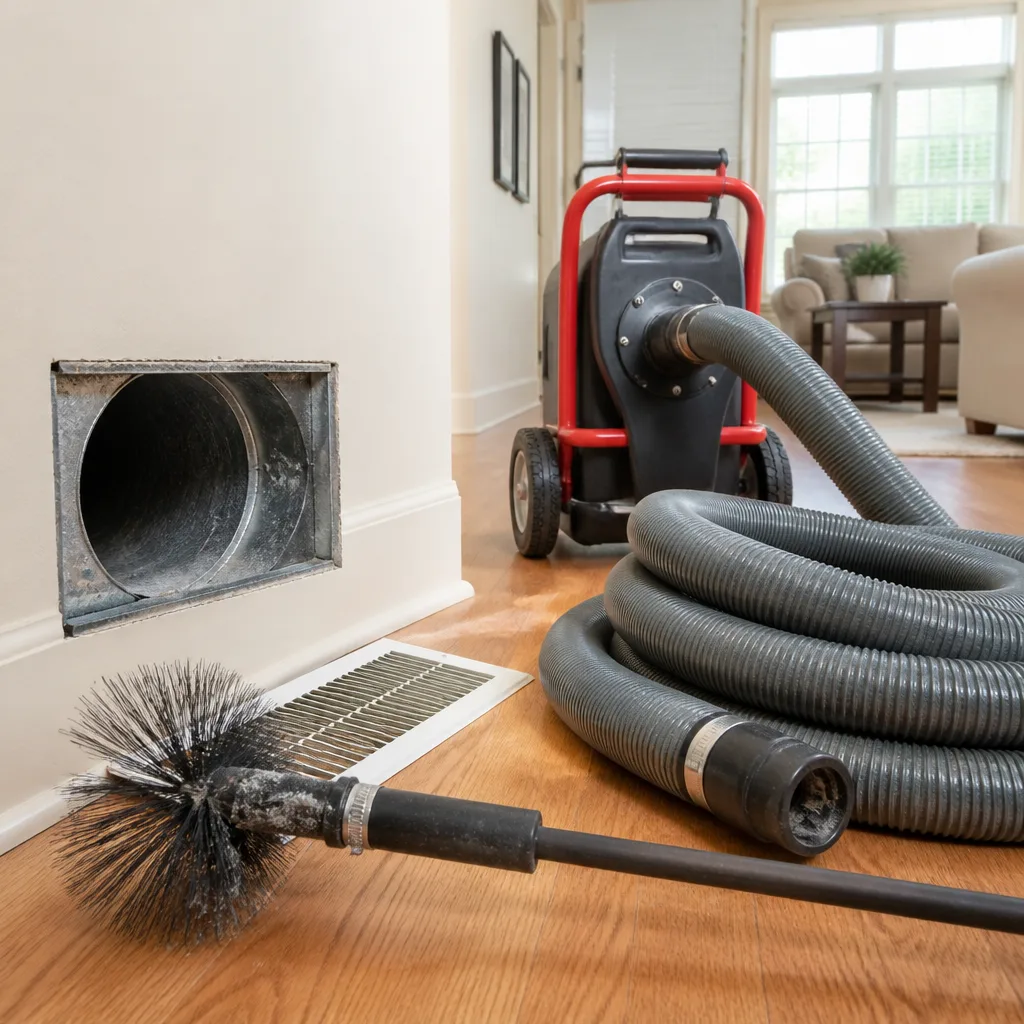 Whole-home duct cleaning
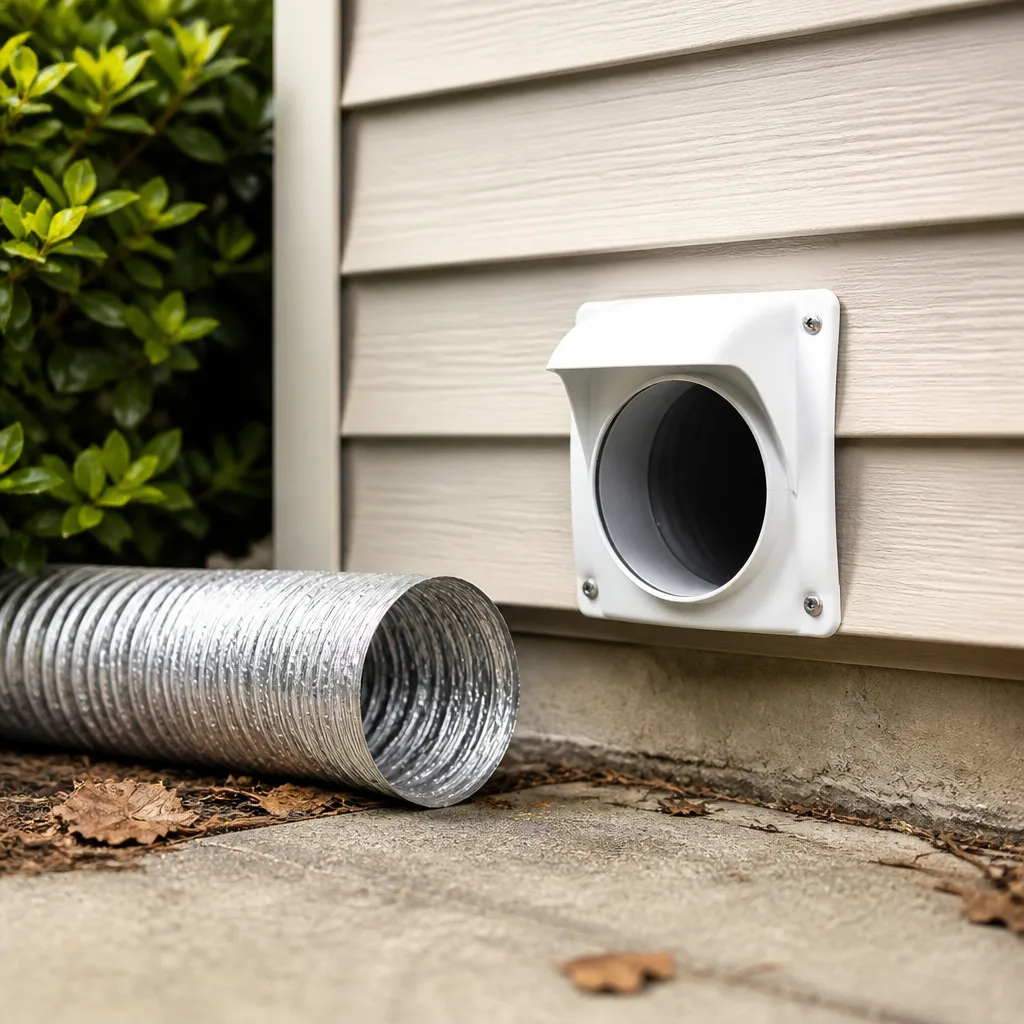 Dryer vent cleaning
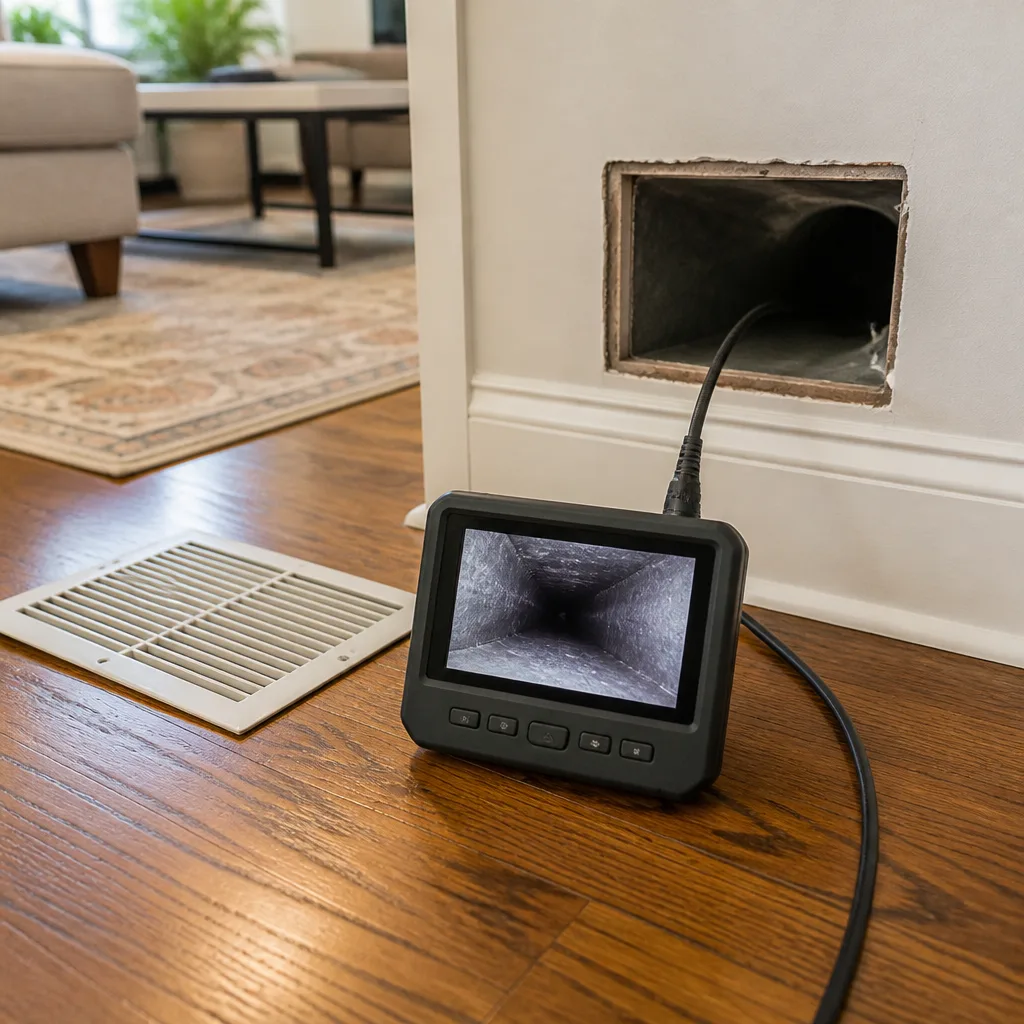 Camera inspection
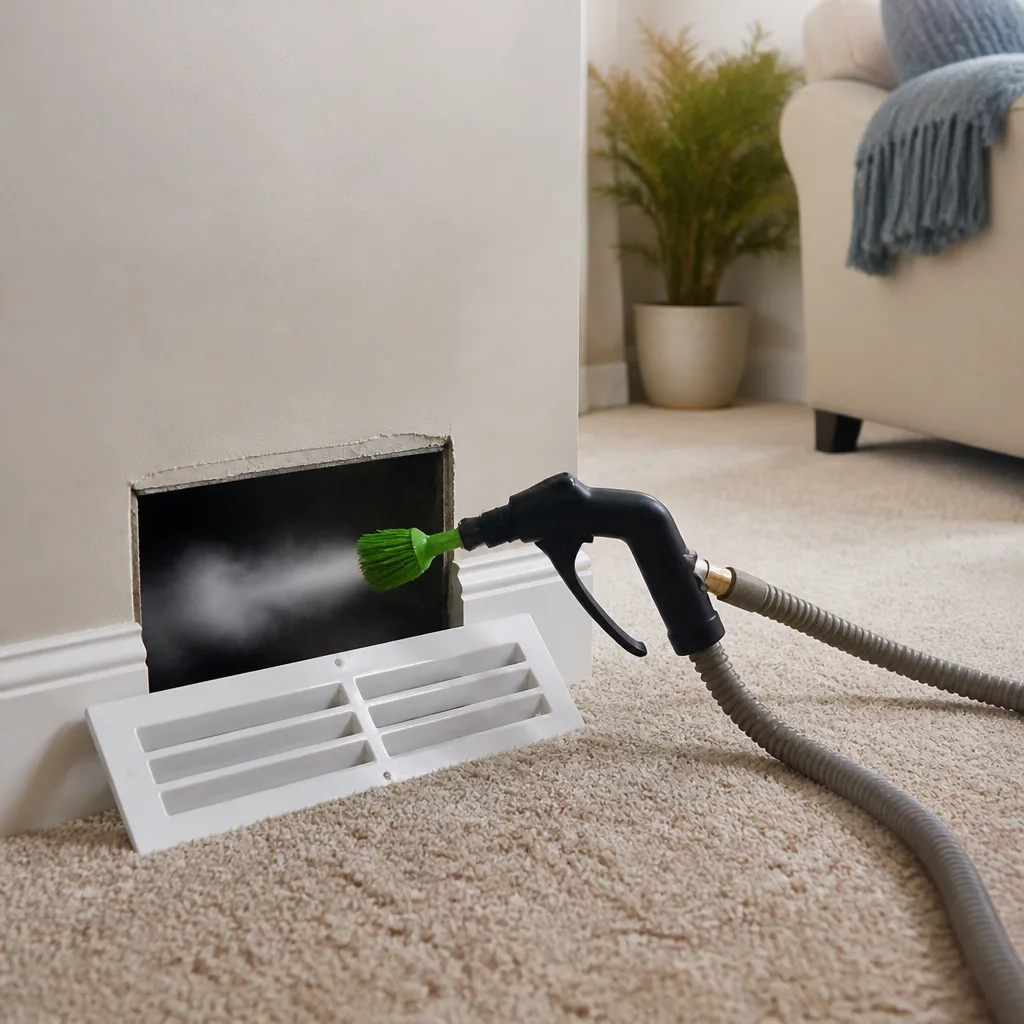 Sanitizing & deodorizing
Whole-system duct and dryer vent check with before-and-after photos - you see exactly what came out of your vents
That "$99 whole-house special" is a bait ad - the real number appears once they are in your hallway, or the "clean" is a shop-vac at the register. We photograph the inside of your ducts before and after instead.
Air Duct Cleaning Emergency Preparedness Guide for Greensboro Homes
Most Greensboro homeowners have a hurricane kit and a plan for ice storms. Very few have a plan for their ductwork. That’s the gap. A flooded crawlspace, a summer wildfire plume pushing smoke across the Piedmont, a kitchen remodel, or a cold snap that sends mice into the walls all leave contamination behind in the one system that touches every room of the house. Standing water dries. Ductwork keeps circulating what settled inside it. This guide walks through the emergencies most likely to hit Guilford County homes and what your duct system actually needs afterward, in the order it needs it. It’s written for Greensboro families and property managers who want a process, not a coupon.
Quick Answer
After a flood, fire, smoke event, renovation, or rodent intrusion, your ducts need assessment before cleaning, and the assessment step matters more than the cleaning step. Determine which sections are salvageable versus saturated or damaged, document the condition for insurance, then clean the whole system with professional-grade equipment. A filter swap alone does not clear a contaminated duct system, and cleaning before pest exclusion is wasted money. The correct order is always: stop the source, document, assess, then clean and repair.
Styles & brands we work with
- Whole-home duct cleaning
- Dryer vent cleaning
- Camera inspection
- Sanitizing & deodorizing
Table of Contents
- Post-Flooding Protocol: What Can Be Saved and What Can’t
- Wildfire and Smoke Events: Why Filters Aren’t Enough
- Post-Renovation Contamination: The Construction Dust Problem
- Rodent Intrusion After a Cold Snap: Sequence Matters
- Documenting Duct Damage for a North Carolina Insurance Claim
- Building a Duct Emergency Kit Before Anything Happens
- Common Mistakes to Avoid
- When to Call a Professional
Post-Flooding Protocol: What Can Be Saved and What Can’t
Flex duct that has been submerged or saturated almost always needs replacement. Sheet metal trunk lines and rigid ductwork can often be cleaned, dried, and disinfected if the water was clean and the drying happens quickly. The single fastest way to ruin a recoverable duct system is to run the HVAC before it’s dry, which pushes moisture and whatever it’s carrying into every branch. That’s why the inspection sequence below exists, and why we don’t start cleaning until it’s complete.
Greensboro sees its heaviest flooding risk in low-lying pockets near creeks and in older neighborhoods where crawlspace drainage is imperfect. After a storm like that, the crawlspace is usually the first place water shows up and the last place homeowners check.
The Inspection Sequence That Decides Salvage vs. Replacement
- Shut the system down. Turn off the air handler and don’t run the fan. Moving air through wet ductwork spreads contamination.
- Locate all water intrusion points. Walk the crawlspace, attic, and any basement. Note where water entered, how high it stood, and how long it likely sat.
- Map the duct layout. Identify which sections are flex duct versus rigid metal, and which branches sit lowest in the system.
- Inspect flex duct first. Look for sagging, water staining, collapsed sections, and visible mold growth. Saturated flex is a replacement item, not a cleaning project.
- Inspect rigid metal duct. Check for standing water, sediment, rust, and interior condensation. Surface staining alone isn’t a replacement trigger, but rust-through and standing water usually are.
- Check the air handler and coil. Water in the cabinet means the coil and blower need attention as well.
- Document everything. Photographs of every affected section, with a written narrative of the intrusion, are what an insurance adjuster needs.
If more than one duct section fails inspection, the conversation is about replacement of those sections plus cleaning of the rest of the system. We handle air duct cleaning and repair as separate but connected services, which matters after a flood, because the job rarely ends at cleaning.
Wildfire and Smoke Events: Why Filters Aren’t Enough
Smoke enters a home through return-side leaks, not just open windows. Every gap in a return plenum, every poorly sealed register boot, every loose flex connection pulls smoke-laden air into the duct system and then distributes it to bedrooms, living rooms, and closets. Replacing the filter helps, but it only catches what reaches the filter. The particulates that settle on duct interiors stay there and re-suspend every time the blower runs. In our experience, homes that sit through a smoke event and only swap filters tend to notice the smell coming back for weeks.
Greensboro is far enough inland that coastal smoke plumes from regional fires still drift over the Piedmont during dry summers. The haze is lighter than what coastal towns get, but it’s enough to load up a return system. That’s why homeowners here should treat a smoke event as a duct inspection trigger, not just a filter change.
The Cleaning Sequence That Actually Clears Smoke
- Seal the returns first. Any leak on the return side pulls smoke into the system. Sealing happens before cleaning, not after.
- Clean under negative pressure. Professional equipment like the Rotobrush and Nikro systems we use is built to capture dislodged particulate instead of redistributing it into the room.
- Treat the plenum and air handler cabinet. These areas collect smoke residue that never reaches a filter.
- Apply a finishing product. Guardsman-backed protection products extend the cleanliness of treated duct interiors and stop re-deposition between cleanings.
- Upgrade filtration carefully. Homes with Honeywell or Aprilaire filter systems can step up to a higher MERV rating, but the fan and duct static pressure need to support it. Don’t just drop in the highest-rated filter you can find.
Filter replacement alone is a small part of the answer. The other four steps are what clears the system. When we work around Honeywell, Aprilaire, and Abatement Technologies air quality systems, that whole-system view is usually what the situation calls for.
Post-Renovation Contamination: The Construction Dust Problem
Renovation dust is not the same as house dust. Drywall compound produces a fine alkaline powder that sticks to duct interiors and clings to surfaces. Fiberglass insulation from walls and subfloor work produces tiny glass fibers that lodge in flex duct corrugations. Sawdust from rough framing and trim work is heavier and settles into low spots. Run the HVAC during a remodel without covering the registers, and all three end up distributed across the whole system, and stay there long after the crew packs up.
Greensboro has a steady stream of renovation work in older neighborhoods where homes were built before modern return-air design. Those homes often have returns in hallway floors or low on walls, right in the path of demo dust.
Why Runtime Flushing Fails
Running the system to “flush out” construction dust does the opposite. It pulls the dust into the duct system and pushes it into every room. Alkaline drywall powder can also settle onto the evaporator coil and hold moisture, which leads to a musty smell, growth on the coil, and reduced cooling performance. Fiberglass fibers in flex duct corrugations are notoriously hard to dislodge without mechanical agitation, which is why professional extraction with a purpose-built tool like a Rotobrush or Nikro system is the only reliable answer.
The Right Way to Handle It
- Before demo starts: cover every supply and return register with a tight plastic seal. This is the single most effective step and costs almost nothing.
- During renovation: run the HVAC as little as possible, and change the filter frequently.
- After renovation: replace the filter, then schedule a full duct cleaning to remove what got in anyway.
- Inspect the coil: if the system didn’t run adequately or won’t cool properly afterward, have the coil checked for contamination.
- Consider a finishing treatment: Guardsman-grade products applied post-cleaning help prevent residues from collecting too quickly.
If you’re midway through a project and haven’t started yet, cover the registers today. If the dust is already in, you’ll need cleaning, and possibly air duct cleaning is a better starting point than you think, because that’s where the contamination sits.
Rodent Intrusion After a Cold Snap: Sequence Matters
A cold snap in Greensboro sends mice and sometimes squirrels looking for warmth, and the duct system, especially in crawlspaces and attics, looks like a warm hallway to a small animal. When they get in, they leave droppings, urine, nesting material, and hair distributed through the ducts. What surprises homeowners is how bad the sequence can get. Cleaning first and then calling a pest company means the mice come right back and re-contaminate the freshly cleaned ductwork. Cleaning without disposal of the animal waste first means dislodged droppings are pushed airborne, and some of that comes out of your supply registers.
Here’s the order that works, and the order we recommend to every Greensboro homeowner who calls us about an animal in the ducts:
- Pest exclusion first. A licensed pest control company seals the entry points, sets traps and bait as appropriate, and confirms the animals are out. No cleaning happens until this is done.
- Contamination assessment. Once exclusion is confirmed, a trained technician inspects the system. Rodent waste is a genuine health concern, so this step should be done with proper protective equipment. Damaged or heavily soiled flex runs are typically removed and replaced, not just cleaned.
- Sanitizing cleaning. The remaining ductwork is cleaned under negative pressure, disinfected, and dried before the system is put back into service.
- Repair. Any chewed flex, damaged insulation, or compromised connections get repaired in the same visit. This is why we’re set up for air duct cleaning and repair as one coordinated service instead of two separate contractor calls.
- Finishing treatment. A Guardsman-backed product is applied to help protect the cleaned system.
Reversing any of these steps usually means paying for the same work twice. The order matters, and it’s not negotiable.
Documenting Duct Damage for a North Carolina Insurance Claim
Insurance adjusters don’t accept “the ducts were dirty” as a covered loss. They respond to specific documentation that connects the event (a flood, a fire, a smoke event, a mold issue traced to a covered cause) to a measurable effect on the duct system. If you want the work covered, it needs records before the cleaning crew shows up. In our experience, homeowners who document thoroughly get substantially smoother claim outcomes than those who call after the cleaning is done.
North Carolina homeowner policies vary on what qualifies for duct cleaning after a covered event, so read the policy or ask your adjuster directly. The documentation below is what supports the conversation either way.
What to Photograph Before Any Work Starts
- Every register in the home, with the grille removed and the duct interior visible.
- The air handler cabinet, with the access panel off and the interior visible.
- The evaporator coil area if accessible.
- Any visible water intrusion points in crawlspace or attic.
- Any visible mold growth, and a close-up for scale.
- Rodent droppings, nesting material, or chewed duct material, with a reference object for scale.
- A wide shot of the crawlspace and attic duct layout showing overall condition.
What Written Records Should Include
- Date and time of the loss event and date of the inspection.
- The specific street address and section-by-section condition notes.
- Which duct sections are salvageable and which are recommended for replacement, with the reasoning.
- A description of the intrusion path (how water, smoke, or animals entered the duct system).
- Recommended scope of work and estimated cost.
A written report from a technician with up to 12 years of experience reading duct systems carries far more weight than a homeowner’s note. Ask for it before work begins, and keep a copy.
Building a Duct Emergency Kit Before Anything Happens
The best time to prepare for a duct emergency is before the emergency. A few cheap steps done in advance save hours and hundreds of dollars after. Every Greensboro home should have these in place, and every property manager we work with should be able to walk into any unit and know the duct layout without thinking about it.
Physical Prep
- A sealed record of the duct layout: a hand-drawn map or a photograph of the crawlspace and attic duct routing stored with your home records.
- Tight-fitting plastic and tape to seal registers before any renovation.
- A stash of the correct filter size for your system, kept dry.
- A phone number for a pest control company you trust.
- A phone number for a duct cleaning and repair specialist who will inspect before cleaning.
Knowledge Prep
- Know where your air handler shut-off is and how to kill power to it in an emergency.
- Know whether your duct system is flex, rigid metal, or a mix. This determines your response after a flood.
- Know whether your return registers are low or high, and whether they sit near areas prone to flooding.
- Know what your evaporator coil looks like clean, so you’ll recognize when it isn’t.
Preparedness, for a Greensboro homeowner, is really about ten minutes of looking around your own crawlspace and taking five photographs. That’s the whole task. Homes in target areas of Greensboro that flood or sit in the path of regional smoke events benefit most from having this record on hand.
Common Mistakes to Avoid
- Cleaning before pest exclusion. Cleaning a rodent-contaminated system before the animals are removed just gives them a fresh space to re-soil. Get the exclusion confirmed in writing first, then clean.
- Running the HVAC after a flood. Running the fan through wet ductwork spreads moisture and contamination through the entire house. Turn it off and keep it off until the system is inspected.
- Only swapping the filter after a smoke event. Filters catch what reaches them. Smoke residue in the duct interiors keeps re-suspending every time the blower runs.
- Renovating without covering registers. The single cheapest step in the whole process is a plastic sheet taped over each register before demo starts. Skipping it turns a small cleaning job into a full-system extraction.
- No documentation until after cleaning. Insurance adjusters want to see the condition before the work is done. Photograph everything first, even if you’re not sure you’ll file a claim.
- Trusting a consumer-grade vacuum. A repurposed shop vac doesn’t create the negative pressure or mechanical agitation needed to dislodge settled contamination. Professional equipment like Rotobrush and Nikro systems is built for this job specifically, and the difference shows in the result.
- Assuming one visit fixes every problem. Post-flood and post-rodent jobs often require cleaning plus repair. Plan for both, and prefer a company that does both well to a company that outsources one of them.
When to Call a Professional
Call a professional duct specialist if any of the following is true. After a flood that reached the crawlspace or any duct run. After a fire or smoke event where the HVAC ran during or after. After a renovation where registers weren’t sealed during demo. After any sign of rodent activity in the house, once pest exclusion is complete. After any change in system performance: weaker airflow, musty smells, visible dust blowing from supply registers, or a dryer taking longer than usual to finish a load. Or if you simply don’t know the last time the system was cleaned.
Duct Cleaning Greensboro offers free estimates in Greensboro. We clean it, we repair it, and we protect it. To talk through your situation and get an honest assessment before anything gets cleaned, call (833) 968-4577. We answer 24/7. Fast dispatch from 7am to 7pm, Sunday through Friday. Estimates are free, and the price is set per job by the written estimate so you know what you’re paying before we start.
If your situation involves smoke or contamination that keeps re-appearing, dryer venting that isn’t working right, or damage discovered after the ducts are opened up, we also handle dryer vent cleaning and duct repair. One call covers all three.
See the difference
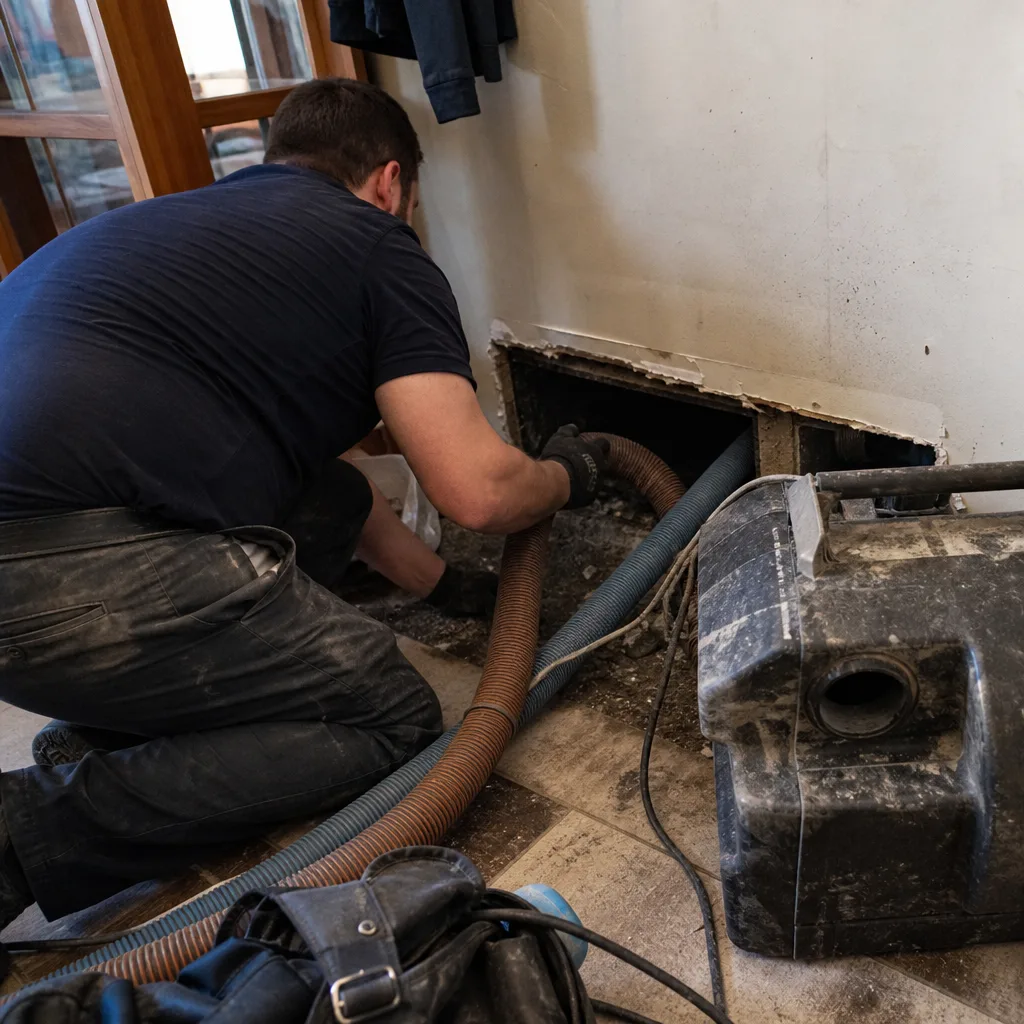 Before
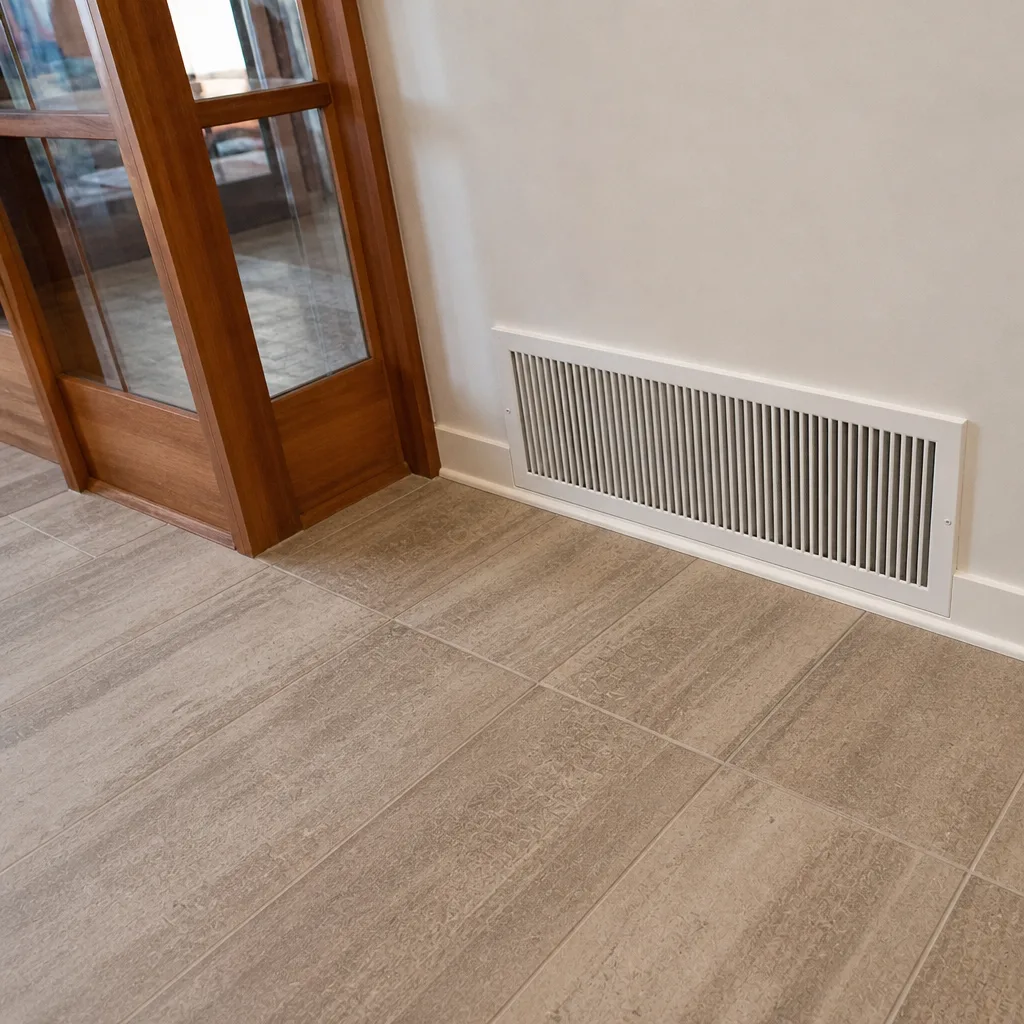 After
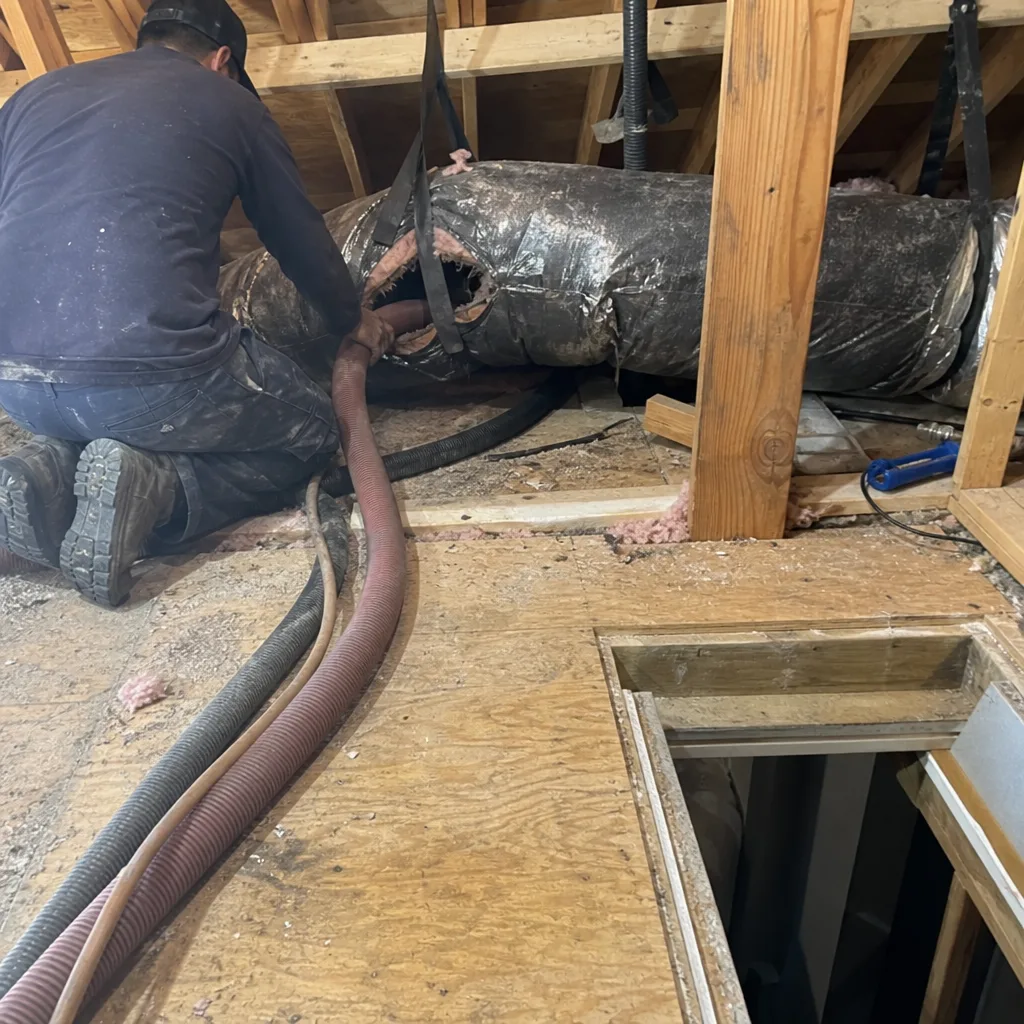 Before
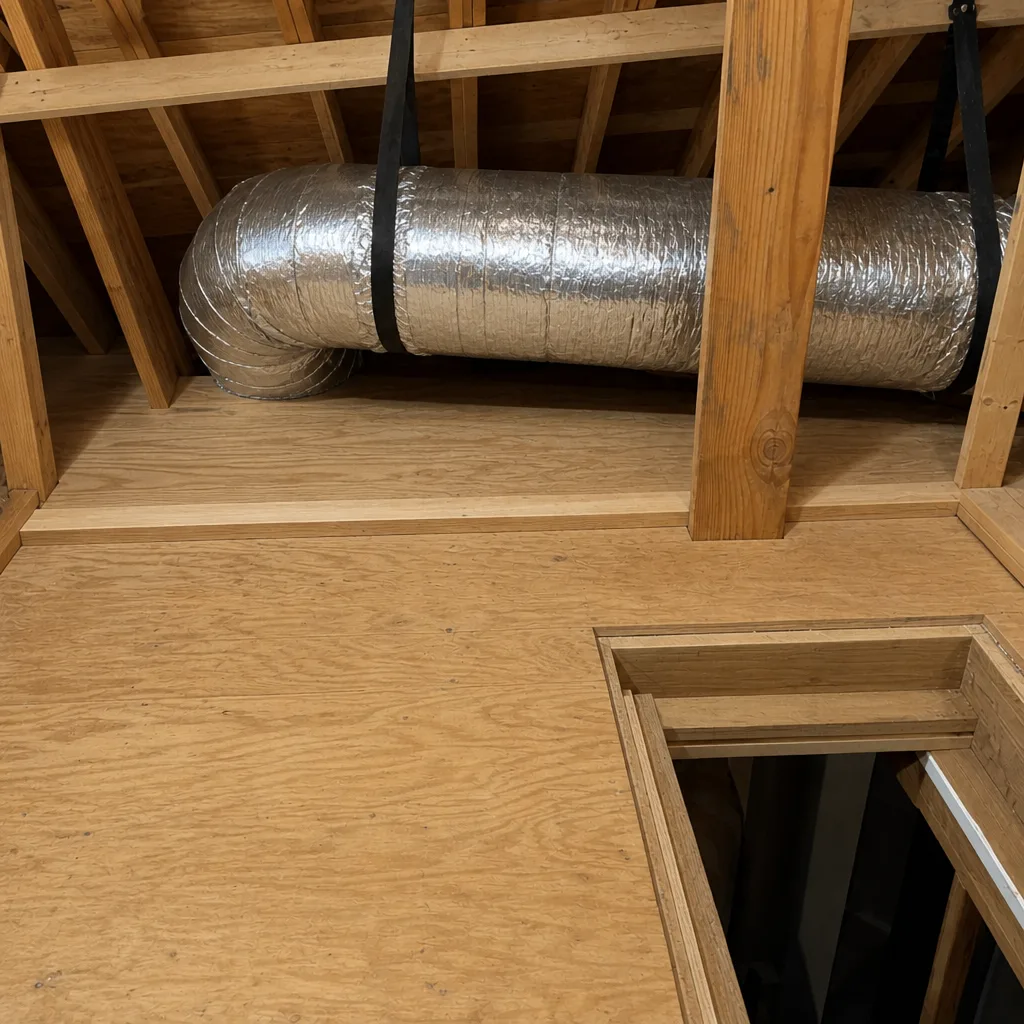 After
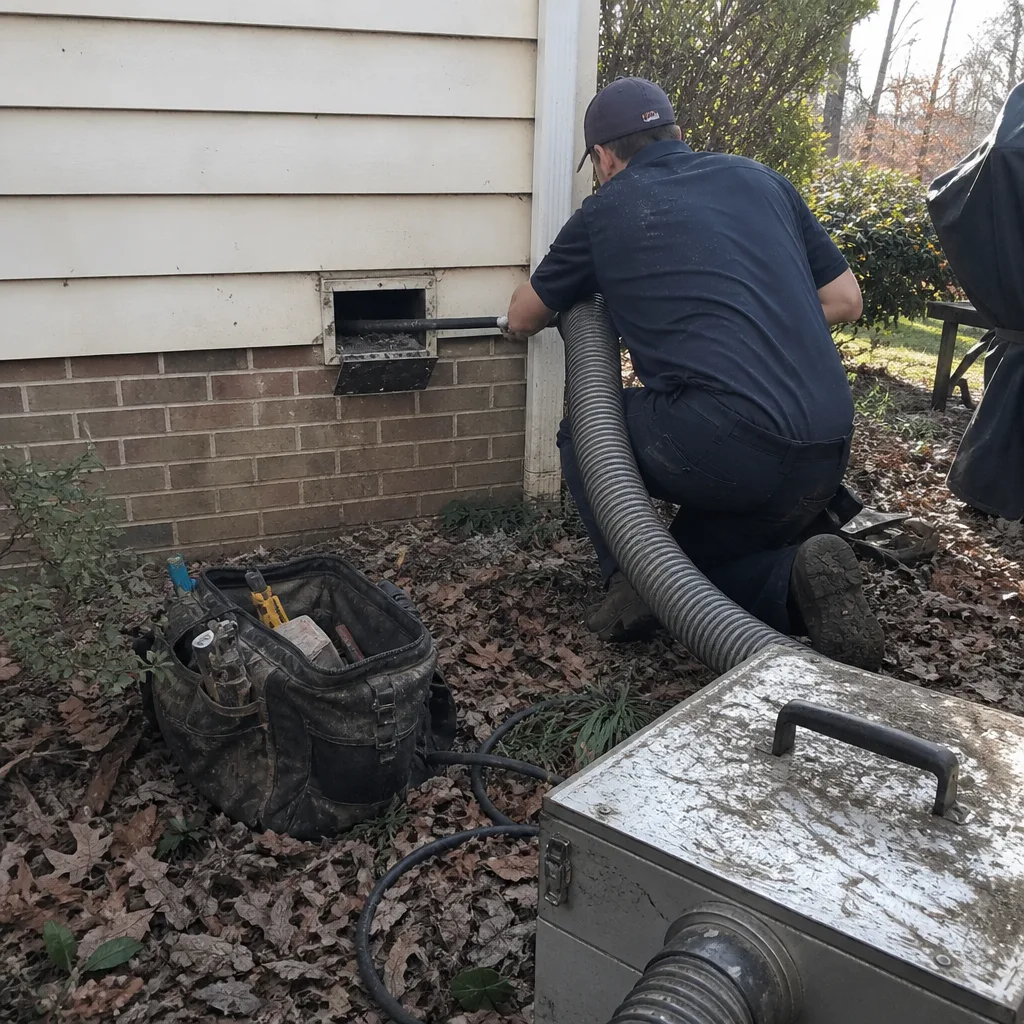 Before
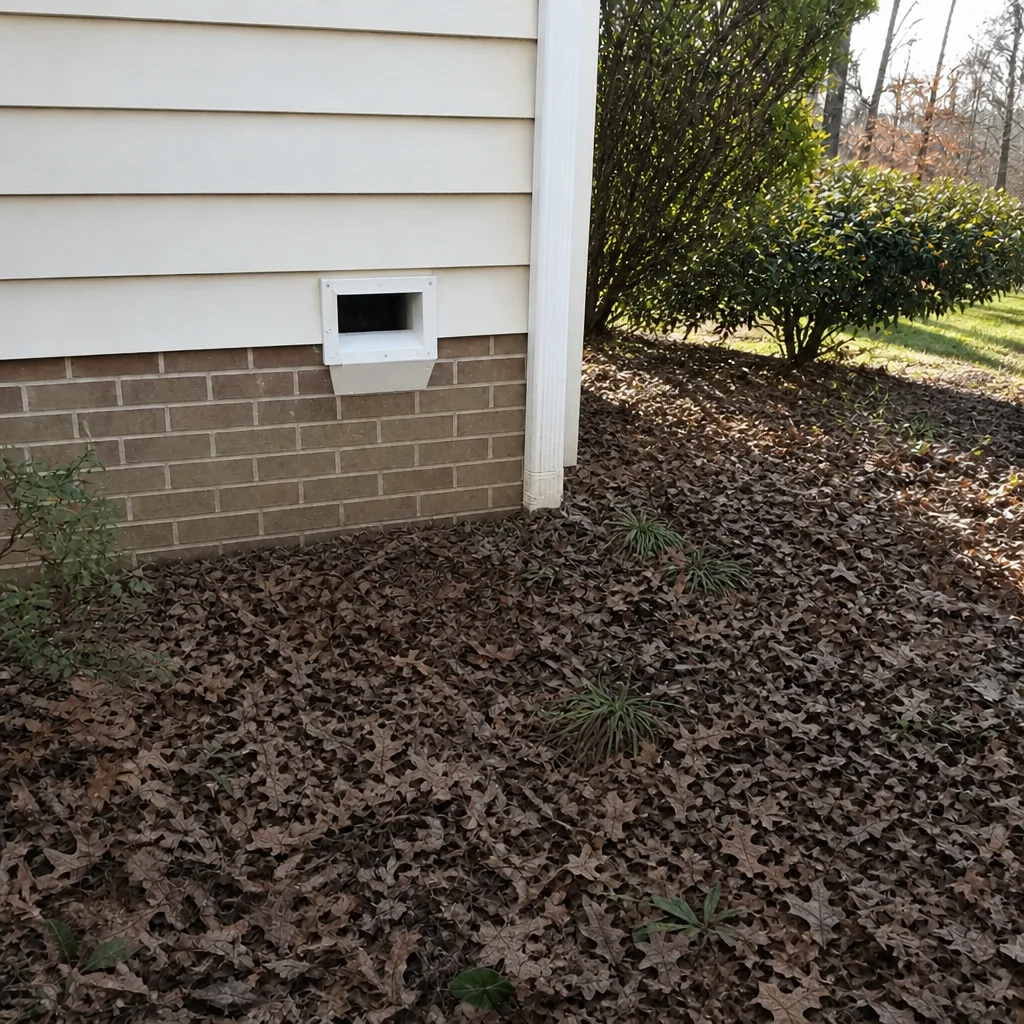 After
Frequently Asked Questions
Within a few days, once the standing water has been pumped out and safe access is possible. Mold can start developing in saturated flex duct within 24 to 48 hours, and drying delays turn a salvageable rigid metal system into a replacement job. Call as soon as the water is out.
It can, depending on the policy and the cause of loss. Flood damage specifically is handled under a separate flood policy, not a standard homeowner policy. Fire, smoke infiltration, and mold traced to a covered event are more likely to qualify. Documentation of the duct condition before cleaning is what makes a claim possible, so photograph everything first and read your policy carefully or ask your adjuster directly.
Yes, because the residue settles on duct interiors and re-suspends every time the blower runs. Replacing the filter helps but doesn’t clean the surfaces. A full cleaning under negative pressure, including the plenum and air handler, is what actually clears it, and a finishing treatment applied afterward keeps it that way longer.
Drywall dust, fiberglass fibers, and sawdust all get pulled into return registers when the HVAC runs during demo. Covering every register before work starts is the single most effective preventive step. Once contamination is in, it needs professional extraction, not runtime flushing.
Usually both. Pest exclusion comes first, then assessment, then cleaning, then repair of any chewed flex or damaged insulation. Reversing that order either wastes money or leaves health hazards behind. A company set up for cleaning and repair together saves you a second contractor call.
Ask for before-and-after photos of your own ducts, with the grilles removed and the interior visible. Ask which equipment was used (Rotobrush and Nikro are purpose-built for duct cleaning). Ask for a written report of what was found and what was cleaned or repaired. If a company can’t or won’t provide all three, that’s the answer you need.
The Bottom Line
Greensboro homeowners prep for the storm but usually forget the ducts. Prep for the ducts too. Understand which duct types survive a flood, seal returns before a smoke event, cover registers before a renovation, call pest control before cleaning after a rodent intrusion, and photograph everything before any work begins for the insurance record. After any of those events, the order of operations is the whole game: assess, document, then clean and repair with professional-grade equipment. We’re here when it’s time, and the estimate is free. Call (833) 968-4577 to talk through what you’re seeing.
Written by the team at Duct Cleaning Greensboro.