
Last updated November 16, 2026
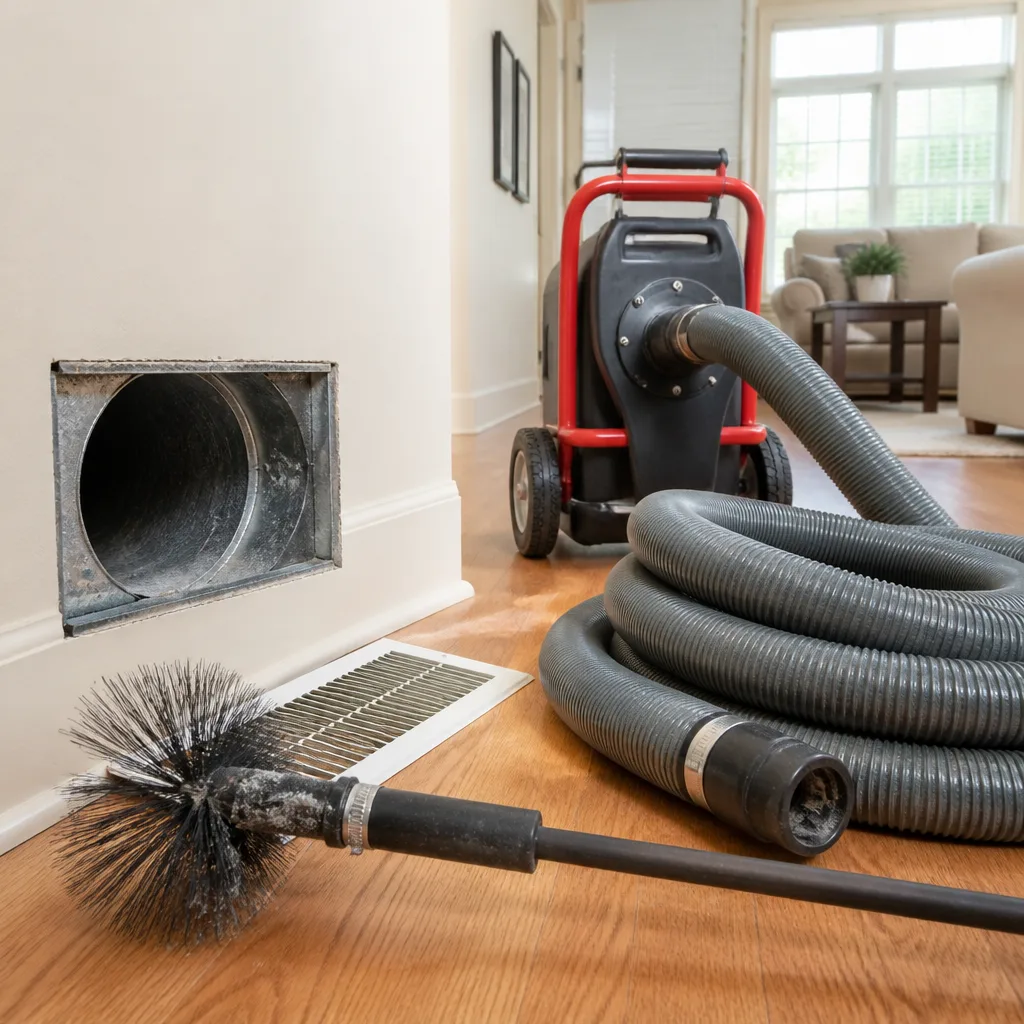 Whole-home duct cleaning
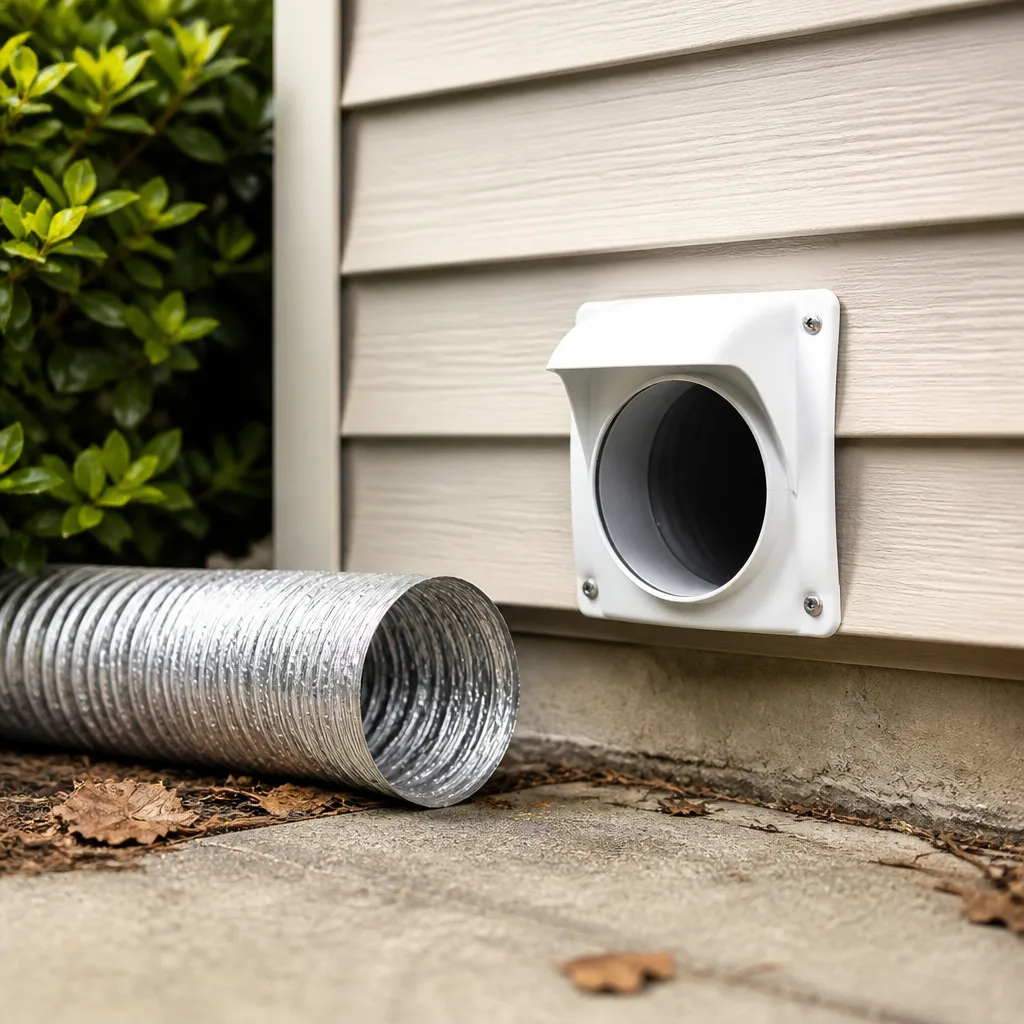 Dryer vent cleaning
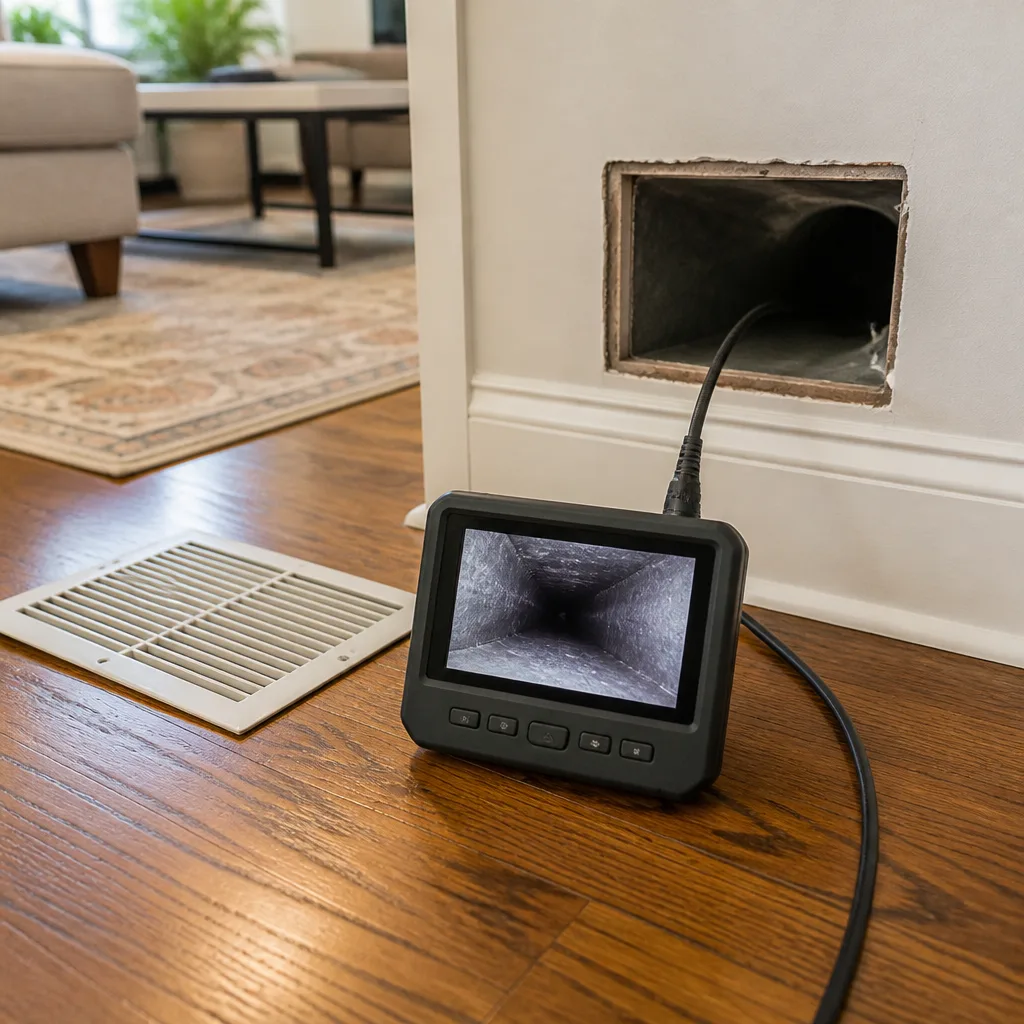 Camera inspection
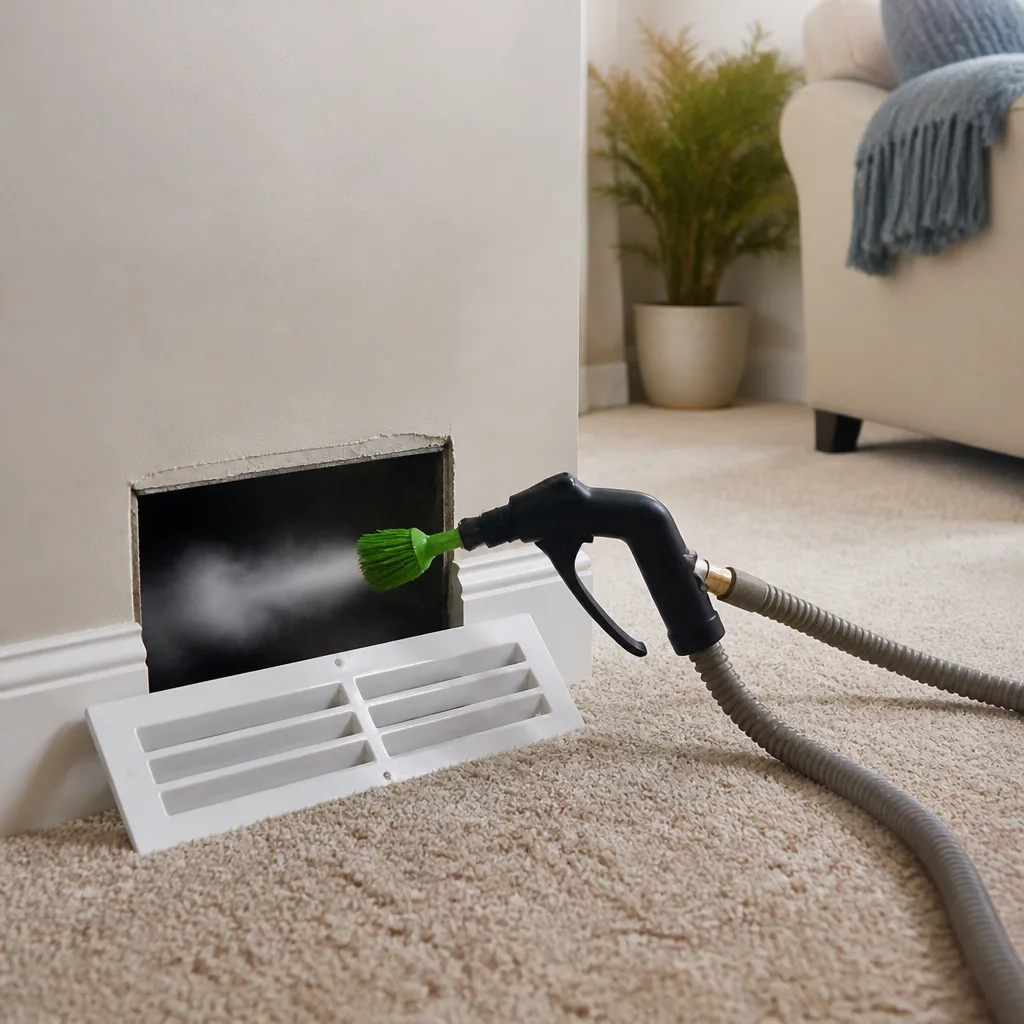 Sanitizing & deodorizing
Whole-system duct and dryer vent check with before-and-after photos - you see exactly what came out of your vents
That "$99 whole-house special" is a bait ad - the real number appears once they are in your hallway, or the "clean" is a shop-vac at the register. We photograph the inside of your ducts before and after instead.
Air Duct Cleaning Maintenance Schedule: What to Do and When
The most repeated advice about duct cleaning is that you should do it every three to five years. It sounds tidy. It also ignores almost everything that actually determines how fast a duct system loads up with dust, dander, and debris. Two houses on the same street in Greensboro can need wildly different schedules because the variables inside them are different: pets, renovation, system age, duct material, and how the household filters the air. This guide replaces the one-size rule with a variable-interval framework you can actually use. You’ll learn what triggers a cleaning, what you can safely do yourself each year, and how to document it all so the next technician can see change over time instead of starting from zero.
Quick Answer
Most Greensboro homes need a full professional duct cleaning roughly every 3 to 5 years, but that baseline should shift based on pets, smokers, recent renovation, allergy sufferers in the home, and whether the ducts are flex or sheet metal. Inspections should happen more often here than in drier climates because the Piedmont humidity profile affects duct interiors. Dryer vents run on a separate schedule entirely, driven by lint load and dryer run time, not a calendar.
Styles & brands we work with
- Whole-home duct cleaning
- Dryer vent cleaning
- Camera inspection
- Sanitizing & deodorizing
Table of Contents
- Why the Standard “Every 3-5 Years” Advice Falls Short
- The Variables That Actually Set Your Interval
- What Greensboro’s Humidity Does to Duct Interiors
- Annual Tasks You Can Do Yourself
- What Requires Professional Equipment
- Dryer Vent Cleaning: A Separate Schedule With Its Own Triggers
- How to Document Cleanings So the Next Tech Can Assess Change
- A Sample Annual Calendar
Why the Standard “Every 3-5 Years” Advice Falls Short
The common three-to-five-year guidance traces back to a framework developed when residential duct systems looked quite different from what’s installed today. Modern high-efficiency air handlers move air at different velocities and pressures than older units. Flex duct construction has become the default in new builds, and it traps and releases debris differently than rigid sheet metal. Add a surge in home renovation activity over the past several years, and a lot of that older guidance stops fitting real houses.
None of this means the three-to-five-year figure is useless. It’s a reasonable starting point. The problem is treating it as a rule instead of a median. In our experience across Greensboro, the homes that genuinely need cleaning closer to the three-year mark tend to share a few traits: multiple pets, a recent kitchen or bath remodel, or an older system with leaky joints. Homes that can stretch beyond five years usually have fewer pets, good filtration, and a sealed duct system that isn’t pulling attic or crawlspace air into the living space.
The practical takeaway is this: use three to five years as your default interval, then adjust it up or down using the variables covered below. If you want to understand what a professional cleaning actually involves before you start scheduling, our air duct cleaning service page walks through the full process step by step.
The Variables That Actually Set Your Interval
Think of your base interval as a starting position, then move it earlier or later based on what’s actually inside your home. The variables below are the ones that show up most consistently in real duct systems.
- Pets. One shedding dog or cat can cut a five-year interval to three. Two or more, especially heavy shedders, can pull it closer to two to three years. Pet dander is sticky and clings to duct walls where a simple airflow won’t move it.
- Smoking indoors. Smoke residue coats duct interiors and combines with dust to form a stubborn film. Households with indoor smoking should treat two to three years as their realistic interval and prioritize filtration.
- Recent renovation. Drywall dust, sawdust, insulation fibers, and construction debris are the single largest driver of sudden duct contamination. A full cleaning after any major renovation is worth doing, even if the ducts were cleaned a year earlier.
- Allergy or asthma sufferers in the home. If someone in the household reacts to dust, an every-two-to-three-year schedule with strong filtration makes daily life more manageable. The ducts aren’t the only factor, but they’re a controllable one.
- Duct material. Flex duct has a corrugated interior that traps debris in its ridges and is harder to clean thoroughly. Sheet metal is smoother and holds up to professional brushing and negative-pressure cleaning better. Homes with extensive flex runs should lean toward the shorter end of the interval.
- System age and sealing. Older systems with leaking joints pull dust from attics and crawlspaces. If your return ducts run through an unconditioned space, that leakage loads the system faster.
- Filtration quality. A well-sealed system running a properly sized filter loads up far more slowly than one with a cheap filter and gaps around the filter slot.
Most Greensboro homes land somewhere between a two-year and a five-year interval once these are added up. When you call for an estimate, describe your household honestly. A technician with up to 12 years of experience can usually tell you within a few minutes whether your system is closer to the short or long end of that range.
What Greensboro’s Humidity Does to Duct Interiors
The Piedmont climate sits in a middle zone: humid summers, mild winters, and enough seasonal swing that duct interiors see real moisture variation through the year. That matters more than most homeowners realize. In drier regions, dust in ducts mostly stays dry and loose. In Greensboro, humid summer air creates conditions where fine dust can cling to duct walls, stick to any condensation that forms on cooler surfaces, and build up a film that a quick blast of air won’t dislodge.
That has two practical effects on your schedule:
- Inspect more often than you’d clean. A visual and airflow inspection every 12 to 18 months catches buildup earlier here than a strict cleaning interval would. Inspections are fast and are the cheapest way to avoid cleaning too early or too late.
- Pay attention to moisture sources. A duct system that stays damp between cycles will grow microbial issues, not just dust. If you notice a musty smell when the system first kicks on, that’s a sign to inspect sooner rather than waiting out your interval. Bath fan exhausts, dryer vents, and any flex duct running through a humid crawlspace all contribute to the moisture load.
This is also why whole-system understanding matters. Working with air quality and filtration systems from brands like Aprilaire and Abatement Technologies means addressing the humidity and filtration side of the equation, not just the dust. A cleaning resets the duct to clean; filtration and moisture control determine how slowly it loads back up.
Annual Tasks You Can Do Yourself
A meaningful part of duct maintenance is genuinely do-it-yourself work. These tasks don’t replace a professional cleaning, but they extend the interval between cleanings and keep small problems from becoming expensive ones. None of them require special equipment.
- Change the filter on schedule. Check the manufacturer’s recommendation and then check the filter itself. In Greensboro’s humid summers, a filter can load faster than expected, so inspect monthly and change based on condition, not just the calendar.
- Clean the supply and return registers. Remove the grilles and wipe them down with a damp cloth. Dust builds up on the vanes and blows back into the room every time the system runs. This is a ten-minute job per register.
- Vacuum around the return grille. The floor or wall around a return pulls in dust and hair that can get drawn into the system. A quick vacuum around each return reduces what enters the duct in the first place.
- Visually check accessible flex duct. In the attic, basement, or crawlspace, look for kinked, crushed, disconnected, or torn flex runs. A crushed duct restricts airflow and a disconnected one dumps conditioned air into the attic. Note what you find for the next technician rather than trying to repair it yourself.
- Watch for tell-tale signs during operation. Listen for whistling at registers, feel for weak airflow in certain rooms, and note any musty odors on startup. These observations feed directly into your documentation (covered below).
- Keep the outdoor unit clear. Trim vegetation and clear debris around the condenser so it can move air freely. A struggling system runs longer and pulls more dust through the return.
These are the annual tasks. Everything involving the inside of the ductwork, the air handler, or repairs to damaged duct runs belongs in the professional column.
What Requires Professional Equipment
The line between homeowner maintenance and professional service is mostly about equipment and safety. Consumer shop vacs and repurposed tools can’t generate the airflow or negative pressure needed to actually remove debris from a duct system, and pushing a brush into a duct without knowing what else is in there can damage flex duct or dislodge connections.
Professional cleaning uses purpose-built equipment. The Duct Cleaning Greensboro team uses Rotobrush and Nikro systems on every job, along with Guardsman-grade finishing products applied at the end to protect and extend the cleaning results. That combination matters: cleaning without a protective finish leaves duct walls exposed to re-soiling, and finishing without a proper clean just seals a dirty surface. We clean it. We repair it. We protect it.
Several tasks specifically require a trained technician:
- Deep cleaning of the full duct system including trunk lines, branch runs, and the air handler components where accessible.
- Repairs to damaged, disconnected, or crushed duct runs. Duct Cleaning Greensboro offers air duct repair as its own service, which matters when cleaning turns up damage. A cleaning-only contractor will note the problem and hand it to someone else; we can fix it in the same visit.
- Cleaning around HVAC components without disturbing them, using negative-pressure containment so debris doesn’t spread into the living space.
- Any work near high-voltage wiring, gas-fired equipment, or components you’re not trained to open. These are genuinely dangerous, and a real technician will tell you when a component needs to be handled by an HVAC professional rather than opened up.
If you’re not sure which side of the line a task falls on, call and ask. A quick conversation is cheaper than a turned-off system.
Dryer Vent Cleaning: A Separate Schedule With Its Own Triggers
Dryer vent cleaning gets folded into “annual maintenance” so often that it loses its meaning. It shouldn’t be a checkbox next to duct cleaning. Your dryer vent has its own independent schedule driven by three measurable triggers, and treating it casually is a mistake. Your dryer vent is a fire risk, not a footnote.
Trigger 1: Lint load
Lint accumulates at a rate that depends on what you dry and how much. A household doing a load every day loads the vent faster than one doing three loads a week. Towels and heavy fabrics shed more lint than lightweight clothing. If your lint screen fills quickly, your vent is filling quickly too.
Trigger 2: Dryer run time
A dryer that used to finish in 45 minutes and now takes 75 is telling you airflow has dropped. That’s the most reliable real-world signal, and it rarely means the dryer is broken. It usually means the vent is restricted.
Trigger 3: Exhaust temperature and feel
The exhaust air at the outside vent should feel warm and strong. If it feels weak, hot, or you can’t tell it’s moving, the vent is restricted. A clogged vent also lets the dryer run hotter, which is exactly the condition that turns lint into a fire.
A rough guide: inspect the vent every six to twelve months depending on the triggers above, and clean it when any trigger says so rather than on a fixed calendar. That’s why dryer vent cleaning is a dedicated service here, performed with the same equipment and care as the duct work, not tacked onto the end of a duct job.
How to Document Cleanings So the Next Tech Can Assess Change
Most homes have no record of past cleanings. The next technician shows up, sees dust, and has no way to know whether that dust accumulated in two years or ten. Documentation fixes this, and it’s the single most underrated maintenance habit in this trade.
Keep a simple log. A note on your phone or an index card tucked inside the air handler door works fine. For each cleaning and each inspection, record:
- The date. Obvious, but it’s the anchor for everything else.
- Who performed it and what equipment or process was used.
- What was found: dust level, any debris type (construction dust, pet hair, insulation fibers), any odors, any damage to flex runs.
- What was repaired or replaced, if anything.
- Photos of the ducts before and after if the technician provides them. Before-and-after photos of your own ducts are the most honest record of what was done.
- Observations between cleanings: airflow changes, new odors, or a renovation that finished in the last year.
When you hand that log to the next technician, they can see whether your system is on the fast-loading end or slow-loading end of the range. That’s how a schedule becomes genuinely customized to your house rather than a one-size rule from a website.
A Sample Annual Calendar
Here’s a workable rhythm that combines everything above. Adjust the intervals using the variables section, but the structure stays the same.
- Monthly: inspect the filter; replace when loaded. Wipe down any register that looks dusty.
- Quarterly: vacuum around returns and check airflow at each register. Note any room that feels weaker than the others.
- Twice a year: inspect the dryer vent exhaust feel and check the outside flapper for lint. Look at accessible flex duct for damage.
- Every 12 to 18 months: visual inspection of the duct system and airflow check. This is the inspection layer, not the full cleaning.
- Every 2 to 5 years (adjusted by variables): full professional duct cleaning with before-and-after photos and a documented record.
- After any major renovation: full cleaning and inspection, regardless of where you are in the cycle.
- Dryer vent: clean when any of the three triggers fires, or at least once a year in most households.
For readers in other parts of the region, the same structure applies. If you’re comparing notes, the Greensboro climate section above explains why the inspection frequency is front-loaded here.
Common Mistakes to Avoid
- Treating 3-5 years as a law. It’s a starting point. Households with pets, renovation dust, or allergy sufferers need to move earlier, and homes stretching past five years without inspection are guessing.
- Skipping the inspection layer. Greensboro’s humidity means a system can look like it needs a cleaning when it really just needs a closer look, or vice versa. Inspect before you schedule a full clean.
- Hiring on a coupon price alone. The cheapest quote is usually cheap because it’s for a partial job: a single pass of air, no brushing, no finishing, no photos. Compare process, not just price. Ask exactly what’s included.
- Ignoring the dryer vent. Treating it as an add-on afterthought is the most common and the most dangerous mistake on this list. It has its own schedule and its own risks.
- Running cheap filters and calling it filtration. A filter that’s too restrictive for the system or too cheap for the dust load does little. Use a properly sized filter and consider whole-home filtration if someone in the household is sensitive.
- No documentation. Without a log, every technician starts blind. The one-page log is the highest-value maintenance habit most homeowners skip.
- Covering up damage discovered during cleaning. If a duct run is crushed or disconnected, cleaning without repairing just relocates the problem. Make sure the same service can repair it.
See the difference
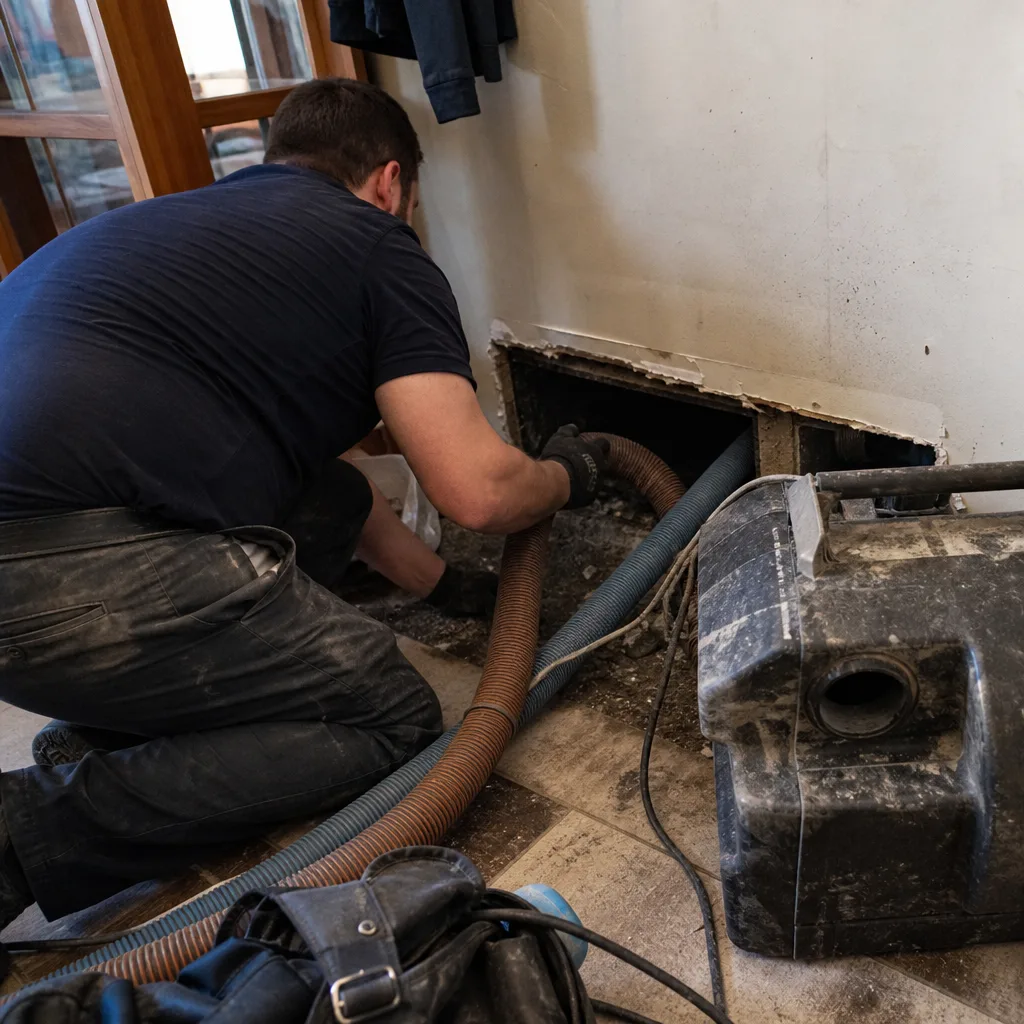 Before
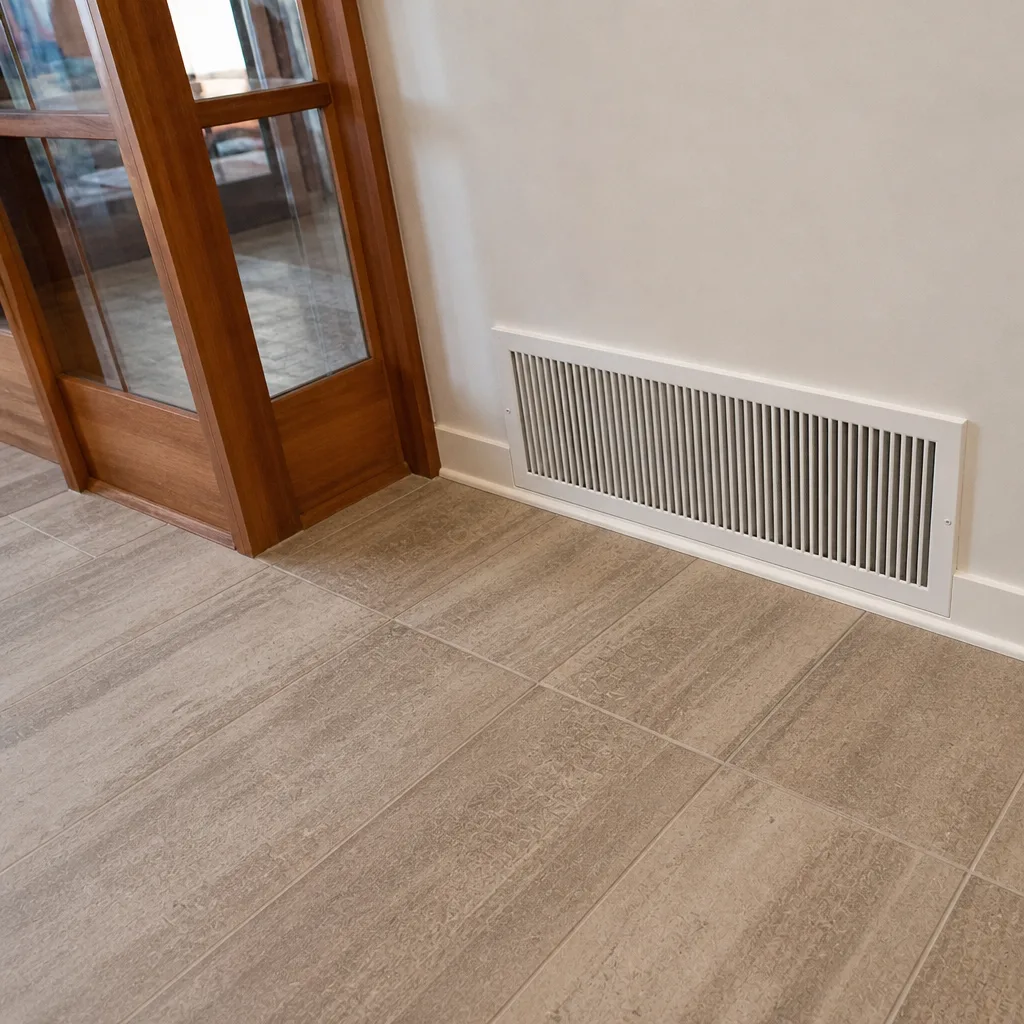 After
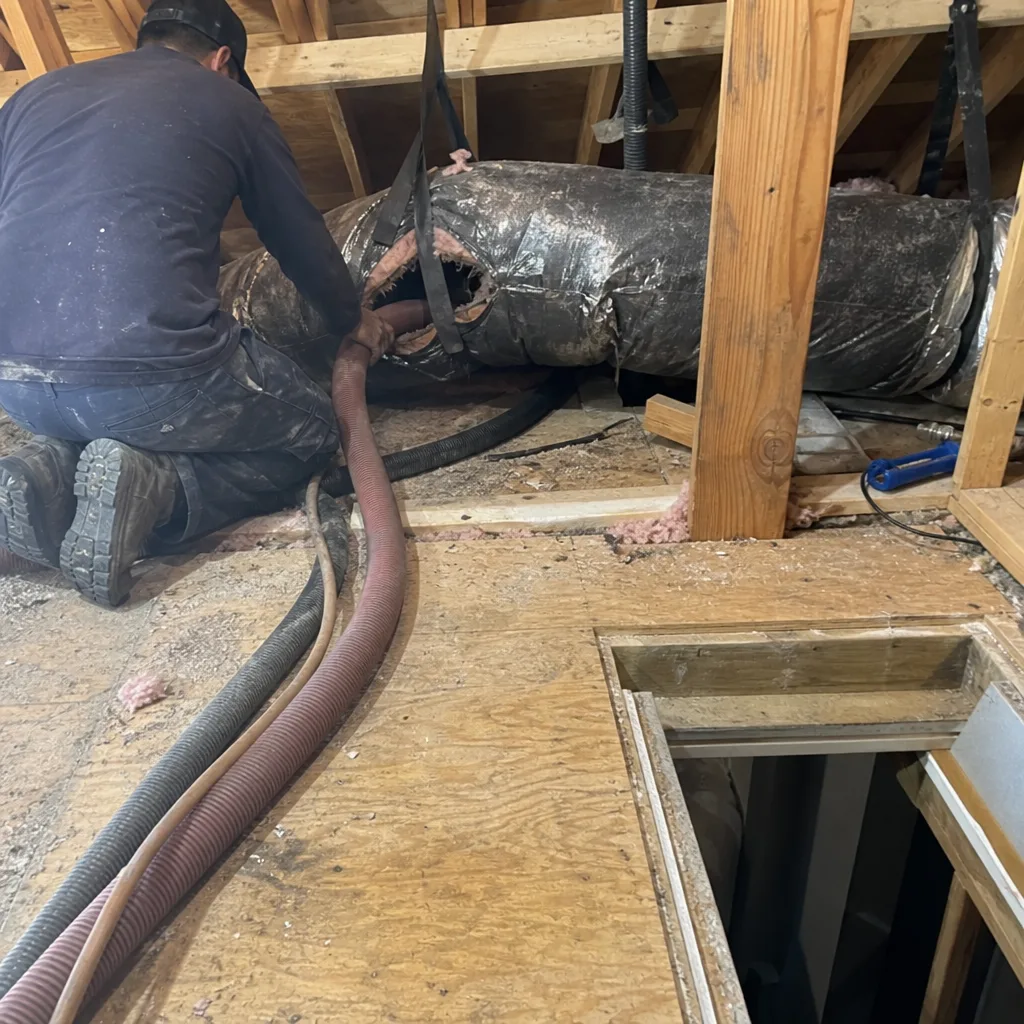 Before
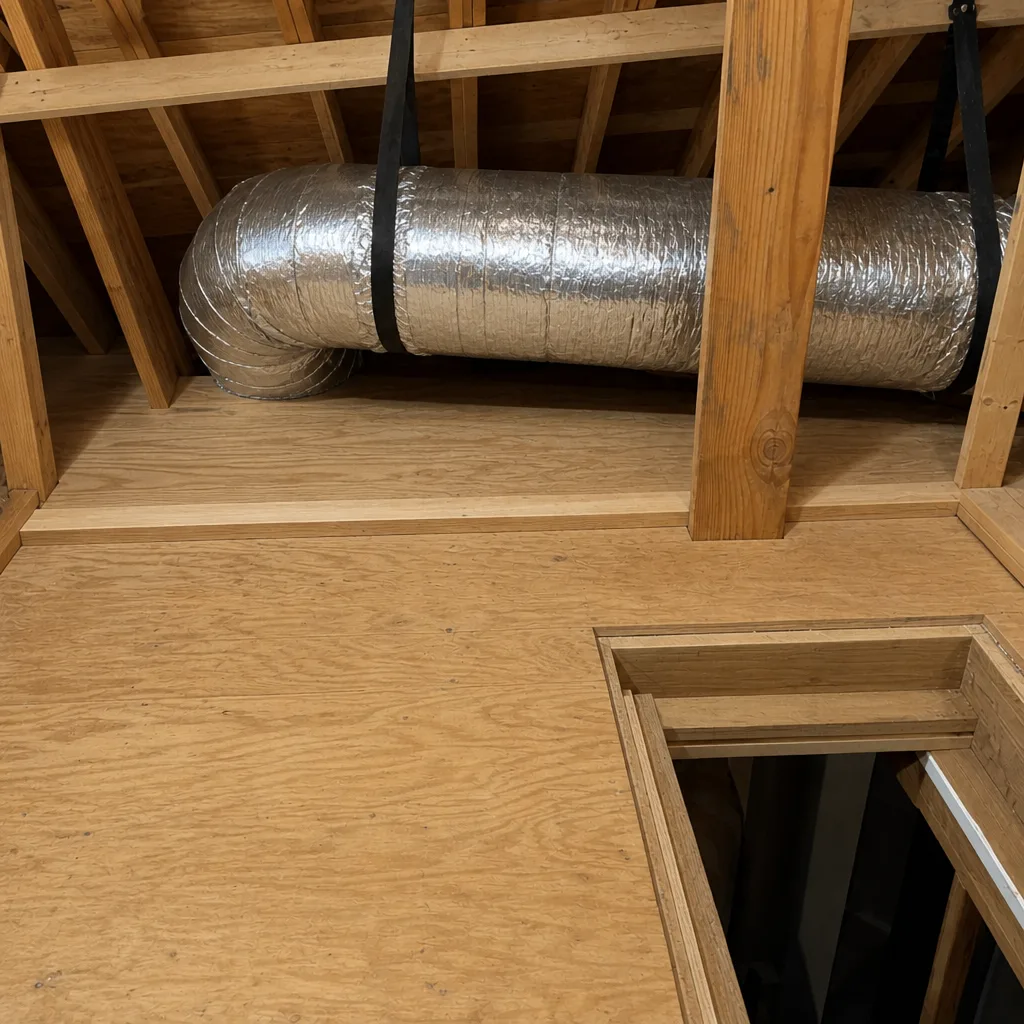 After
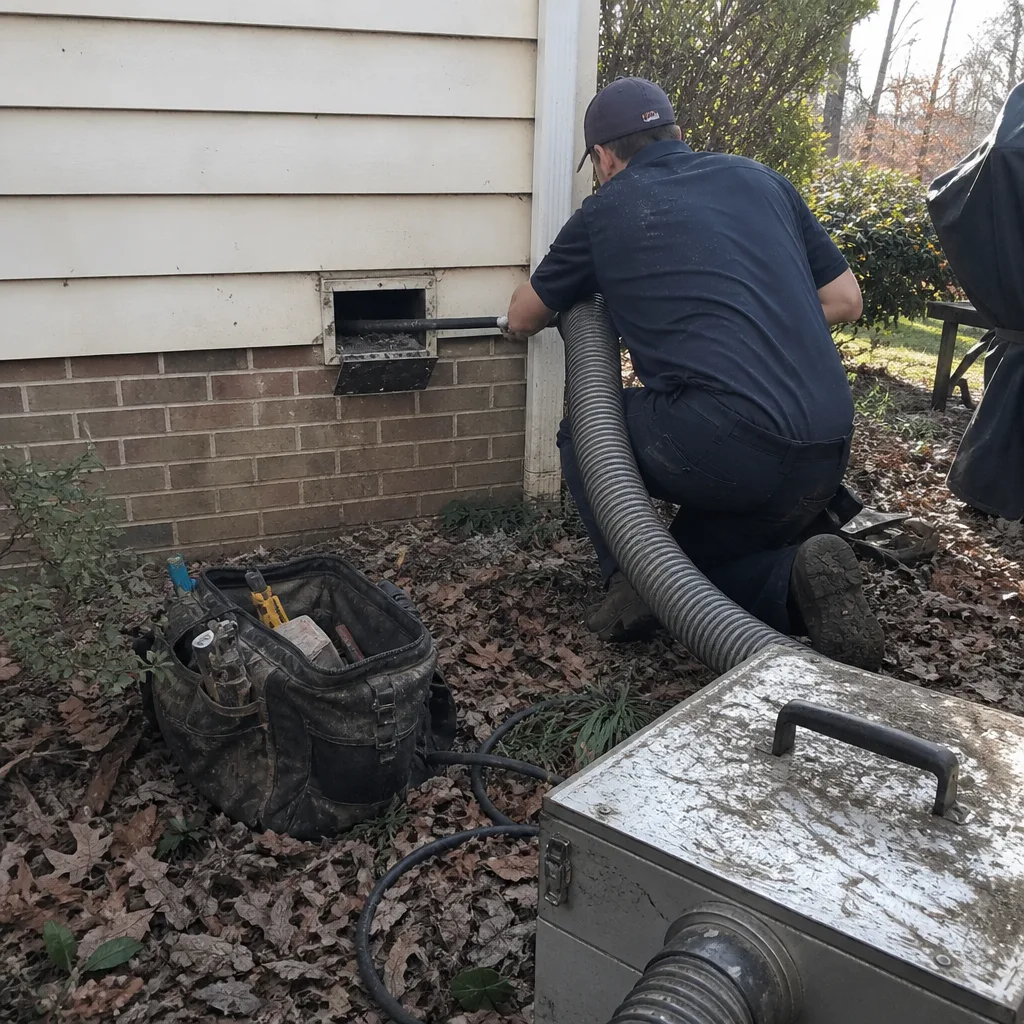 Before
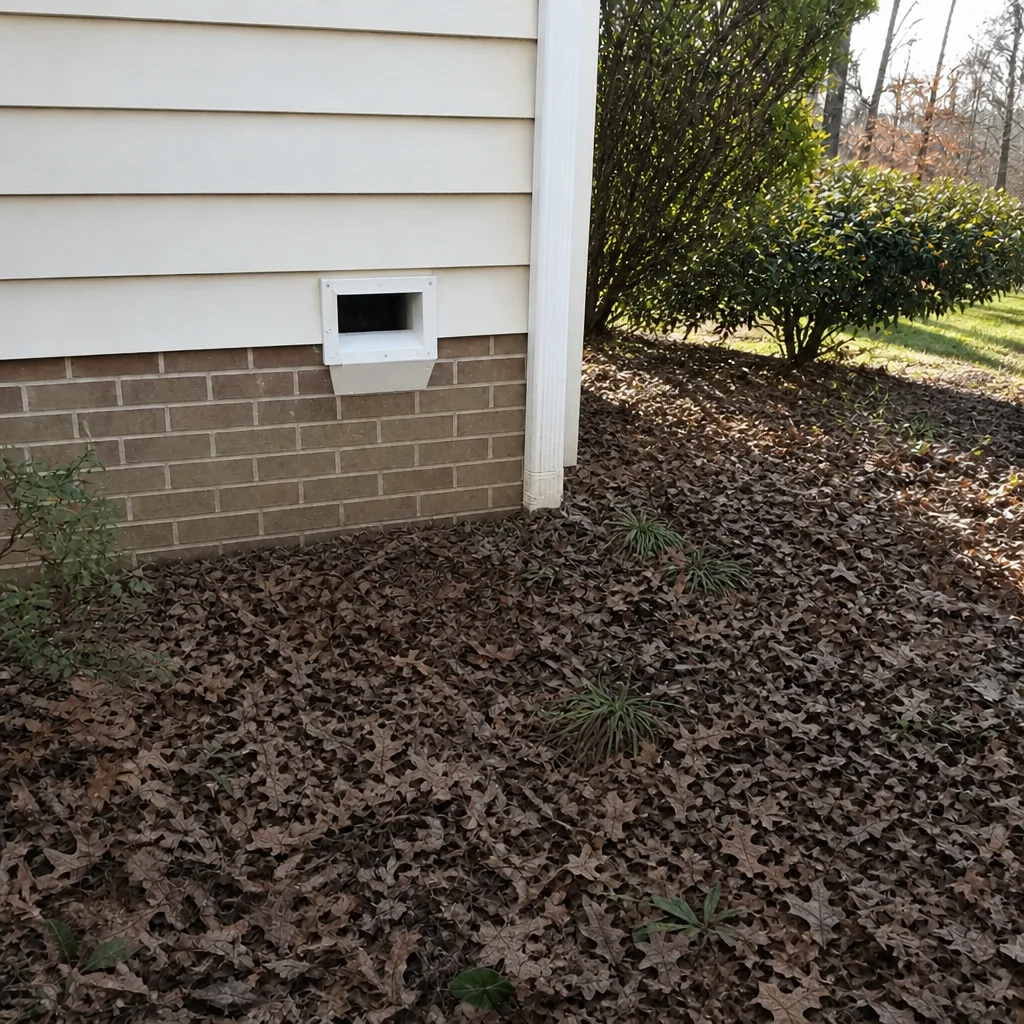 After
When to Call a Professional
Call a professional when you can’t see the ducts, can’t reach them, or can’t trust a visual inspection to tell you what’s going on inside. Specific triggers: a musty smell on system startup, visible dust blowing from registers, a recent major renovation, a new baby or allergy diagnosis in the home, a dryer taking longer than it used to, or an HVAC company that just told you the system needs attention. Any of those warrant a professional look rather than waiting out a calendar interval.
Duct Cleaning Greensboro offers free estimates in Greensboro. Call (833) 968-4577. We answer 24/7. Fast dispatch from 7am to 7pm, Sunday through Friday. Our technicians have up to 12 years of experience, we use professional-grade Rotobrush and Nikro equipment on every job, and we give you one flat price per system agreed before work starts.
Frequently Asked Questions
Every 3 to 5 years is the default, but households with pets, indoor smokers, recent renovation, or allergy sufferers usually need to move earlier, roughly every 2 to 3 years. Greensboro’s humid summers make more frequent inspections wise even when cleaning isn’t needed yet. Call (833) 968-4577 for an exact quote; estimates are free.
Yes. Drywall dust, sawdust, and insulation fibers are the biggest single driver of sudden duct contamination. A full cleaning after any major renovation is the highest-value cleaning you can schedule, even if the ducts were cleaned recently. Call (833) 968-4577 to get it on the books.
Watch for weak airflow in certain rooms, musty smells at system startup, visible dust blowing from registers, and increased allergy symptoms indoors. None of these is conclusive on its own, but they’re strong signals to get an inspection. Call (833) 968-4577 to book one; estimates are free.
Cheap quotes are usually cheap because they’re for less: a single pass of air without brushing, no negative-pressure containment, no protective finish, no photos. Compare process, not price. Ask what equipment is used and whether you get before-and-after photos of your own ducts. Call (833) 968-4577 for an honest whole-system range.
Before-and-after photos of your own ducts are the simplest proof, and Guardsman-grade finishing products leave treated surfaces you can see and feel. Ask for the photos and a written summary of what was found and repaired. Call (833) 968-4577 to schedule; you’ll get both.
No. The dryer vent runs on its own triggers: lint load, dryer run time, and exhaust temperature. In most households that means cleaning about once a year, or sooner if the dryer is taking longer to finish. It’s handled as a dedicated service, not an add-on. Call (833) 968-4577 to schedule.
The Bottom Line
Your duct cleaning schedule isn’t a fixed number, and treating it as one is the mistake most homeowners make. Start with three to five years, then shorten it for pets, renovation, allergy sufferers, or extensive flex duct, and lengthen it only after a professional inspection says you can. Inspect more frequently than you might expect in Greensboro because of the summer humidity, do the annual homeowner tasks that genuinely matter, and keep a one-page log so the next technician can see change over time. Dryer vent cleaning runs on its own schedule entirely. When it’s time, get a same-day inspection and one flat price agreed before work starts.
Written by the team at Duct Cleaning Greensboro.