
Last updated November 16, 2026
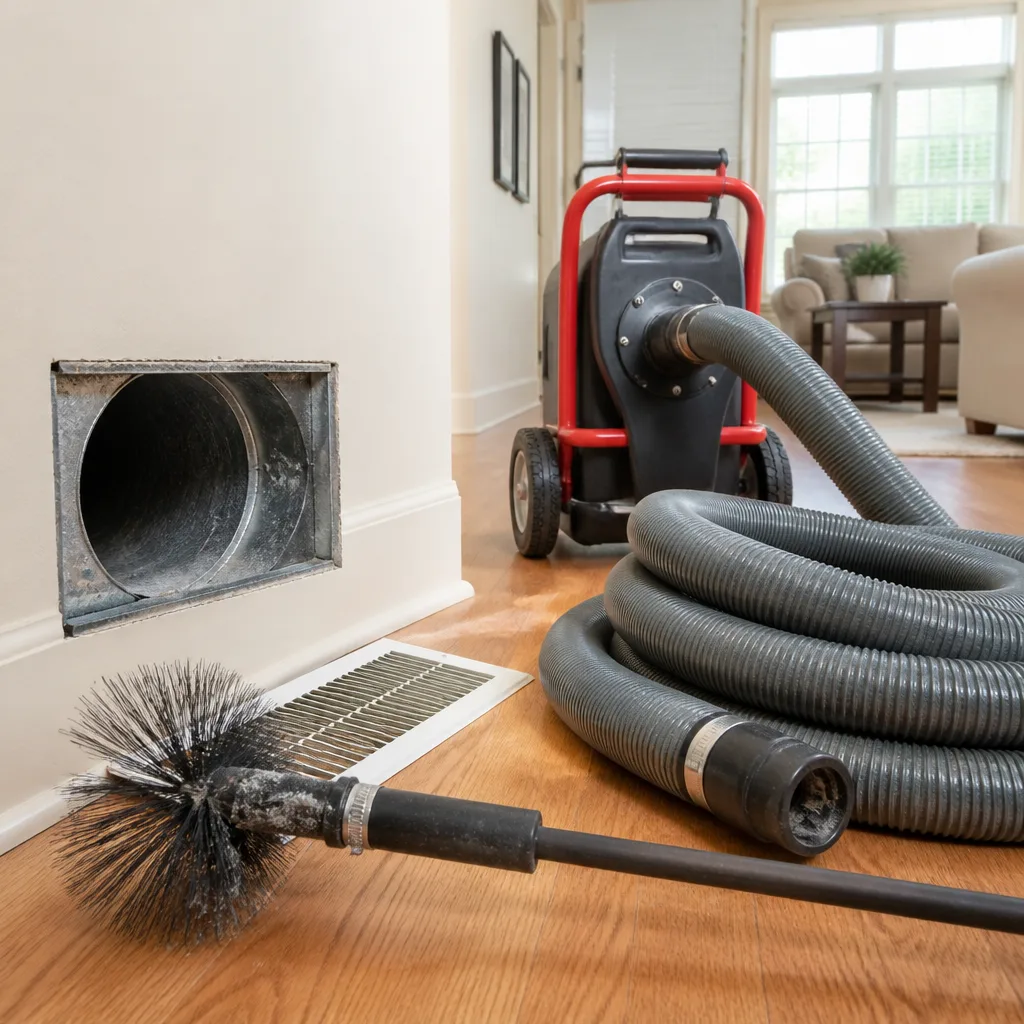 Whole-home duct cleaning
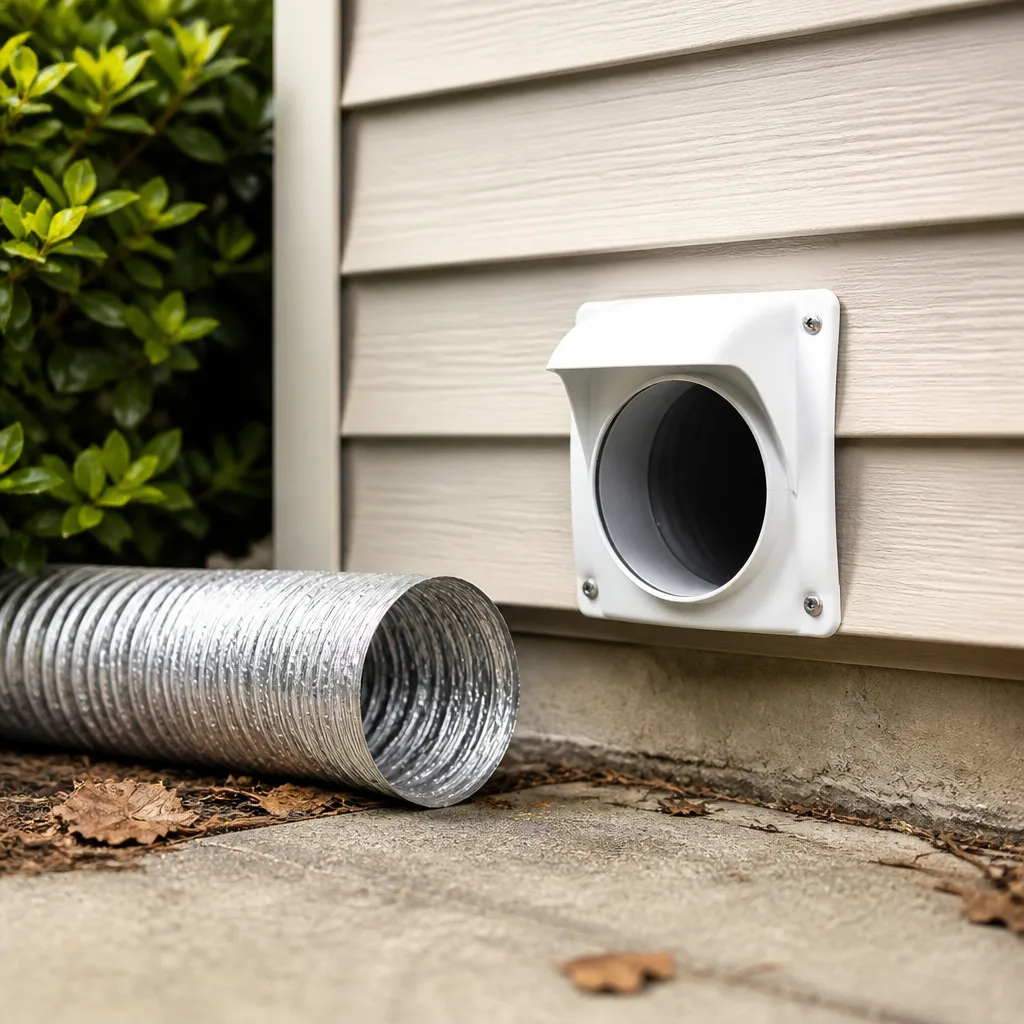 Dryer vent cleaning
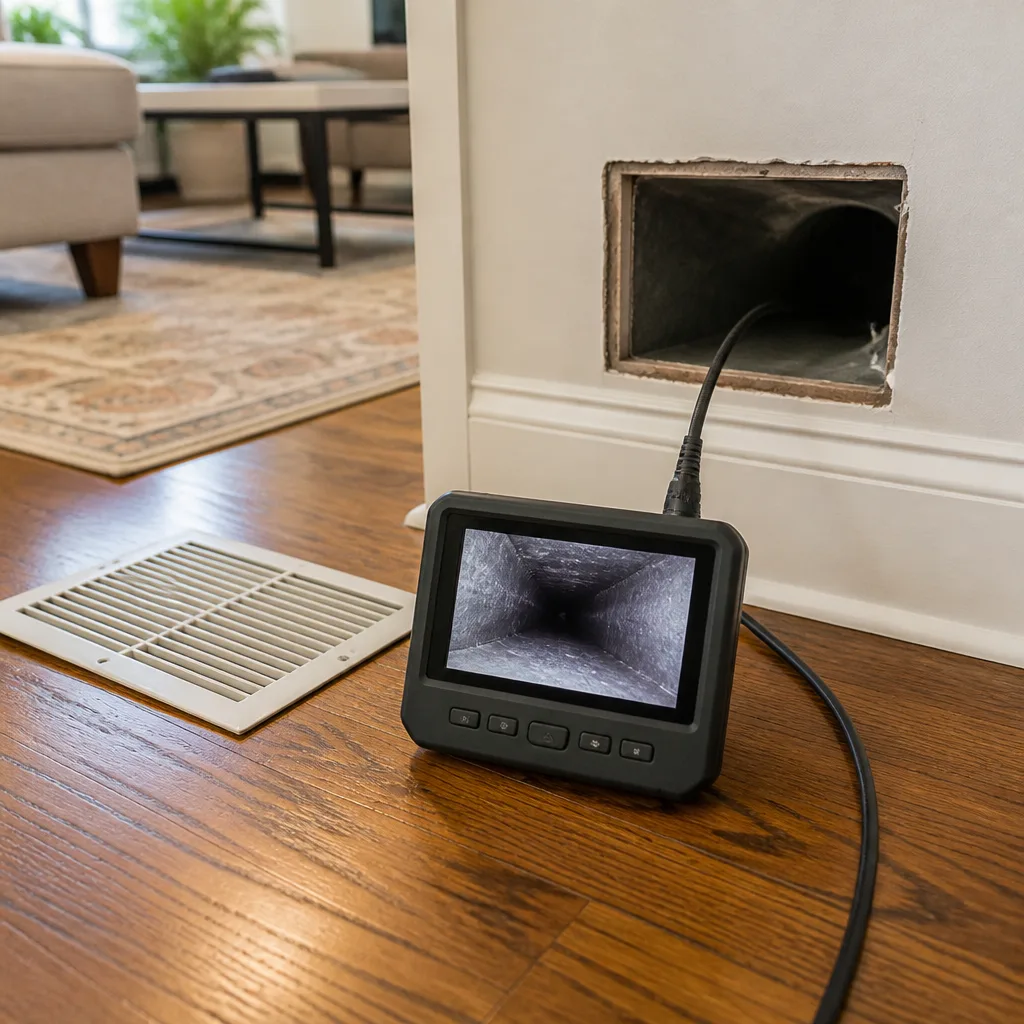 Camera inspection
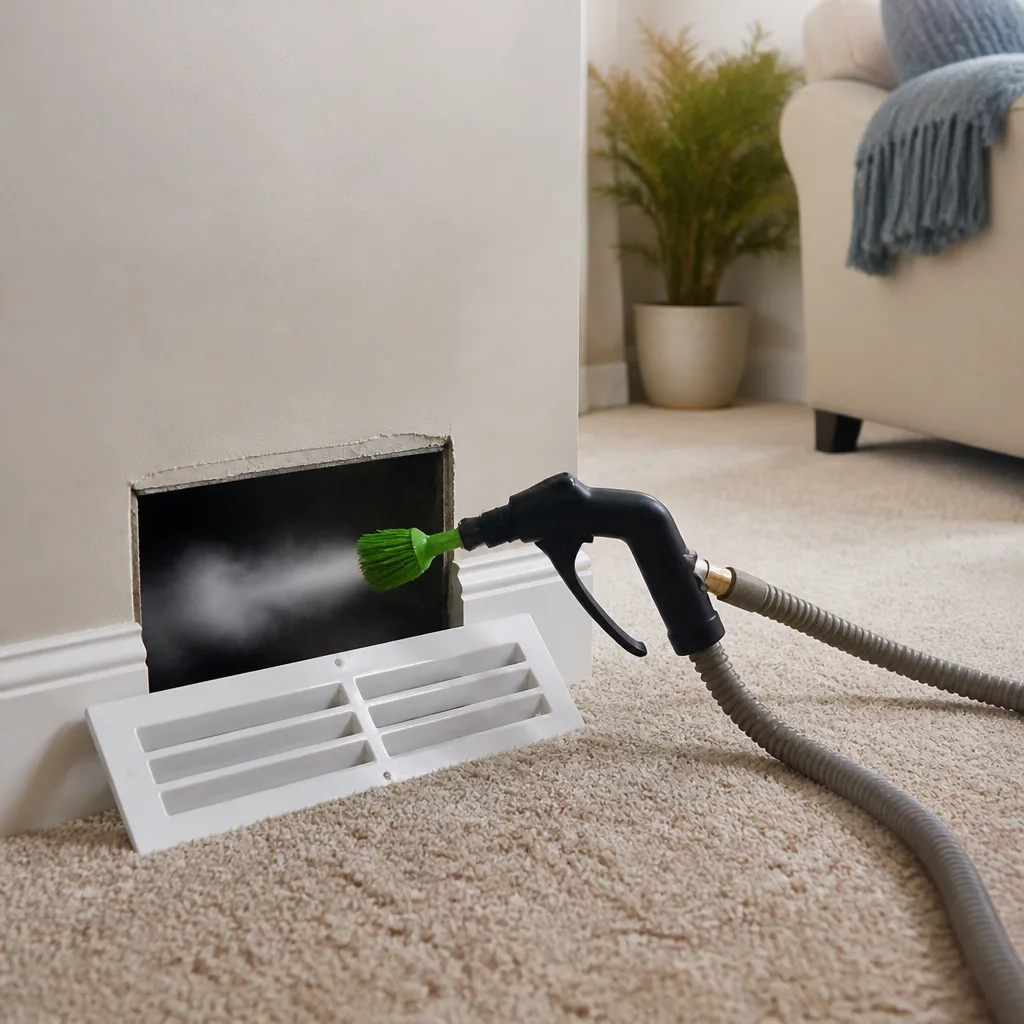 Sanitizing & deodorizing
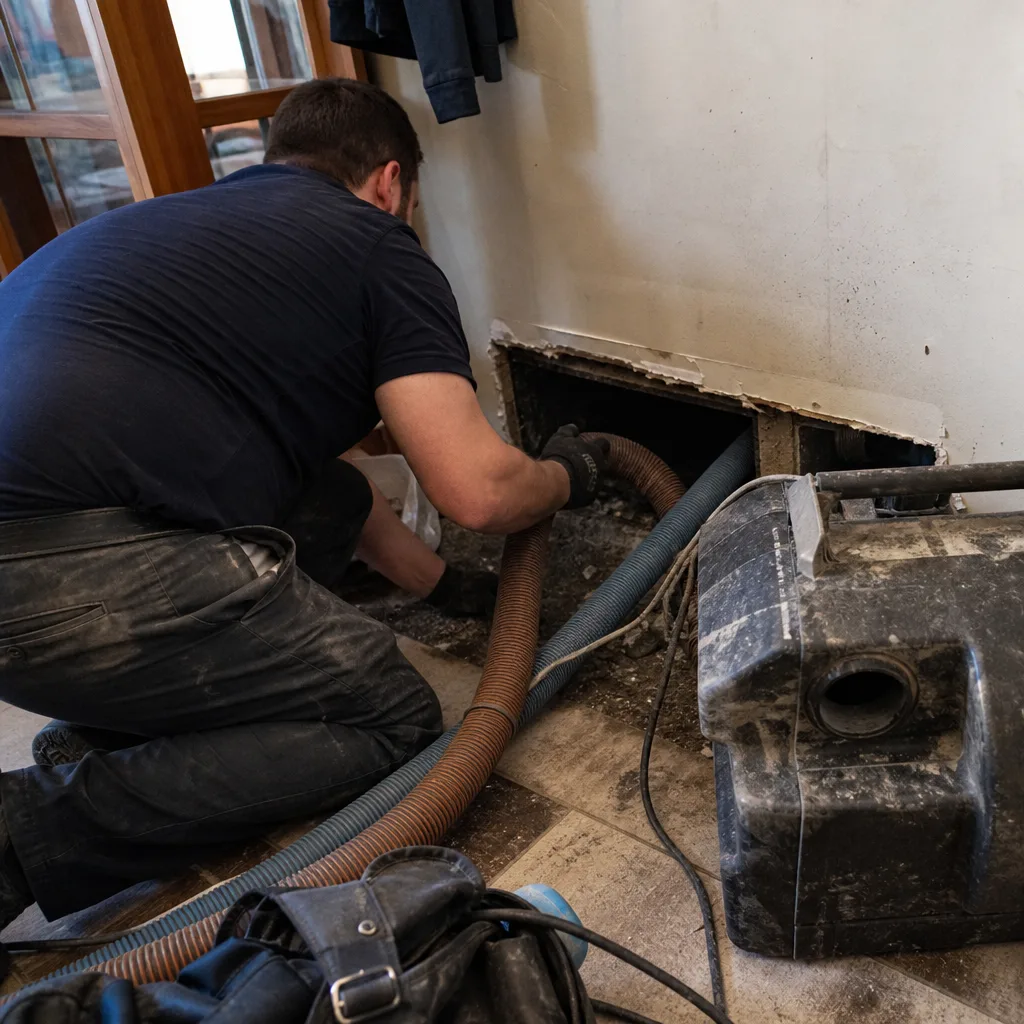
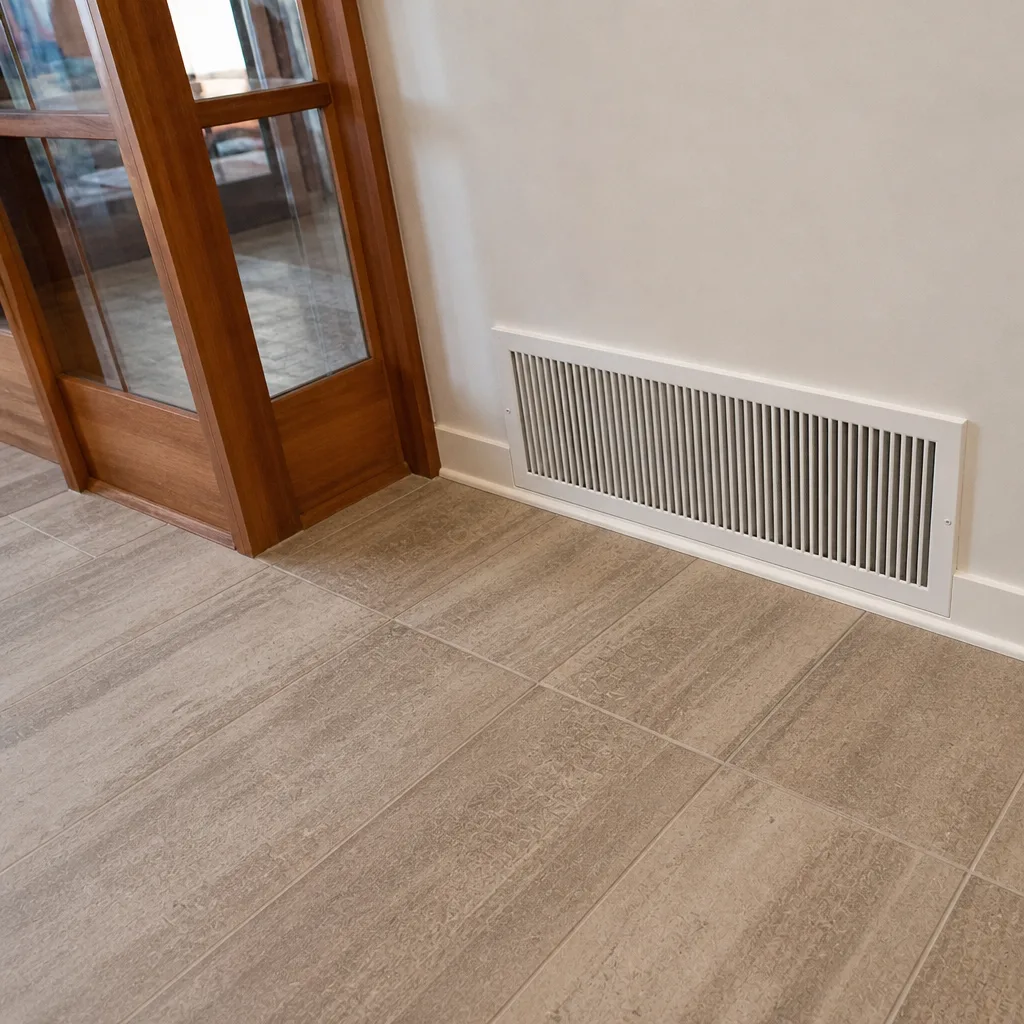
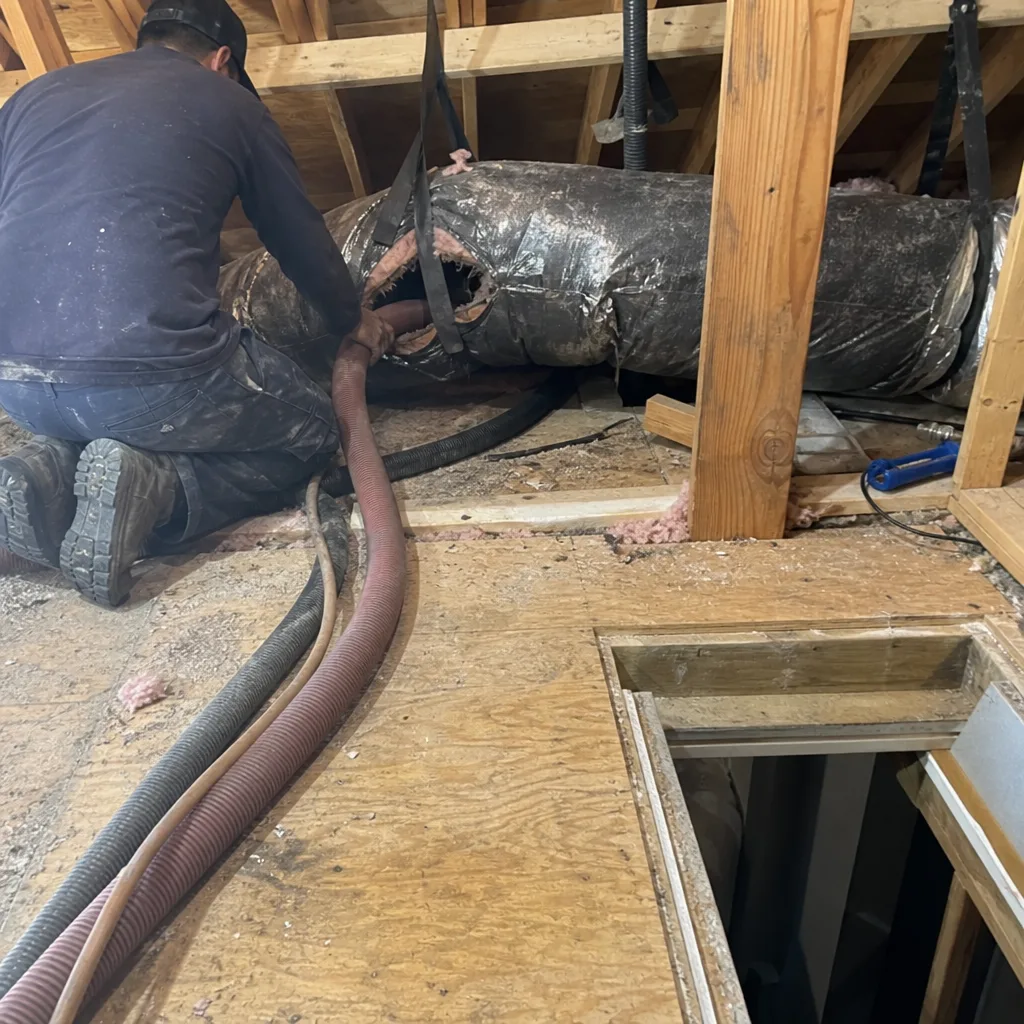
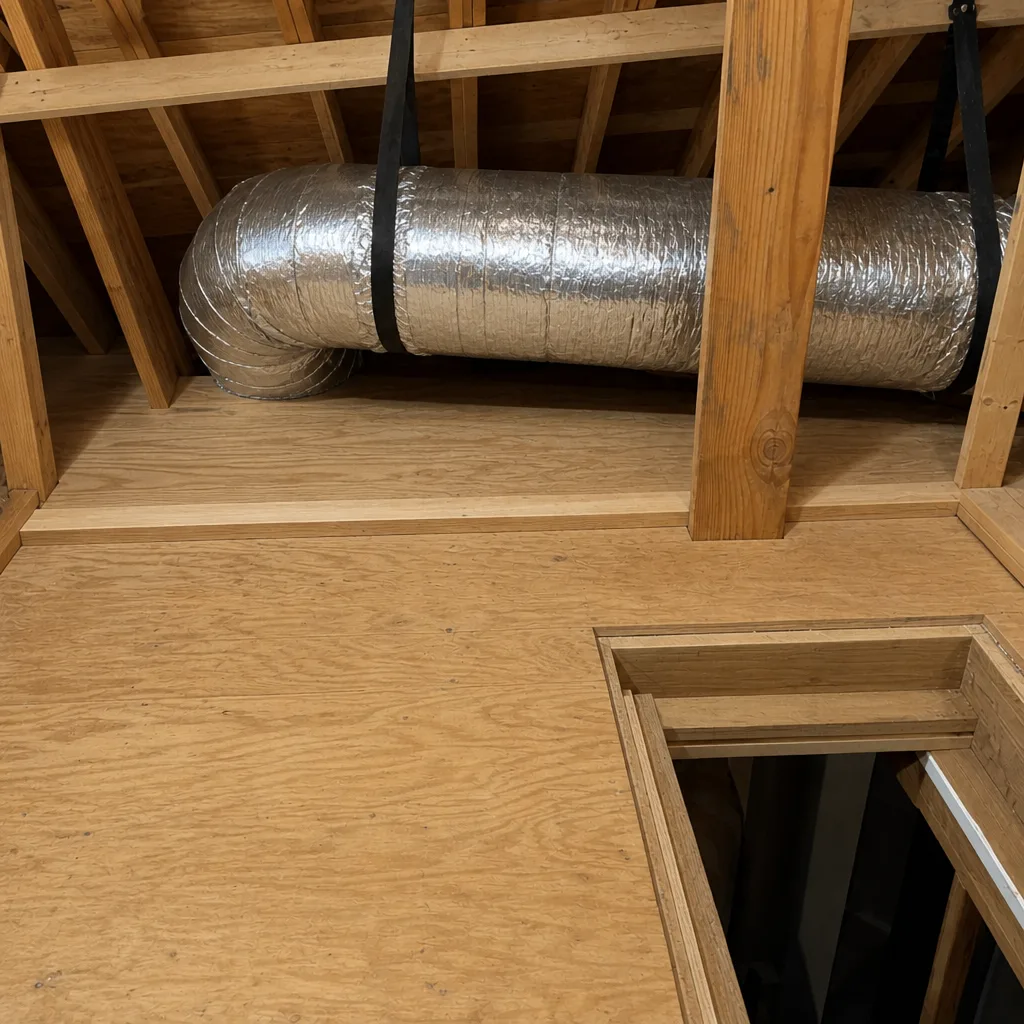
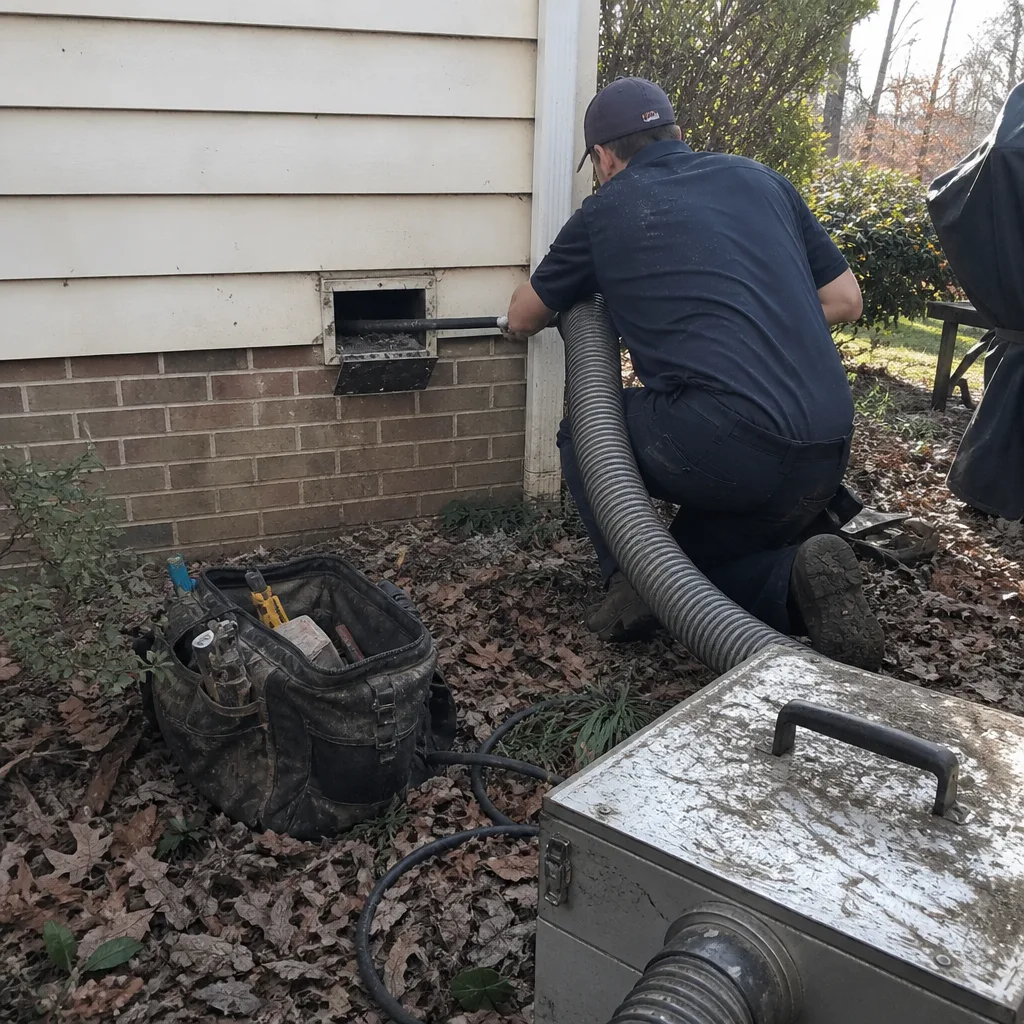
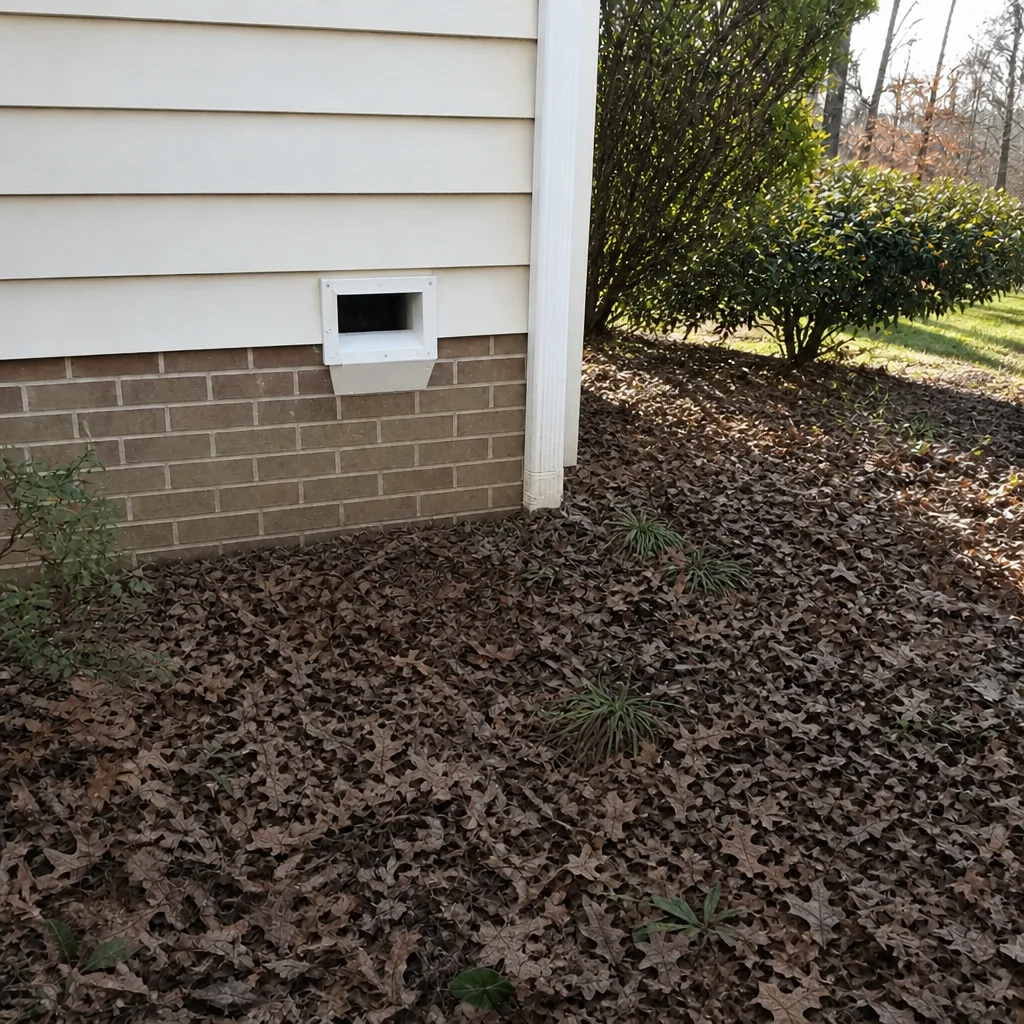
Whole-system duct and dryer vent check with before-and-after photos - you see exactly what came out of your vents
That "$99 whole-house special" is a bait ad - the real number appears once they are in your hallway, or the "clean" is a shop-vac at the register. We photograph the inside of your ducts before and after instead.
The Complete Guide to Air Duct Cleaning in Greensboro
The EPA does not recommend air duct cleaning on a routine schedule, and understanding exactly why that’s true will help you recognize whether a company quoting you $99 is doing real work or running a bait-and-switch. There’s no calendar date that says your ducts are due. What matters is condition: whether the system is contaminated, whether it’s leaking, whether the ductwork itself is failing. Most Greensboro homeowners who call us don’t actually need a cleaning first. They need an evaluation. This guide walks through what a complete, honest assessment and service looks like from the inside out, why camera inspection comes before any brush, and how to tell source-removal cleaning from a blow-and-go “air wash” before you sign anything.
Quick Answer
Air duct cleaning in Greensboro is worth doing when an inspection shows real contamination or damage, not on a fixed schedule. A legitimate job means source removal with negative air pressure, a camera inspection before and after, and service that covers supply lines, return plenums, the air handler coil and blower compartment. If a company quotes a price before looking inside your ducts, that’s a warning sign, not a deal.
Styles & brands we work with
- Whole-home duct cleaning
- Dryer vent cleaning
- Camera inspection
- Sanitizing & deodorizing
Table of Contents
- Why the EPA Doesn’t Recommend Routine Duct Cleaning
- Why Camera Inspection Comes Before Cleaning
- Source Removal vs. Blow-and-Go Air Washing
- How Greensboro Humidity Shapes Contamination
- What a Full-System Service Actually Includes
- Red Flags Buried in Service Contracts
- Dryer Vent Cleaning: The Other Half of the Job
- What Duct Cleaning Costs in Greensboro
Why the EPA Doesn’t Recommend Routine Duct Cleaning
The EPA’s position is that duct cleaning has never been shown to prevent health problems, and that no evidence supports cleaning ducts as a routine part of home maintenance. That’s not a knock on the service. It’s a statement about condition-based work. Cleaning a clean duct solves nothing and costs you money. Cleaning a contaminated or damaged duct system solves a specific, identifiable problem.
The EPA does say ducts should be cleaned when there’s substantial visible mold growth inside hard-surface ducts or on other components of the heating and cooling system, when ducts are infested with vermin, or when ducts are clogged with excessive dust and debris that’s actually being released into the home from supply registers. Those are conditions, not a calendar. The question worth asking is whether your system meets one of them, and the only way to know is to look.
In Greensboro, that distinction matters more than in a lot of places because of the housing stock. A large share of homes built from the 1970s through the 1990s were run with flex duct, and flex duct behaves very differently from the rigid galvanized trunk lines in older houses. Flex sags, kinks, tears at the collar connections and collects debris in the low points. A house in Lindley Park or Sunset Hills with original rigid ductwork has a different set of problems than a 1990s subdivision home with long flex runs in a vented attic. Cleaning without knowing which system you have is guesswork.
The practical takeaway: ignore anyone who tells you ducts should be cleaned every year or every two years as a rule. Ask instead what they found, where they found it, and whether they can show you. A company that can answer those three questions is doing evaluation work. A company that can’t is selling a schedule.
Why Camera Inspection Comes Before Cleaning
You cannot clean what you haven’t seen. That’s the entire argument for camera inspection, and it’s the step most cut-rate providers skip because it takes time and requires equipment. A proper inspection sends a camera through the supply and return runs to look at the interior surface of the duct, the condition of the joints, and the transition points where flex meets a boot or a plenum.
Here’s what a camera inspection typically reveals in Greensboro homes:
- Collapsed or crushed flex duct. Common in attics where installers ran flex over joists or where insulation has settled on it. A crushed run chokes airflow to a whole room.
- Torn inner liners. The inner plastic liner of flex duct tears at fittings, and once it’s torn, fiberglass insulation is exposed to the airstream.
- Disconnected joints. Ducts that have pulled apart at collars or boots, leaking conditioned air into the attic or crawlspace instead of the room.
- Mold growth on the coil or blower. The air handler is where moisture collects. Mold here is a filter and coil problem as much as a duct problem.
- Rodent intrusion. Crawlspace and attic runs in Greensboro see their share of this, and it leaves debris and contamination that has to be removed, not just brushed.
- Debris accumulation at low points. Construction dust, drywall grit and years of settled particulate collect in sags and elbows.
What the camera shows determines what the job is. A cleaning-only job is different from a cleaning-plus-repair job, and a repair job might be the whole answer. This is why we treat evaluation as the first service, not a formality. It’s also why we offer air duct cleaning and duct repair as separate, distinct services: sometimes the honest answer is “clean it,” and sometimes it’s “fix it first, then clean it.”
Ask any provider whether they inspect with a camera before quoting, and whether you’ll see the footage. If the answer to either is no, you’ve learned what you needed to know.
Source Removal vs. Blow-and-Go Air Washing
Source removal is the industry-standard method: physical agitation of the duct interior combined with negative air pressure that captures the loosened debris and pulls it out of the system into a HEPA-filtered collection unit. The debris leaves the house. It doesn’t get blown into your living room.
Blow-and-go “air washing” is the opposite. Someone arrives with a compressor or a shop-grade blower, opens a register, and blasts air through the system. Debris gets knocked loose and redistributed: into other rooms, onto your furniture, into the air handler. Nothing is captured. Nothing is removed. The ducts may look cleaner at the register you can see and be no cleaner anywhere that matters.
Here’s how to tell which one you’re being sold:
- Ask what happens to the debris. Source removal captures it in a collection unit. Air washing puts it back into the air you breathe. If the technician can’t explain where the debris goes, it’s not being removed.
- Ask about negative pressure. A proper job sets up the system under negative pressure before any agitation begins, so loosened debris is drawn toward the collection point, not the supply registers.
- Ask what equipment comes into the house. Purpose-built duct cleaning machines from manufacturers like Nikro and Rotobrush are designed for this work. A consumer shop vacuum is not, and neither is a leaf blower.
- Ask for before-and-after photos of your own ducts. Not stock photos from a brochure. Yours.
- Watch the setup. If no collection equipment is staged before the work starts, there’s nothing to capture the debris with.
We use professional-grade Rotobrush and Nikro equipment on every job, and we show the difference it makes with photos and camera footage. That’s not a marketing line. It’s the only verifiable proof that the work happened.
This is also why some quotes come in dramatically cheaper than others. A blow-and-go job with a compressor and a helper takes a fraction of the time a real source-removal job takes, uses a fraction of the equipment, and produces a fraction of the result. The low price isn’t a discount. It’s a different service.
How Greensboro Humidity Shapes Contamination
Greensboro runs humid through the cooling season, and that humidity profile creates specific contamination patterns that need specific equipment responses. Not all contamination is the same, and treating it as if it is causes problems.
- Dust and particulate. Dry, settled debris from construction, filtration bypass and everyday living. This is the most common and the most straightforward to remove. Source-removal agitation and negative pressure handle it.
- Biological growth. Mold and mildew need moisture, and humid air plus a wet cooling coil plus a dark duct interior is a favorable environment. Mold growth on duct surfaces or on the coil isn’t solved by a brush alone. It calls for HEPA filtration equipment and, where appropriate, treatment products designed for biological conditions.
- Moist debris and standing contamination. Where condensation forms or a duct draws humid attic or crawlspace air, debris can clump and stick rather than sit loose. This needs different agitation and a longer collection cycle.
We work with air quality and filtration equipment from brands like Honeywell and Aprilaire, and with HEPA filtration systems from Abatement Technologies. That matters here because Greensboro’s humidity makes filtration a live part of the conversation, not an upsell. If a duct system is pulling humid air through a wet coil and then into the house, the filtration and dehumidification strategy is part of the same answer as the cleaning.
A provider who treats every job as “brush the ducts and go” is missing the humidity factor entirely. A provider who diagnoses what kind of contamination is present and matches the equipment to it is doing the work correctly. Ask which of these three conditions your system has. If the answer is “all of the above,” that’s probably true. If the answer is “doesn’t matter,” keep calling.
Homeowners in Greensboro ask us frequently whether mold in ducts is dangerous. The honest answer is that it depends on the extent and on the occupants, and that a trained assessment is the only responsible way to say. We’re not going to diagnose your air quality over the phone, and neither should anyone else.
What a Full-System Service Actually Includes
A full-system service covers every part of the air path, not just the trunk lines someone can reach. The supply runs, the return plenums, the air handler coil and the blower compartment all move the same air. Clean four of the five and the fifth recontaminates everything downstream within a season.
Here’s what a complete service includes, in order:
- Camera inspection of supply and return runs. Documented, with footage you can see.
- Setup of negative air pressure and HEPA collection. The collection unit connects to the system before any agitation starts, so nothing escapes into the house.
- Agitation of the supply duct interiors. Purpose-built rotary equipment through each run, working from the register back toward the plenum.
- Return plenum and drop cleaning. The returns carry a disproportionate share of dust because they pull from the floor or low wall, and they’re frequently the most contaminated part of the system.
- Air handler coil cleaning. The coil is a wet surface in summer and it collects everything that passes the filter. Cleaning it is part of cleaning the system.
- Blower compartment cleaning. The blower wheel itself accumulates dust and can go out of balance. Cleaned properly, airflow and noise both improve.
- Post-cleaning camera verification. Compare the before and after, on video.
- Protective finishing products. A finish-the-job step that helps extend the life and cleanliness of the treated system.
The coil and blower step is where cheap jobs cut corners, because both require the technician to get into the air handler and take the time to do it right. It’s also the step that matters most for indoor air quality, since a dirty coil is the source of a lot of the contamination that ends up in the ducts. When a company offers to “clean the ducts” without ever opening the air handler, what they’re really offering is a partial surface clean.
Our technicians have up to 12 years of experience with this equipment, and they can tell you what the camera shows and what the coil looks like before any work begins. If a repair turns up during cleaning – a torn flex run, a disconnected boot, a crushed section that’s choking airflow to a bedroom – we handle it as part of the same engagement rather than leaving it for the next contractor to find.
Red Flags Buried in Service Contracts
The best time to spot a low-quality provider is before anyone shows up at your door. Most of the signals are in the quote, the service terms or the way the phone call goes. Read these carefully.
- A price quoted sight-unseen. Any provider who gives you a firm number before inspecting your system is guessing at best and lowballing at worst. The number you hear on the phone and the number you see on the invoice are rarely the same.
- “Per vent” pricing. Per-vent pricing rewards the provider for counting registers, not for cleaning them properly. A system with 12 supply registers and one return isn’t the same job as a system with 12 supplies and three returns, but per-vent pricing can’t tell the difference.
- No camera inspection in the scope of work. If the service description doesn’t mention inspection and documentation, you’re buying a cleaning without proof it’s needed or proof it happened.
- “Sanitizing” with no mention of cleaning. A spray-on product applied to dirty ducts doesn’t clean them. Sanitizing is a step that follows source-removal cleaning when contamination conditions call for it. It’s not a substitute.
- Language that limits what’s covered. Look for phrases like “accessible runs only,” “cleaning limited to visible supply lines” or “return plenums excluded” in the terms. These are the exclusions that turn a full-system quote into a partial one after the fact.
- No repair capability. If the provider finds a torn duct or a disconnected joint during cleaning and can only refer you to another contractor, the underlying problem is going unfixed.
- No after-photos or verification. Before-and-after photos of your own ducts should be part of the deliverable, not a favor.
The takeaway isn’t to distrust every provider. It’s to ask for the specific steps and see whether they show up in the written scope. If the written quote doesn’t mention inspection, collection, coil cleaning, blower cleaning and post-cleaning verification, it’s not a full-system job.
Dryer Vent Cleaning: The Other Half of the Job
Dryer vent cleaning is a separate service with a separate risk profile, and it’s often ignored in duct cleaning conversations entirely. Lint accumulates in the dryer vent line, and lint is highly flammable. A clogged vent is a fire risk, not a footnote. It’s also a performance problem: a dryer that takes two cycles to dry a load is telling you airflow is restricted, and a dryer running hot without proper venting is putting stress on the appliance.
In Greensboro, where a lot of homes have long dryer vent runs through an exterior wall or a crawlspace and a termination hood on the outside of the house, lint can pack into a line and be effectively invisible from either end. You can’t tell by looking at the dryer. You can tell by how long the dryer takes and whether the exterior hood flap opens with force when the dryer is running.
Vent cleaning should be a dedicated service, scheduled as its own job with its own equipment and its own verification, not tacked onto a duct cleaning at the end of the visit. A rushed add-on is exactly the kind of work that misses the lint packed in the elbows and the transition duct behind the dryer. When a provider offers dryer vent cleaning as a bundled afterthought, ask how long the dryer vent portion of the job is scheduled for, and what they’ll use to verify the line is clear. If the answer is vague, it’s not a real service.
If you’re going to have a trained technician inside your duct system anyway, having the dryer vent done to the same standard makes sense, as long as it’s treated as the fire-risk job it is. If it’s treated as a throw-in, skip it and book it separately.
What Duct Cleaning Costs in Greensboro
A fair range for a full-system source-removal job in Greensboro runs from about $350 to $800, depending on the size of the home, the number of supply and return runs, the condition of the system and whether repairs are needed. Dryer vent cleaning typically runs $100 to $200 as a standalone service. Those are typical ranges, not promises. The written estimate sets the final price.
A couple of things to know about pricing:
- Whole-system pricing. You get one flat price for the system, agreed before work starts. Not per-vent, not per-hour, not a coupon that grows into a bigger invoice once someone’s on site.
- Repair is priced separately, in writing, before it’s performed. If the camera shows a torn flex run or a disconnected boot, you’ll see the repair cost before we do the repair.
- Dryer vent cleaning is priced on its own. It’s not a discount driver for the duct work and it’s not a hidden upsell.
Here’s the honest answer to why some quotes are so much cheaper. A blow-and-go “cleaning” that skips the camera, skips the coil, skips the blower and skips the collection equipment is a much smaller job with a much smaller price tag. It also isn’t doing the same thing. The question worth asking isn’t “why is yours more than theirs,” it’s “what does theirs include that yours doesn’t, and what does yours include that theirs doesn’t.” Side-by-side, comparing the scope of work, is the only comparison that matters.
We give free estimates for Greensboro homes and we put the price in writing before any work begins. Call Duct Cleaning Greensboro to book one. If you want to read more about the specific service, the Greensboro service page has what’s included in a full-system job.
Common Mistakes to Avoid
- Cleaning without an inspection. If no one has looked inside your ducts with a camera, nobody knows whether they need cleaning. You can’t solve an unknown problem with a brush.
- Buying “per vent” pricing. It’s a pricing structure that has nothing to do with the actual work, and it discourages the provider from properly cleaning the returns and plenums that need it most.
- Accepting a sight-unseen quote. Every legitimate duct job starts with an assessment. A firm price on the phone is a number designed to get a foot in the door, not an estimate.
- Skipping the air handler. A dirty coil and blower recontaminate clean ducts fast. If the quote doesn’t mention the coil and blower, it’s a partial job.
- Treating dryer vent cleaning as a freebie. It’s a fire-risk service. A rushed add-on misses the packed lint in elbows and transition ducts, and that’s exactly where the hazard lives.
- Assuming humidity is someone else’s problem. Greensboro’s summers create moisture conditions that make mold and coil contamination more likely. A provider who doesn’t factor humidity into the assessment is leaving a real issue unaddressed.
- Not checking for moisture problems in the crawlspace or attic. Ductwork runs through both in a lot of Greensboro homes, and a humid crawlspace feeding a return plenum is a genuine source of contamination. Cleaning the ducts without addressing the source just moves the problem downstream.
See the difference
 Before
 After
 Before
 After
 Before
 After
When to Call a Professional
Call a professional when there’s a condition you can name. Visible mold on a register or inside a duct, a system that’s pulling debris into rooms, a dryer that takes two cycles to dry a load, a home with recent HVAC work that’s left construction dust in the system, a crawlspace or attic duct run that’s visibly sagging or disconnected, or a homeowner with allergen concerns who wants a trained assessment rather than a guess. These are all situations where diagnosis and the right equipment matter, and where a camera inspection is worth more than a phone call.
None of these situations should be handled by a consumer-grade vacuum or a shop blower. The ducts are part of your HVAC system and the air handler coil and blower are part of the same job. Duct Cleaning Greensboro offers free estimates in Greensboro. Call (833) 968-4577. We answer 24/7. Fast dispatch from 7am to 7pm, Sunday through Friday.
Frequently Asked Questions
There is no fixed schedule. The EPA doesn’t recommend routine duct cleaning, and the right frequency depends on conditions: a home with pets, recent construction, a humid crawlspace leaking into a return, or visible mold may need service more often than a well-sealed home with good filtration. Assess the system, then decide. Call (833) 968-4577 for a free inspection and estimate.
A full-system source-removal job typically runs $350 to $800 depending on the home’s size, number of runs, system condition and any repairs. Dryer vent cleaning is typically $100 to $200 as a standalone. The written estimate sets the final price, and we give free estimates. Call (833) 968-4577 for an exact quote.
Because they’re selling a different service: a blow-and-go air wash that skips the camera inspection, the negative pressure collection, the air handler coil and the blower, and often the return plenums too. Debris gets redistributed rather than removed. Compare scope of work, not price. Call (833) 968-4577 and we’ll walk you through what a full-system job includes.
Ask for camera footage and before-and-after photos of your own ducts, not stock images. A legitimate provider documents the inspection before work starts and the result after. If a provider can’t show you, they can’t prove it. Call (833) 968-4577 for a free estimate that includes the inspection.
Yes. We do full duct repair as a standalone service, which means when the camera turns up a torn flex run, a disconnected boot, a crushed section or a collapsed joint, it can be fixed as part of the same job rather than referred out. Repair is quoted in writing before any work is performed. Call (833) 968-4577 to book an assessment.
They can be scheduled on the same visit, but dryer vent cleaning should be treated as a dedicated safety service, not a throw-in. Lint packed in elbows and the transition duct is a fire risk, and clearing it takes focused time with the right equipment. If a provider offers it as a rushed freebie, book it separately instead. Call (833) 968-4577 to schedule dryer vent cleaning as its own appointment.
The Bottom Line
The right way to think about duct cleaning in Greensboro starts with inspection, not a calendar. Camera footage, an honest assessment of what the system actually contains, and a scope of work that covers supply runs, return plenums, the air handler coil and the blower – that’s what a real job looks like. Source removal with proper equipment and negative pressure is verifiable; a blow-and-go air wash isn’t. Match the method to the contamination, especially in a humid climate. Dryer vent cleaning is a fire-risk service, not a footnote. And the price you agree to before the work begins is the price, in writing. Compare scope, not price tag.
Contact Us for a Free Estimate
If you’re ready to know what’s actually inside your duct system and what it will take to fix it, call Duct Cleaning Greensboro at (833) 968-4577 for a free estimate. We answer 24/7. Fast dispatch from 7am to 7pm, Sunday through Friday. We bring professional-grade Rotobrush and Nikro equipment to every job, inspect with camera before we quote, show before-and-after photos of your own ducts, work around Honeywell, Aprilaire and Abatement Technologies air quality systems, and handle cleaning, dryer vent work and duct repair as one company. One flat price per system, agreed before work starts.
Written by the team at Duct Cleaning Greensboro.