
Last updated November 16, 2026
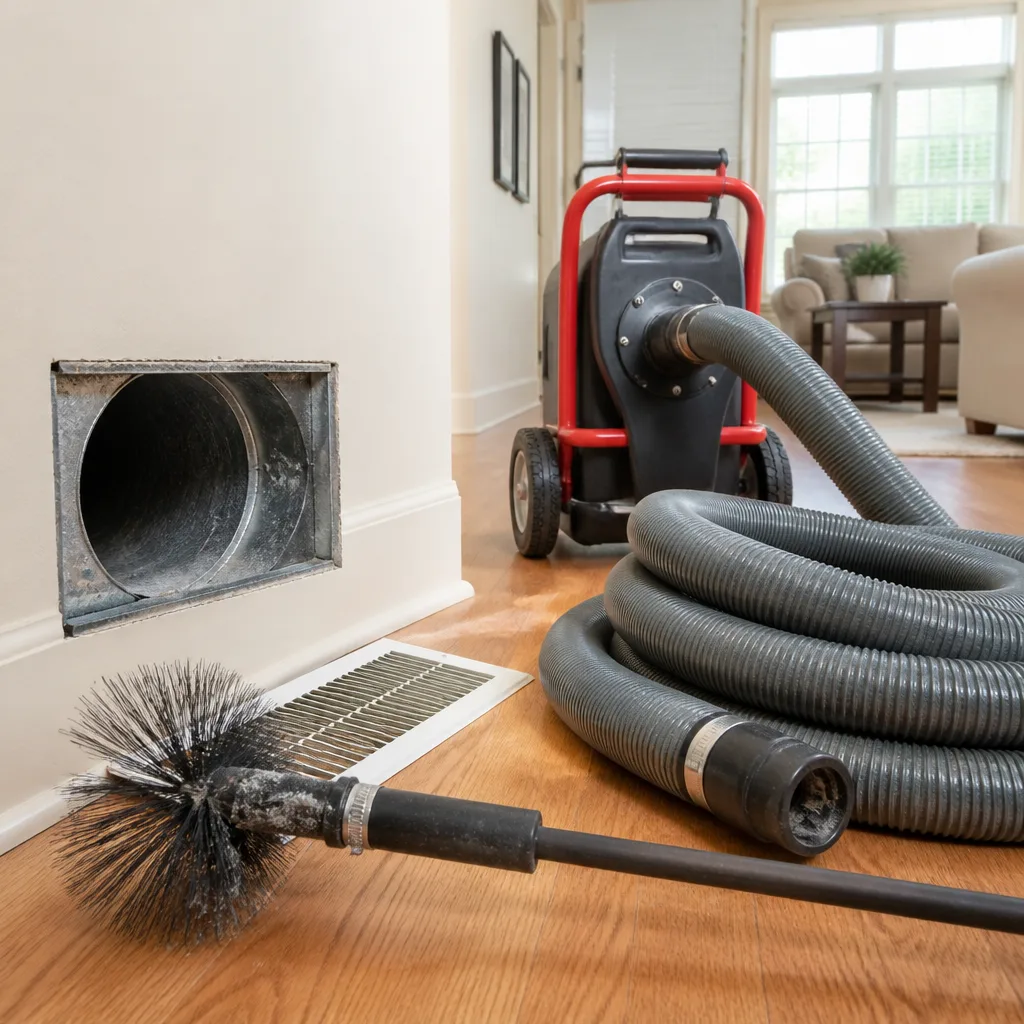 Whole-home duct cleaning
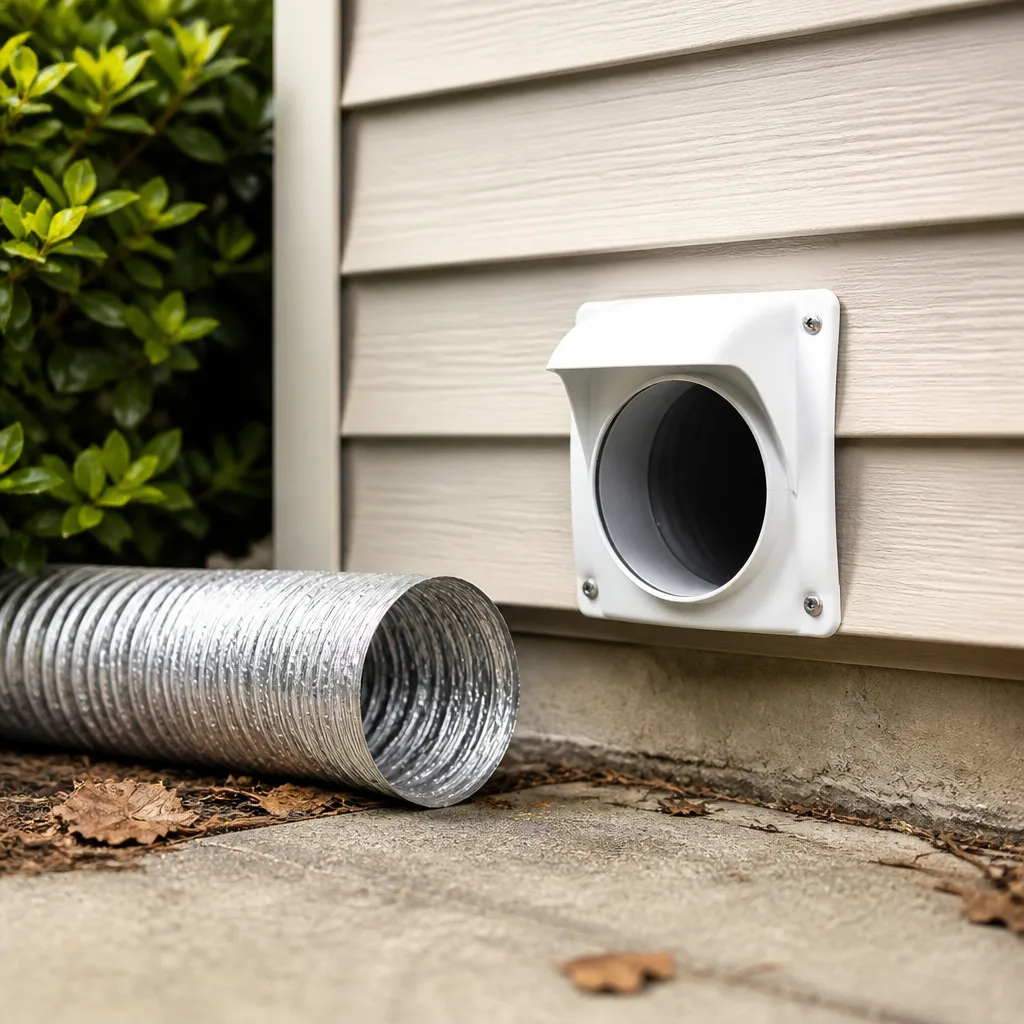 Dryer vent cleaning
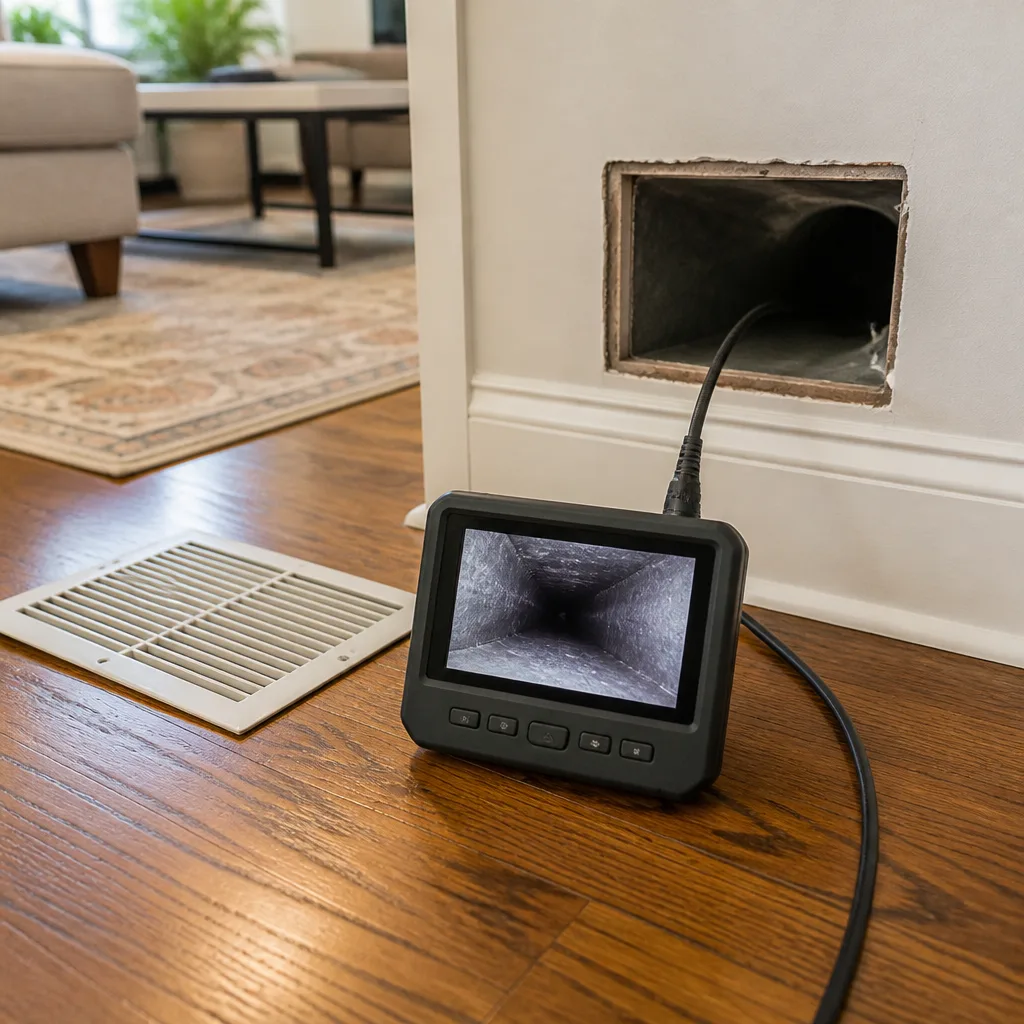 Camera inspection
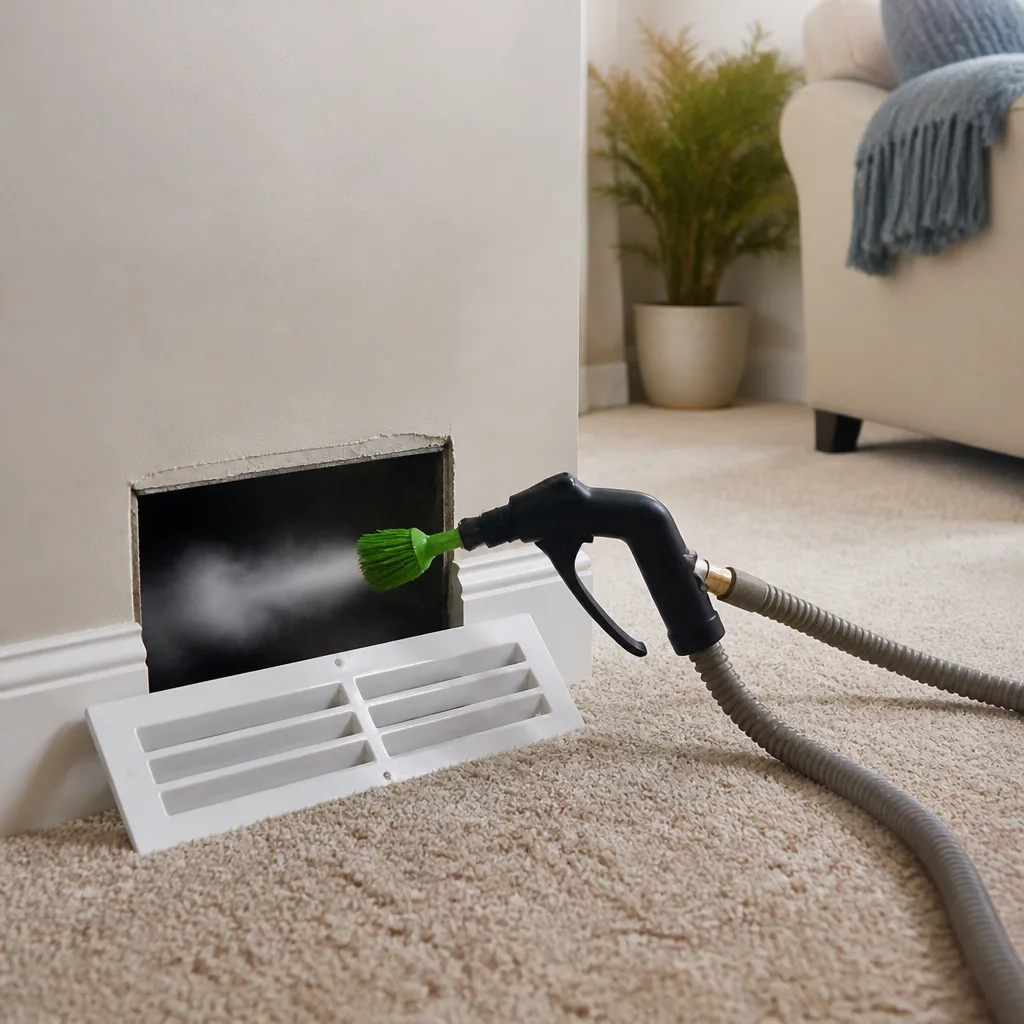 Sanitizing & deodorizing
Whole-system duct and dryer vent check with before-and-after photos - you see exactly what came out of your vents
That "$99 whole-house special" is a bait ad - the real number appears once they are in your hallway, or the "clean" is a shop-vac at the register. We photograph the inside of your ducts before and after instead.
Air Duct Cleaning Warning Signs: A Greensboro Homeowner’s Reference Guide
If you’re wiping dust off the furniture two or three days after you last cleaned, the problem probably isn’t your housekeeping. It’s more likely a return duct leak pulling unconditioned air into the system and sending it back into your rooms without ever passing through the filter. Most homeowners watch for dramatic symptoms like visible mold or a system that stops blowing air entirely. The real signals are quieter than that: how dust settles, when a smell appears, which room stays warm. This guide teaches you to read those patterns the way a technician does in Greensboro, so you can catch a duct problem months before it gets expensive.
Quick Answer
The clearest warning signs of a duct problem are dust that returns within days of cleaning, a musty smell that persists all cooling season, rooms that never match the thermostat, and allergy symptoms that flare only when the HVAC system runs. Visible mold or blocked airflow are late-stage symptoms, not early ones. If several of those subtle patterns show up together, it’s worth having the system inspected before summer humidity in Greensboro makes it worse.
Styles & brands we work with
- Whole-home duct cleaning
- Dryer vent cleaning
- Camera inspection
- Sanitizing & deodorizing
Table of Contents
- Dust That Returns Fast: Filter Bypass vs. Duct Leak
- Musty Smell on First Startup vs. All Season
- Uneven Room Temperatures: Damper, Leak, or Undersized Run?
- Pest Activity in Ductwork
- Allergy Symptoms That Track HVAC Runtime
- Sound and Airflow Changes Worth Noticing
- When to Call a Professional
Dust That Returns Fast: Filter Bypass vs. Duct Leak
Dust settling on shelves again within a few days is the most misread sign of all. Homeowners usually assume their filter is bad or their cleaning isn’t thorough, so they buy a higher MERV filter and vacuum more often. Neither fixes the real problem. There are two distinct causes, and they look different once you know where to check.
Filter bypass means air is sneaking around the filter rather than through it. The filter frame sits loosely in its slot, the cardboard edge is bowed, or the return grille isn’t seated tight. Air takes the path of least resistance, and that path goes around the media instead of through it. You’ll see a fine grey film on the return grille itself and on the shelf or ledge just below it, and the filter comes out looking cleaner than you’d expect given the dust in the room.
An active duct leak on the return side is different. The return duct runs under negative pressure, which means any gap pulls unconditioned air from inside a wall cavity, an attic, or a crawlspace straight into the system. That air is unfiltered, and it carries insulation fibers, construction dust, and whatever else is sitting in that cavity. The dust signature is heavier and coarser, and it concentrates near the supply registers in a specific room or zone rather than evenly across the house.
Here’s how to confirm which one you’re dealing with:
- Remove the return filter and look at the slot. Run your hand along the frame. If you feel a gap wider than about a pencil, that’s bypass.
- Look at the dust on top of door frames and ceiling fan blades. Fine, even dust is usually normal. Dark, gritty, or slightly fibrous dust points to a return-side leak.
- Check the ceiling or wall around each supply register. Staining or dark streaking on the drywall near a register often sits directly above a leak.
- Note which rooms get dusty fastest. A single room pulling ahead of the rest usually means a leak in that supply run or a disconnected joint behind the wall.
In Greensboro, the combination of hot, humid summers and older housing stock in neighborhoods like Lindley Park or the College Hill area makes return leaks common. Attic ductwork in particular takes a beating from summer heat, and joints loosen as the metal expands and contracts. A proper diagnostic means getting eyes on the ducts themselves rather than guessing from the register. Professional-grade equipment like a Rotobrush inspection camera lets a technician see inside the run without tearing into drywall.
Musty Smell on First Startup vs. All Season
A musty smell the first time you turn the AC on in spring is normal and usually harmless. A musty smell that lingers through June, July, and August is a different diagnosis entirely, and it usually means moisture is living inside the system rather than just sitting on the coil.
The first-startup smell comes from dust and pollen that settle on the evaporator coil and the inside of the plenum during the heating season. When the coil gets wet for the first time in months, that dust releases a mild odor for a day or two. It clears on its own.
A smell that persists points to one of a few causes:
- Biological growth on the coil or in the duct lining. Greensboro’s summer dew points regularly sit in the low 70s, and that kind of humidity keeps surfaces inside the air handler damp for months. Mold and mildew need damp surfaces, not standing water, so duct lining and fiberglass board are prime real estate.
- Trapped moisture in flexible duct. A sagging flex run can collect condensate at its low point. That pocket of water grows a musty smell that feeds the whole system every time the fan runs.
- Return air pulling from a damp space. A return leak into a crawlspace or a humid basement brings that smell into every room. This is why smell and dust often show up together.
The read is simple: if the smell fades in a week, it’s coil dust. If it’s still there in August, the source is inside the duct system and needs to be found and addressed. Cleaning a coil helps, but if the smell comes back, the moisture source has to be dealt with too. That’s why we clean, dry, and treat rather than just sweep. Finishing products like Guardsman coatings help keep treated surfaces from re-collecting the same film, but they don’t fix a leak. We work with air quality and filtration equipment from Honeywell and Aprilaire where the system calls for it, because the fix often involves the whole system rather than just the ducts.
Uneven Room Temperatures: Damper, Leak, or Undersized Run?
A room that never reaches the thermostat setting is one of the most common complaints we hear across Greensboro, and it has at least three distinct causes. Telling them apart matters because the fix is completely different for each.
Damper issues. Every supply branch usually has a balancing damper near the main trunk. If a damper is closed or half-closed from a previous homeowner’s attempt to even things out, that room will never get its share of air. This is the easiest to rule in or out. A technician can trace the trunk and check each damper’s position in an hour.
Duct leakage. A leak in a supply run loses conditioned air into a wall, attic, or crawlspace before it reaches the register. The room stays warm in summer and cool in winter, and the air coming out of the register feels weak. Attic runs suffer worst in Greensboro because attic temperatures climb well past 120°F in July, and a leak loses the cold air to that heat before it travels ten feet.
Undersized supply runs. Some rooms were never given enough duct capacity to begin with. A converted porch, a bonus room over the garage, or a sunroom added later often has a single small run serving a space that needs two. This isn’t a leak or a damper, and it can’t be fixed by cleaning alone. It may need an added run or a rebalanced system.
Here’s how to tell them apart yourself before calling anyone:
- Hold a tissue or a strip of thin paper up to the register while the system runs. Strong pull in both summer and winter suggests a damper or thermostat issue. Weak pull suggests a leak or an undersized run.
- Compare the register airflow between the problem room and a room that works well. A noticeable difference points away from the thermostat and toward the ductwork.
- Check whether the problem room is the furthest from the air handler. Rooms at the end of a long run lose more pressure, and a small leak early in that run compounds the loss.
- Note whether the room is over a garage, an uninsulated porch, or in a converted attic. If so, the duct run likely travels through a harsh space and the loss is happening there.
Air duct repair is where the fix lives when the problem is a leak or a disconnected joint. If you’ve already scheduled cleaning, ask whether repair is part of the service. A company that only cleans won’t find the disconnected run behind the drywall, and the problem will still be there after the invoice is paid.
Pest Activity in Ductwork
Rodent and insect activity in ductwork is a different category of problem, and it needs a different response than a standard dust cleaning. Rodent contamination carries pathogens and allergens that ordinary dust cleaning doesn’t remove, and the protocol involves disinfection and often physical repair, not just sweeping.
What to look for:
- Droppings near the air handler, in the return plenum, or on top of the furnace cabinet. Rodents follow ductwork because it’s warm and sheltered, and they enter through gaps where the trunk meets the air handler or through a damaged flex run.
- A sharp, ammonia-like smell or a strong musky odor that arrives when the fan starts. Rodent urine soaks into duct lining and re-releases every time air moves across it.
- Chewing damage on flexible duct. Flex duct is a common entry point in Greensboro homes with crawlspace or attic runs. Rodents chew through the outer jacket and the inner liner, leaving an open hole that pulls in attic or crawlspace air.
- Insect activity, especially German cockroaches or silverfish. These find their way into return ducts and follow the moisture. Their frass and shed skins become part of the airborne dust load.
- Nesting material visible at a register or inside a run. Shredded paper, insulation fibers, and plant material pulled together in a pile.
Pest contamination requires a protocol that a normal dust cleaning doesn’t cover. A technician has to remove the debris, disinfect the surfaces, and then repair the damaged section so the contamination can’t return. Without repair, the same gap that let the pest in will let the next one in. That’s why we treat duct repair as part of the same job when we find the damage rather than handing it to a separate contractor. If you suspect rodents or insects in the system, mention it when you book so the right equipment and the right protocol come to the job.
Allergy Symptoms That Track HVAC Runtime
Allergy symptoms that flare specifically when the HVAC system is running, not when you’re outside, are a direct pointer to the duct system. This is the pattern that’s easiest to overlook because it feels like seasonal allergies. The giveaway is the correlation with the equipment, not the calendar.
Here’s the read most homeowners miss. Outdoor allergens peak on high-pollen days and settle at night. If your symptoms are worse while you’re indoors with the windows closed and the fan running, the source is inside the system. That points to particles being circulated rather than outdoor triggers coming in through an open window.
Common indoor triggers that live in ductwork:
- Dust mites. They thrive in humidity above 50%, which Greensboro hits in June and stays at through September. Duct lining and registers collect the shed skins and waste that trigger reactions.
- Mold spores. A slight musty smell plus allergic response is a strong combination. Mold spores inside the duct system get circulated to every room with the fan on.
- Pet dander that has settled and been redistributed. Dander on surfaces gets pulled into the return, mixed with dust in the system, and redistributed to rooms where the pet has never been.
- Construction or renovation dust. Recent drywall, flooring, or insulation work pushes fine particulate into the return before the filter can catch it. That dust can stay in the system for a year or more if it isn’t removed.
A good test is to note when symptoms flare over a two-week period. If they track system runtime, that’s a duct problem worth investigating. If they track outdoor pollen counts and ease when you’re indoors, it’s more likely an outdoor trigger and a filtration upgrade to something like an Aprilaire media filter is the better first step. Getting the diagnosis right saves money and it often saves a family a whole allergy season of guessing.
Sound and Airflow Changes Worth Noticing
Most warning signs are visual, but sound belongs on the list. A duct system that’s working correctly runs quietly and steadily. Changes in sound profile often precede visible problems by months.
Whistling or hissing at a register means air is moving through a restriction. A partially closed damper, a crushed flex run behind the drywall, or a register that’s too small for the airflow will all whistle. This gets blamed on the register itself, but the restriction is usually upstream.
Rattling or popping in the ductwork when the system starts or stops is often loose ductwork vibrating against a joist or unsealed joints moving under pressure change. Sometimes it’s the flexible liner detaching from the outer jacket, which is a real leak waiting to happen. In Greensboro’s older homes, especially in neighborhoods like Fisher Park where ducts run through original construction, this is common.
A whooshing sound from the return that wasn’t there before usually points to a filter that’s loaded and restricting airflow, or to a return duct that has come loose from the trunk. Both are worth investigating.
Reduced airflow across the whole house, not just one room, can be a single crushed main trunk, a blockage, or a blower problem. That one needs a professional look rather than a guess.
Note that some of the same sounds come from the blower motor itself. The difference is location. Noise at a register points to the branch duct. Noise at the air handler points to the blower or the coil. Which one you hear tells a technician where to look first.
When to Call a Professional
Some warning signs are worth watching. Others need a technician. Here’s the dividing line.
Call a professional if you notice any of the following:
- Dust returns within a few days of cleaning, and it’s dark or gritty rather than light and even.
- A musty smell that persists through a full cooling season, not just a few days in spring.
- Rodent droppings, nesting material, or chewing damage visible on ductwork.
- One room consistently underperforms and the register pull feels weak compared to other rooms.
- Allergy symptoms that clearly track HVAC runtime over a two-week test.
- Visible mold on a register or in a return, which is the one case where waiting costs the most.
Call (833) 968-4577. We answer 24/7. Fast dispatch from 7am to 7pm, Sunday through Friday. Duct Cleaning Greensboro offers free estimates in Greensboro, and the estimate is per job, agreed in writing before any work starts. If you’re comparing quotes from other companies, bring them. We’ll explain what each line item actually means in a Greensboro home and where the difference in price usually sits.
See the difference
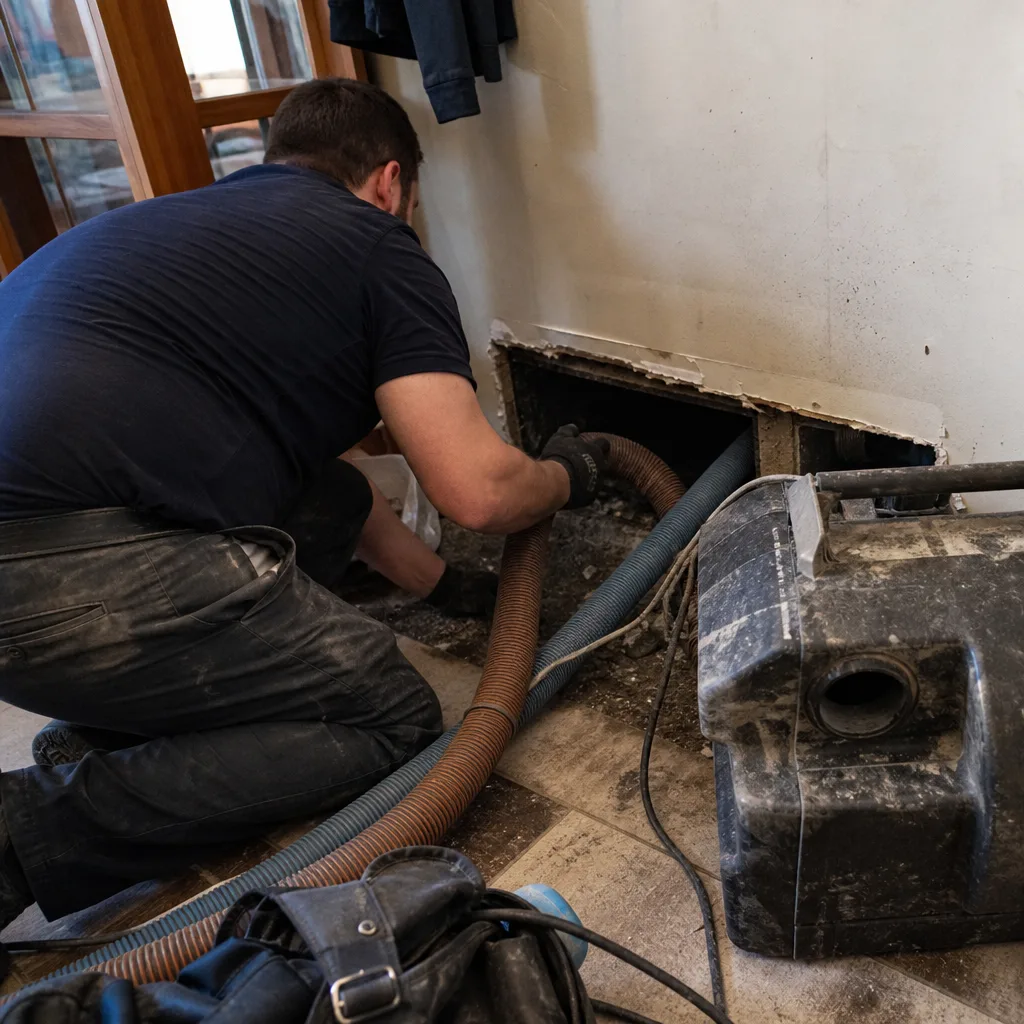 Before
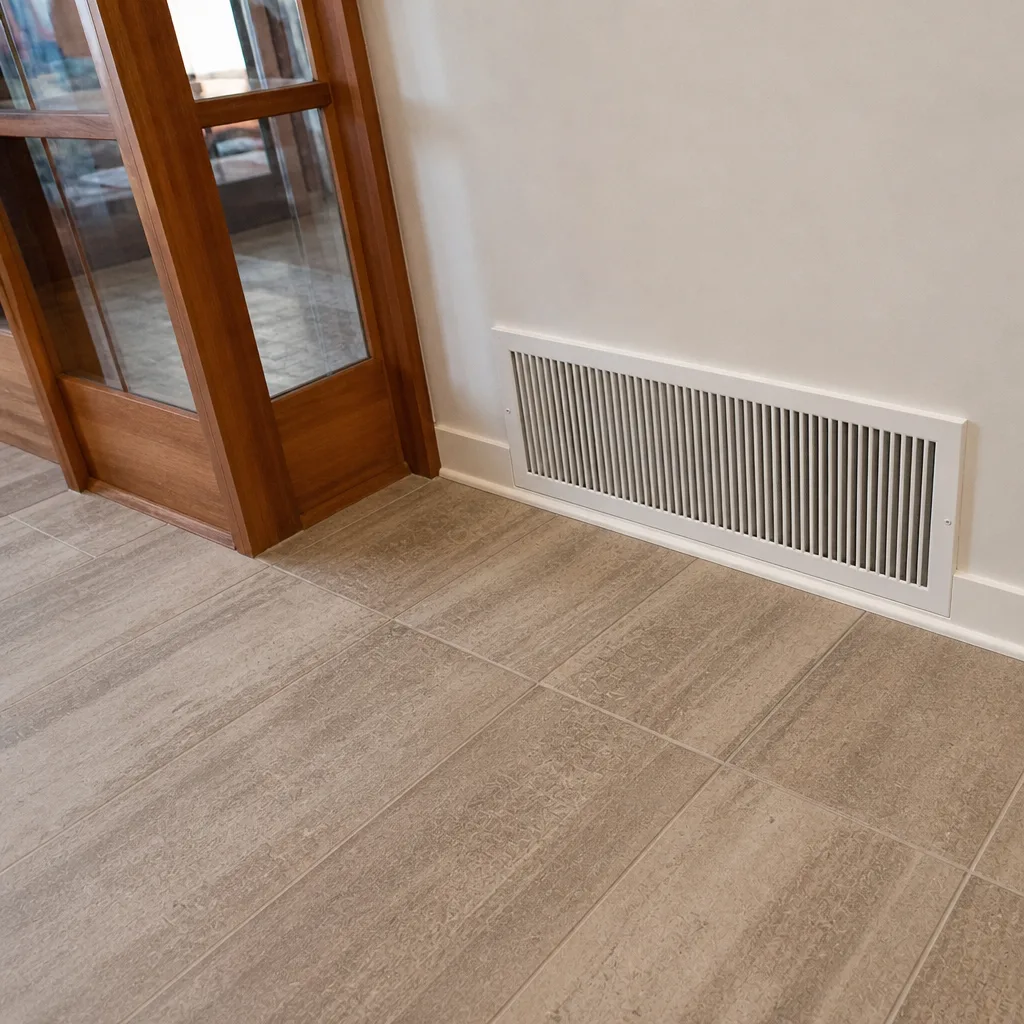 After
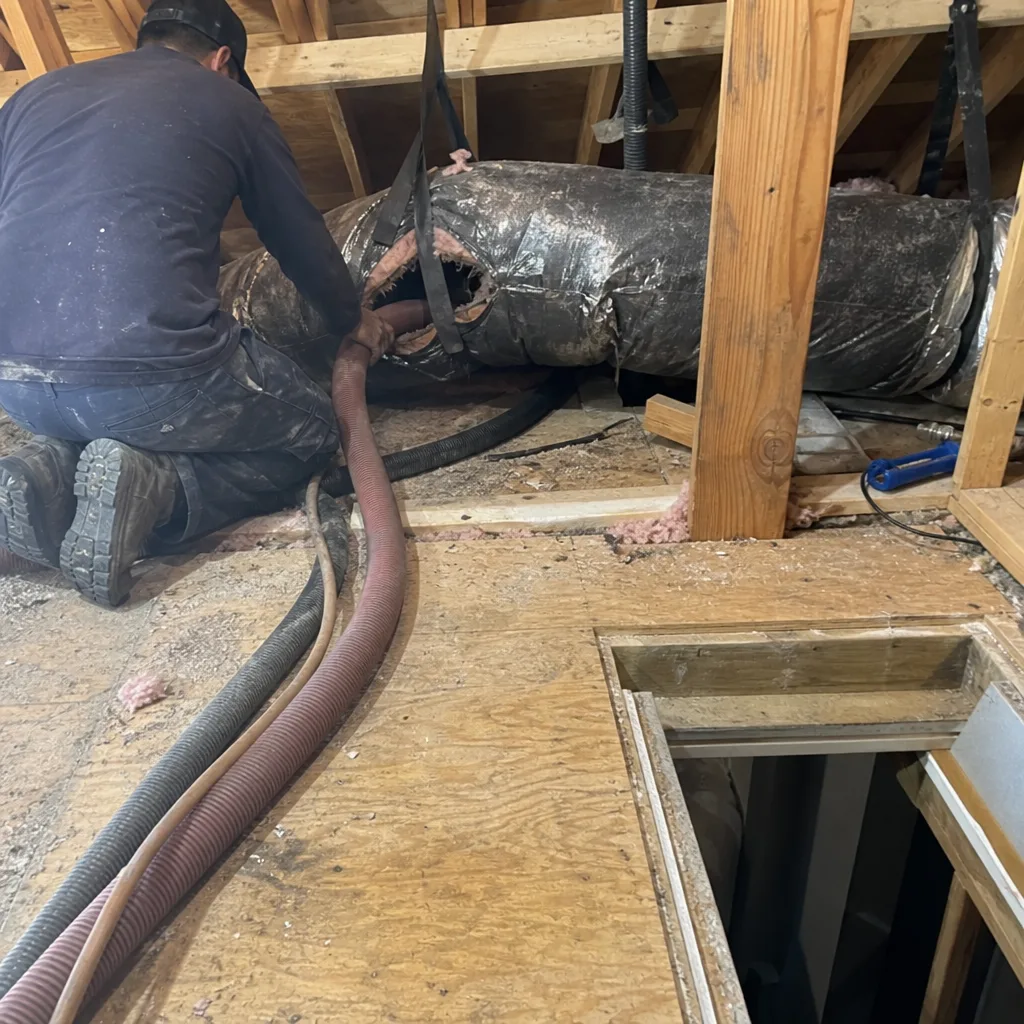 Before
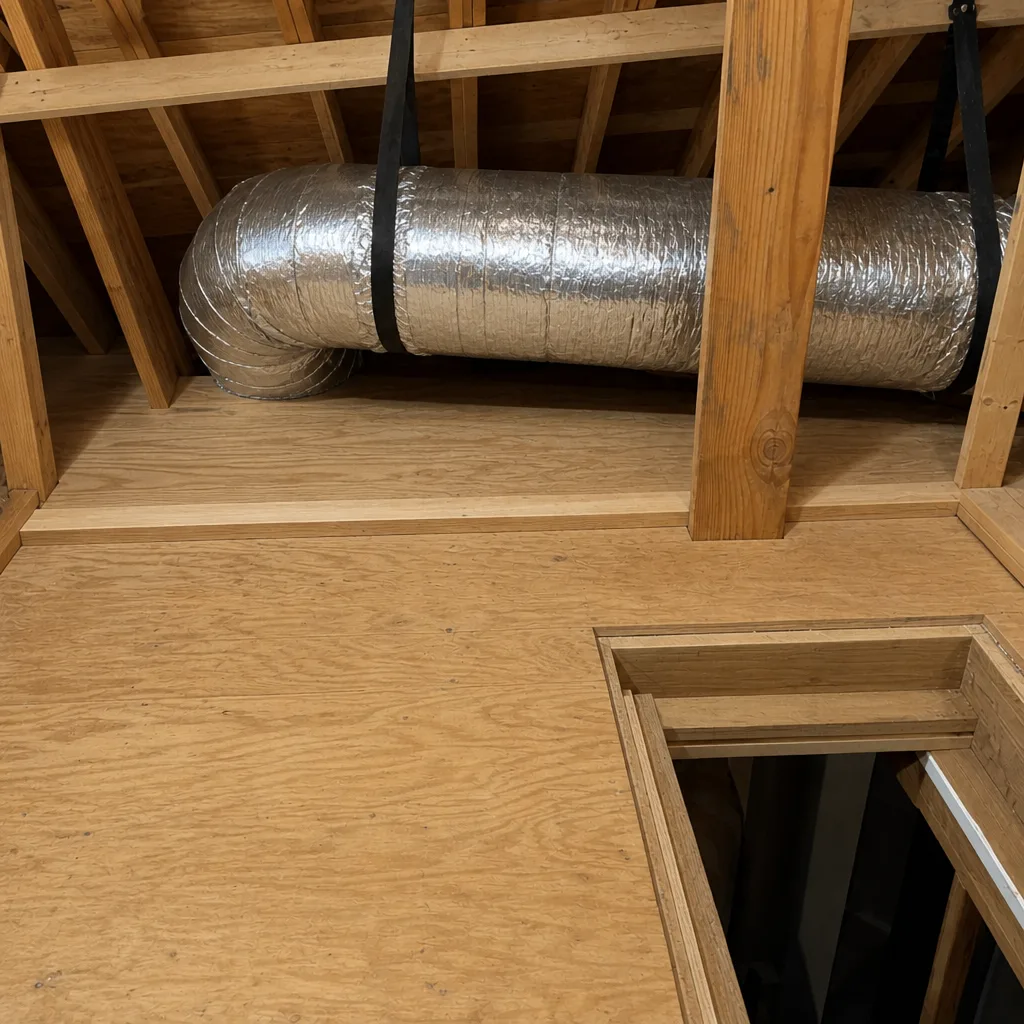 After
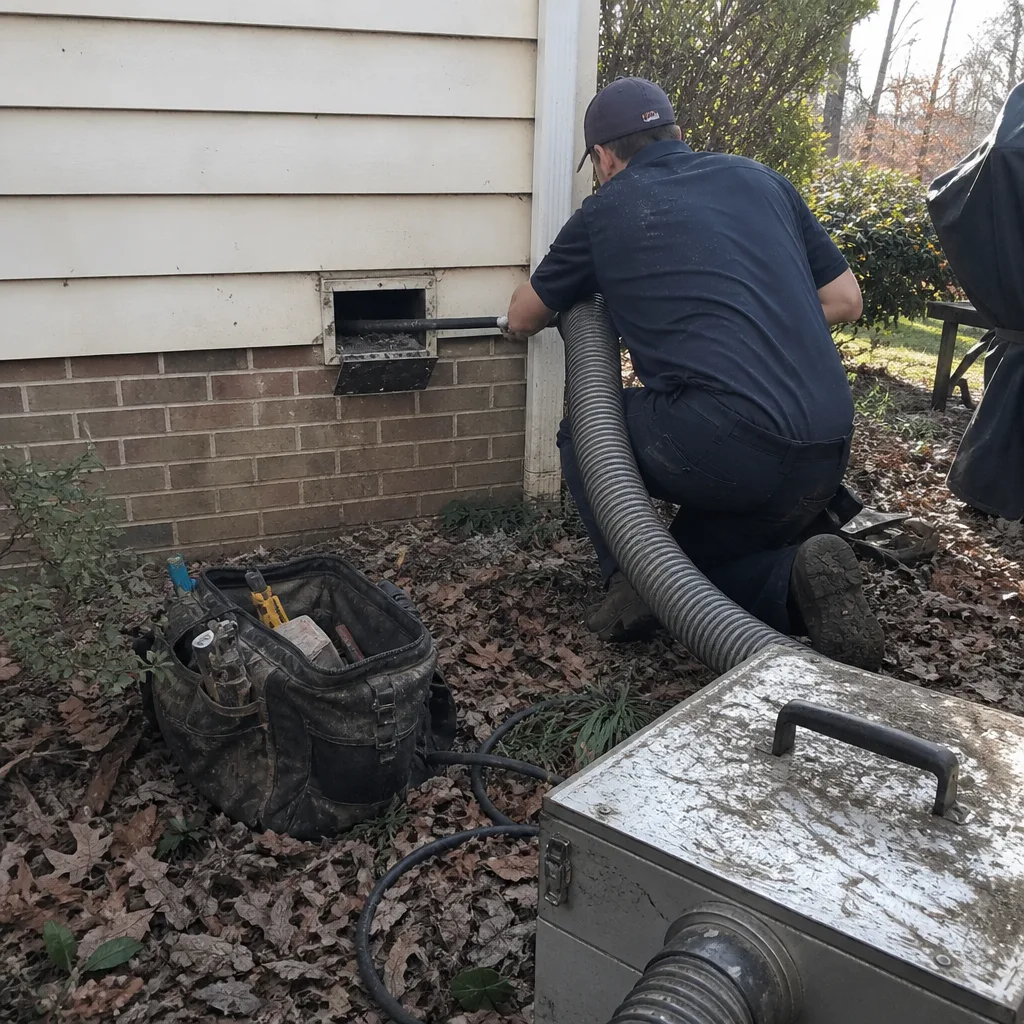 Before
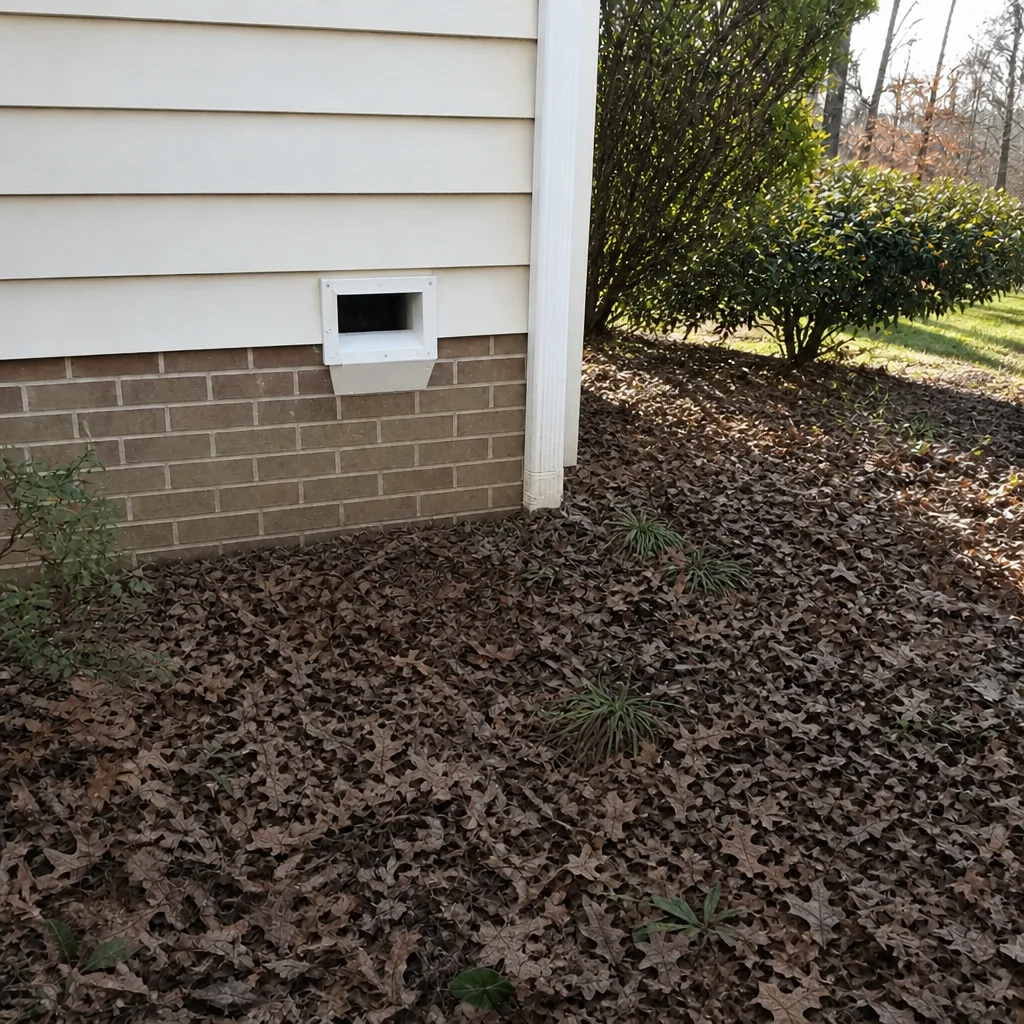 After
Common Mistakes to Avoid
- Buying a higher MERV filter to fix dust. A restrictive filter just makes the blower work harder, and it doesn’t stop the leak that’s pulling unfiltered air in. Address the source before upgrading the filter.
- Assuming a musty smell means mold. A first-startup smell is coil dust. Only the smell that persists all summer points to a moisture problem. Cleaning based on a misdiagnosis wastes money.
- Turning a room’s damper all the way closed because the room stays warm. Closing a supply run in Greensboro doesn’t send that air to other rooms, it just raises static pressure and can shorten the life of the blower. Balance is the goal, not closure.
- Treating pest contamination as a dust cleaning. Sweeping out the droppings leaves the pathogens and the entry gap in place. Pest contamination needs disinfection and repair, not just a sweep.
- Hiring a blowout cleaning with no equipment on site. A shop vac and a brush aren’t a duct cleaning system. Ask what equipment will be used before booking, and expect to hear professional names like Rotobrush or Nikro.
- Waiting until summer to schedule cleaning. The first sticky week in May is when every company in Guilford County fills up. Scheduling in early spring gets the work done before the season, not during it.
- Ignoring a disconnected run because the diagnosis feels expensive. A single disconnected supply joint in a Greensboro attic can cost far more in energy over a summer than the repair does. The gap is usually small and easy to close once it’s found.
Frequently Asked Questions
You know ducts need cleaning when dust returns within a few days of cleaning, a musty smell persists all cooling season, or a room never matches the thermostat while the system runs. A filter change alone won’t fix any of those patterns because none of them are caused by the filter. A free inspection in Greensboro can confirm it, and the written estimate keeps the price clear before anything is scheduled.
They’re the same signs but they show up faster in Greensboro because of the summer humidity and the age of much of the housing stock. Duct lining stays damp longer here, which pushes a musty smell from a few days into a full season. Return leaks into attic runs become more obvious here too because the attic gets so hot that the loss in cold air is easy to feel at the register. Call (833) 968-4577 for an exact quote, and the estimate is free.
The cheapest fix is finding the source before paying for repeated cleanings. A return leak or a filter bypass causes most recurring dust, and fixing the leak costs less than cleaning the whole system every year. We set one flat price per system based on the written estimate, so you know the total before work starts. Call (833) 968-4577 to book the inspection.
Yes, ducts should be cleaned after significant renovation because drywall dust, sawdust, and insulation fibers get pulled into the return before the filter can catch them. That dust settles in the duct lining and stays there for a year or more, feeding into every room when the fan runs. If you’ve had work done in a Greensboro home, schedule a cleaning before the next cooling season.
Most homes in Greensboro should be cleaned every three to five years, and more often after renovations, a pet addition, or a pest problem. If you’re seeing any of the warning signs in this guide, don’t wait for the calendar. Signs trump schedules. Call (833) 968-4577 for an exact quote, and the estimate is free.
It can help if the allergy symptoms track HVAC runtime rather than outdoor pollen counts. That correlation is the test. If symptoms flare only when the fan runs, indoor contamination is a real contributor. If symptoms ease indoors, filtration upgrades to something like a Honeywell media filter are often the better first step. Call (833) 968-4577 to talk through which applies to your home.
The Bottom Line
The subtle signs matter most. Dust that returns in days, a musty smell that lasts all season, a room that never heats or cools evenly, droppings or chewing on flex duct, and allergy symptoms that flare only when the fan runs. Each one points to a different part of the system, and each has a different fix. What unites them is the read: the pattern tells you where to look. If you’re noticing one or more of those patterns in your Greensboro home, an inspection with professional-grade equipment settles the question. Duct Cleaning Greensboro cleans, repairs, and treats the whole system, so the fix happens in one visit rather than a relay of contractors. Call (833) 968-4577 for a free estimate and we’ll walk through what your system is telling you.
Written by the team at Duct Cleaning Greensboro.